
Last updated November 17, 2026
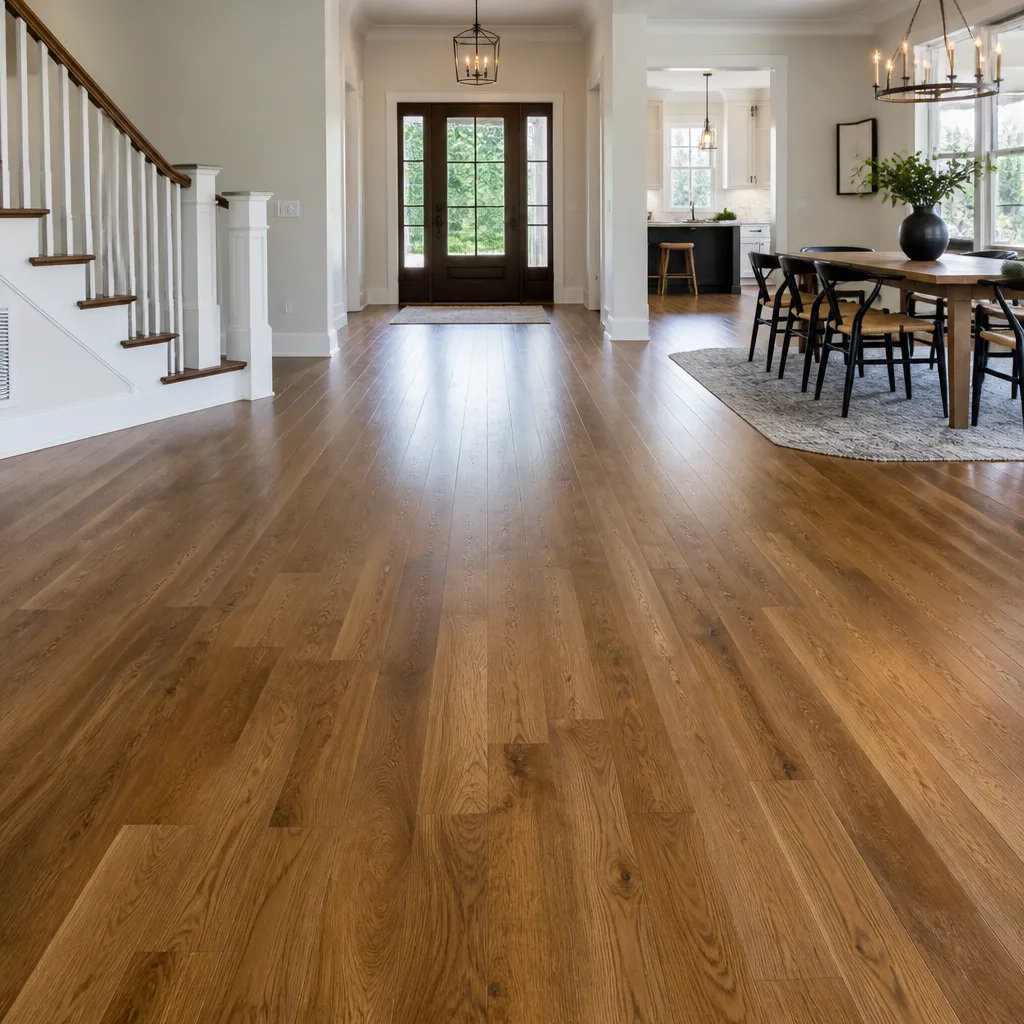 Hardwood
 Engineered hardwood
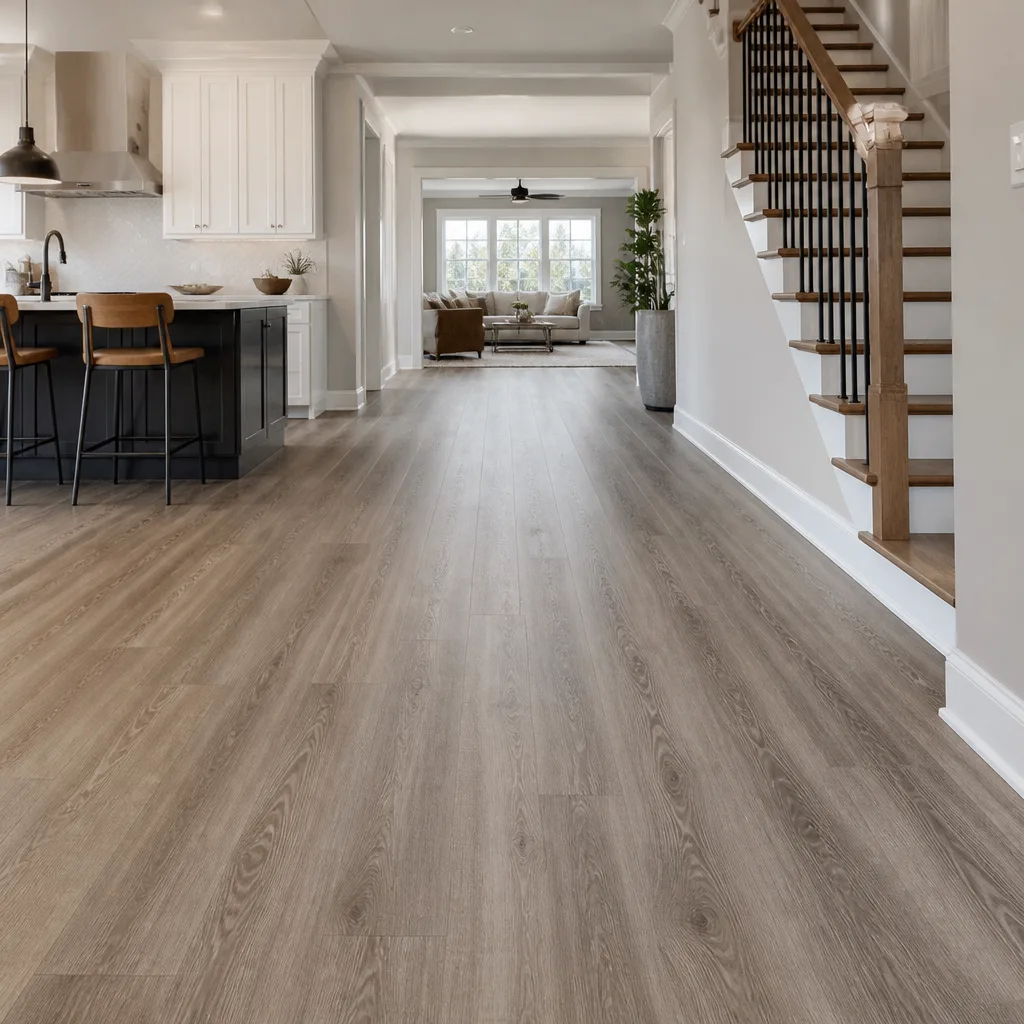 Luxury vinyl plank
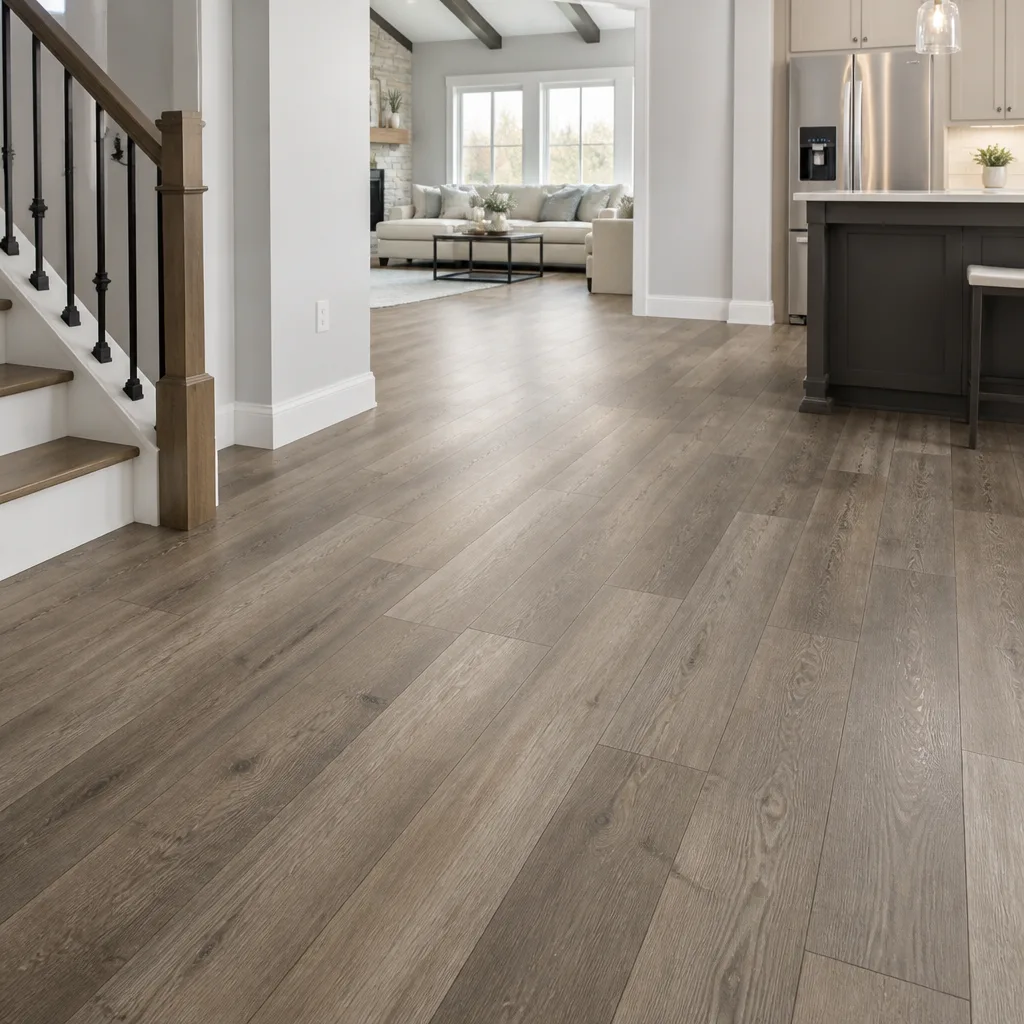 Laminate
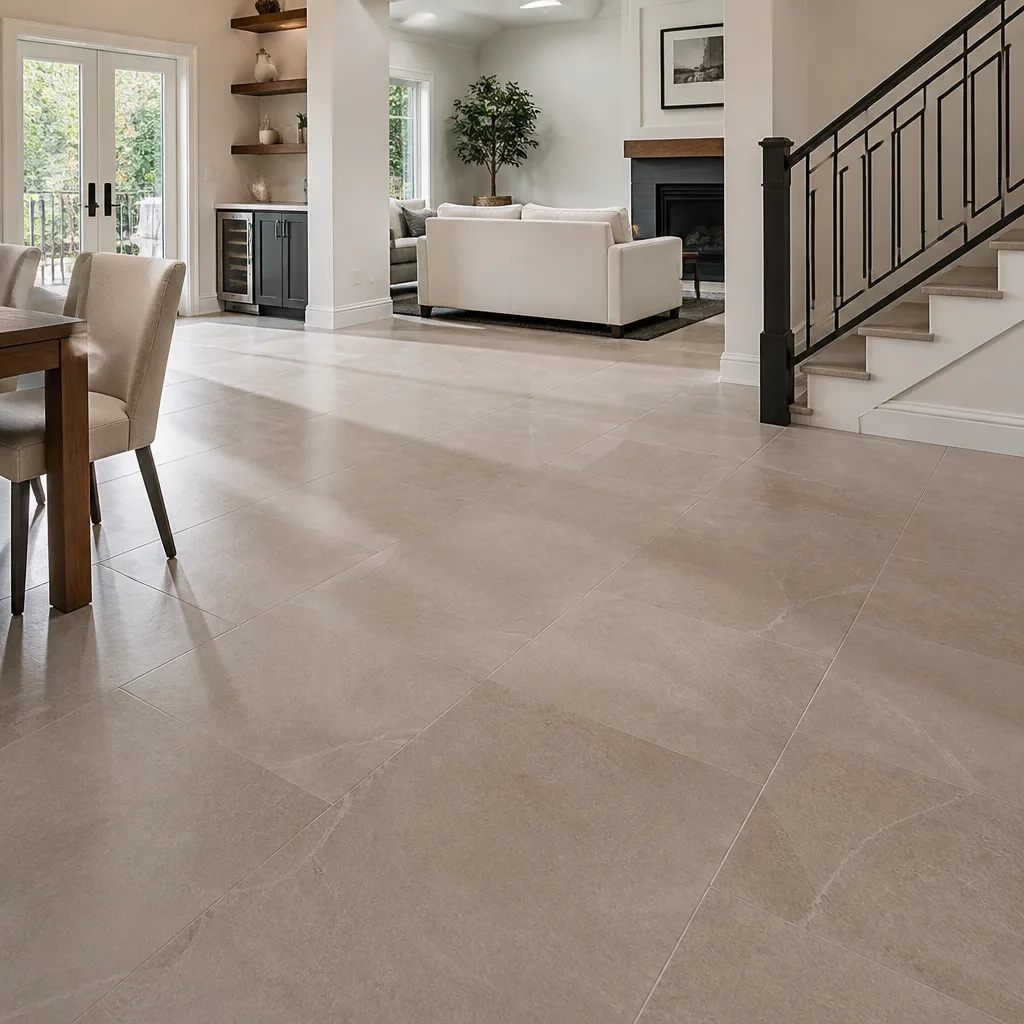 Porcelain tile
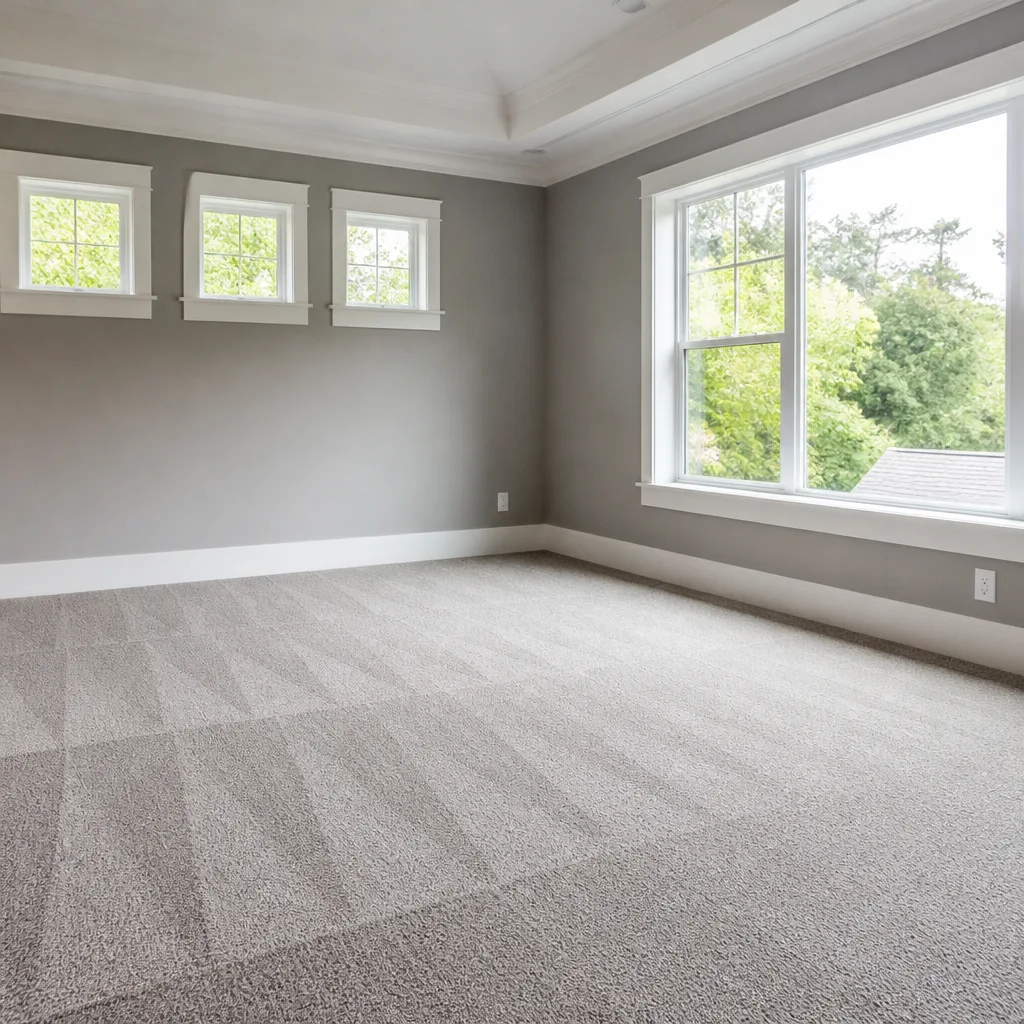 Carpet
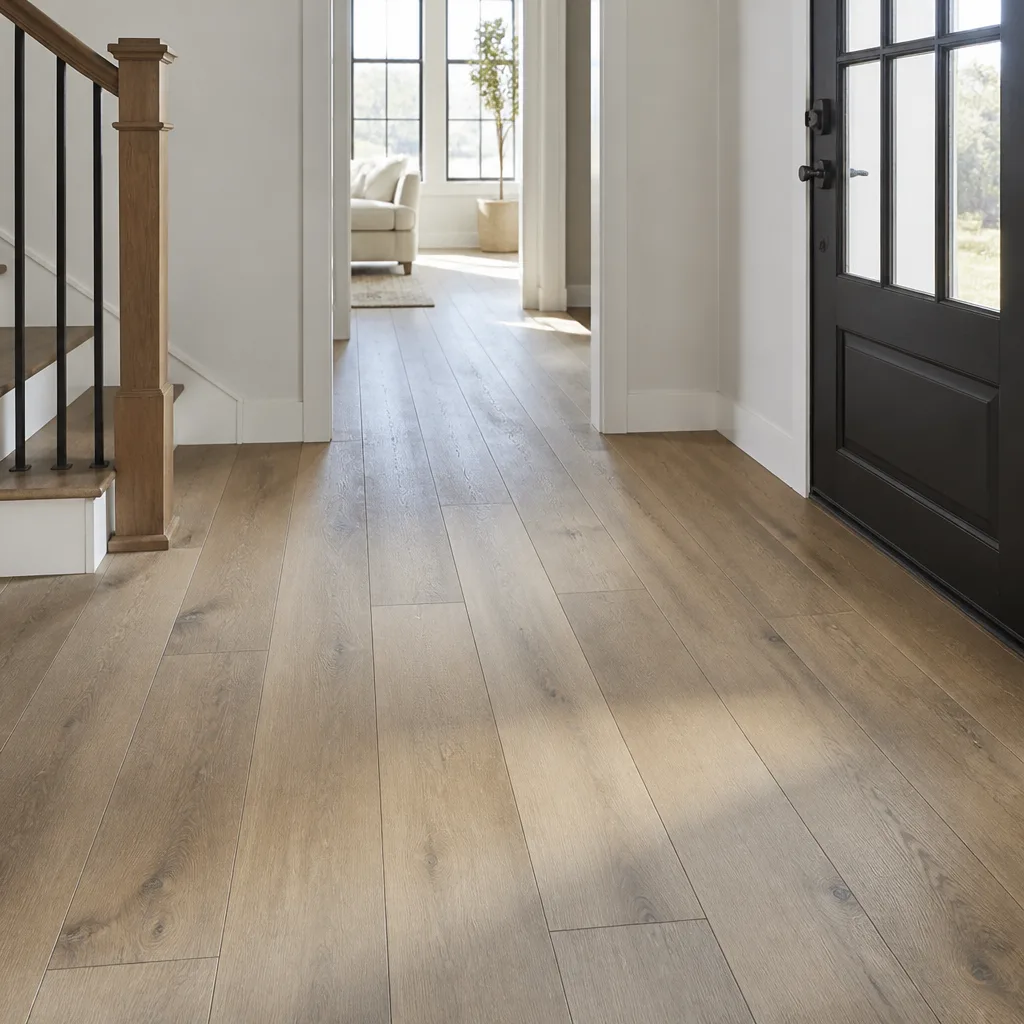 Shaw
 Mohawk
 COREtec
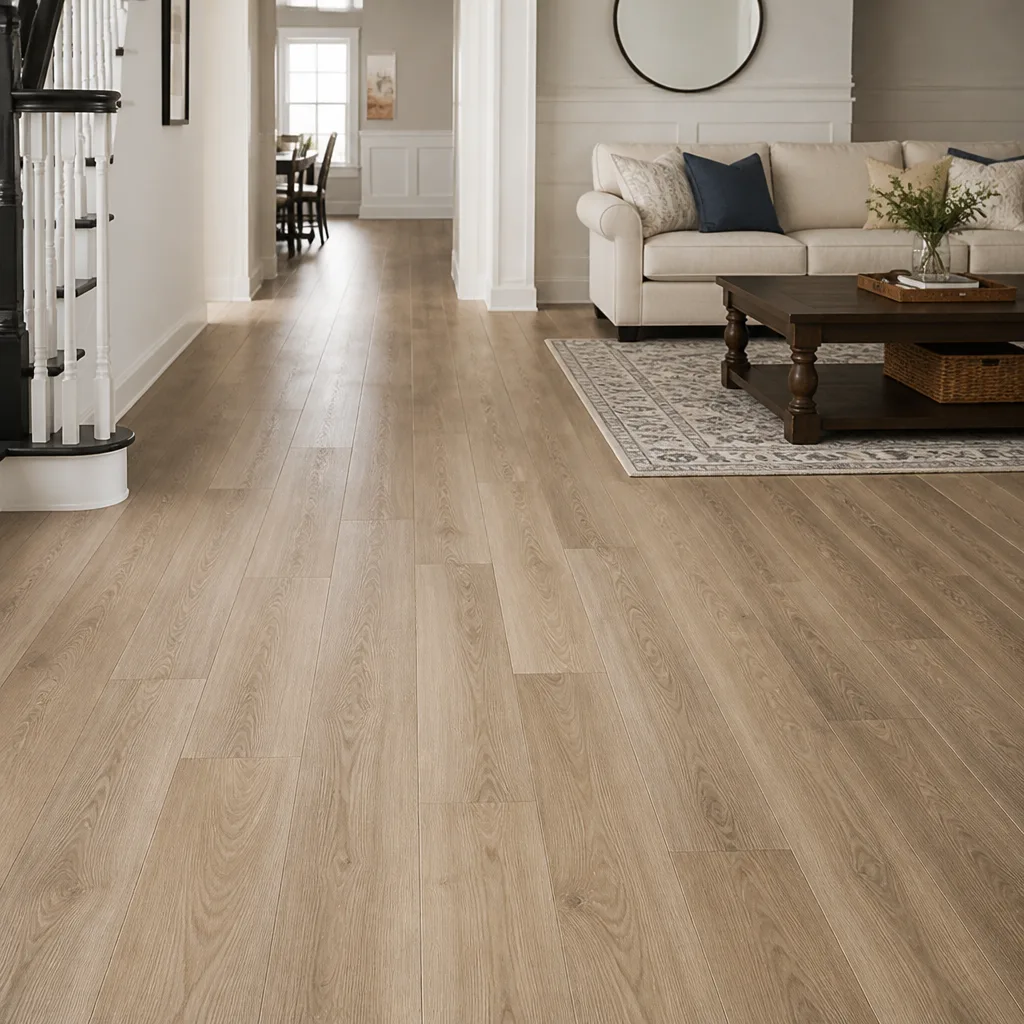 Pergo
Free in-home measure and written estimate: Shaw, Mohawk, COREtec and Pergo lines compared on your own rooms, with carpet, tile, vinyl plank, laminate and hardwood laid out side by side
Get your free estimateHow to Hire a Flooring Contractor in Henderson: A Step-by-Step Guide
Most people hire a flooring contractor the same way they hire a plumber: get three bids, pick the middle one, hope for the best. That approach works fine for a leaky faucet. It falls apart on a floor. A faucet either stops dripping or it doesn’t, and you know within a day. A floor can look perfect on the day the crew leaves and start telling you the truth six months later, when a seam lifts, a tile tents, or a plank starts to cup. The problem you’ll be chasing then almost never comes from the product. It comes from what happened underneath it, and from who was actually standing in your house holding the trowel. This guide walks you through how to hire a flooring contractor in Henderson, Nevada the way a tradesperson would vet one: by asking technical questions first and trusting a license lookup second.
Quick Answer
To hire a flooring contractor in Henderson, verify the contractor holds an active Nevada C-16 flooring license with no unresolved complaints, confirm bond and workers’ comp coverage, then interview them with specific technical questions about moisture testing, acclimation, subfloor flatness, and the exact adhesive or underlayment they’ll use. A legitimate estimate is a written document with product names, square footages, prep line items, and a total. If a contractor won’t put those details in writing or won’t walk the job before pricing it, walk away.
Styles & brands we work with
- Hardwood
- Engineered hardwood
- Luxury vinyl plank
- Laminate
- Porcelain tile
- Carpet
- Shaw
- Mohawk
- COREtec
- Pergo
Table of Contents
- How Do You Verify a Flooring Contractor’s License in Nevada?
- What to Check Beyond the License Number
- The Five Technical Questions That Separate Specialists from Generalists
- Why Big-Box Installation Programs Complicate Accountability
- What a Real Estimate Document Contains
- Red Flags Specific to the Henderson Market
- Why Acclimation and Moisture Matter More in Henderson’s Climate
- Common Mistakes to Avoid
How Do You Verify a Flooring Contractor’s License in Nevada?
Nevada requires flooring contractors to hold a C-16 license issued by the Nevada State Contractors Board. You verify it by pulling the license number up in the Board’s online database, and you verify it yourself rather than accepting a screenshot or a number read over the phone. The lookup takes about two minutes and tells you far more than whether the license is real.
Here’s what to do with that two minutes, in order:
- Confirm the license class. The C-16 classification covers flooring. A general contractor’s license (class B) or a handyman exemption doesn’t carry the same specialty scope. If the person quoting your job hand-writes “licensed and insured” on a business card but can’t tell you the class, that’s your first answer.
- Check the license status. Active, suspended, and expired all show up in the database. A suspended license means the Board has taken action, and you want to know why before you let that contractor into your home.
- Look at the qualifying person. Nevada licenses are held by a business entity but qualified by an individual who passed the trade exam and carries the responsibility. Note whether that qualifying person is the same person who will be on your job site. In Henderson, plenty of active C-16 licenses belong to one-person operations that subcontract every installation to whoever is available that week.
- Read the complaint history. The database shows disciplinary actions and complaint records. One resolved complaint from years ago is not a dealbreaker. A pattern of unresolved complaints about workmanship or abandoned jobs is.
- Confirm the business name matches. The name on the estimate, the name on the license, and the name on the contract should all match. If you’re quoted by “ABC Flooring” but the license belongs to “XYZ Installations LLC,” ask why in writing.
This step is not optional and it’s not rude. Any dedicated installer in Henderson expects it and will hand you the number before you ask. The contractors worth hiring are the ones who seem pleased you checked.
What to Check Beyond the License Number
An active license number is a floor, not a ceiling. Three things sit underneath it that matter just as much on the day something goes wrong: bond status, workers’ compensation coverage, and the gap between the licensed entity and the actual crew. None of these are visible on the license lookup alone, and all of them are things you can ask about directly.
Bond status. Nevada requires licensed contractors to maintain a surety bond. It exists to give homeowners a recovery path if a contractor takes a deposit and disappears or does defective work and won’t fix it. Ask for the bond company’s name and confirm it’s current. A contractor who can’t answer that question plainly has either never been asked or doesn’t want you to know the answer.
Workers’ compensation coverage. If a worker is injured in your home and the contractor doesn’t carry workers’ comp, the exposure can land on your homeowner’s policy. This is one of the quietest risks in home improvement and one of the easiest to screen out. Ask for a certificate of insurance and check that the policy is active, not just that a certificate exists.
Who actually shows up. This is the part Henderson homeowners get tripped up on. The license holder, the estimator, and the installers can all be three different people, and in a subcontracting model, the crew on your floor may be working for a company you’ve never heard of. There’s nothing inherently wrong with a licensed contractor bringing in installation crews, but you deserve to know the arrangement before you sign. Ask directly: “Will the people installing my floor be your employees or a subcontractor, and who is responsible if the install has a problem in six months?” The answer tells you whether you have one point of accountability or a relay race.
We work in Henderson with the same question in mind: whatever the arrangement, one name should answer for the finished floor. That’s the practical case for a single-source installer who handles multiple flooring types in one home rather than handing you off between trades.
The Five Technical Questions That Separate Specialists from Generalists
This is the core of the guide, because this is where you separate a flooring specialist from a general handyman who also installs floors. Administrative questions (Are you licensed? Are you insured?) are necessary but they’re the easy part. The technical questions are the ones a real installer answers without hedging, because they’re the questions that person confronts on every job. Ask these five, and listen for specifics.
- “How will you test my slab for moisture before installation?” Henderson is a desert, and homeowners reasonably assume dry climate means dry slab. It doesn’t work that way. Concrete holds moisture from the ground below and from the mix itself, and a slab can read damp even in the driest part of the year. A specialist names the test, says roughly when in the process it happens, and knows that the result drives the choice of adhesive or vapor retarder. A generalist says “it’s a desert, you’ll be fine,” and that’s your cue to keep looking.
- “What’s your acclimation protocol, and how does it change for my product?” Solid hardwood, engineered wood, and rigid-core luxury vinyl all want different treatment before they go down. The right answer isn’t a single number of days. The right answer is that acclimation depends on the product and the home, that the product’s own instructions set the specifics, and that the estimate will state what’s planned. Anyone who skips acclimation entirely is gambling with your floor, and you’ll be the one collecting on the bet.
- “How will you check floor flatness, and what do you do if it’s out of tolerance?” Floors are only as good as the subfloor under them. Tile needs a flat surface to avoid cracked grout and hollow spots; LVP needs it to avoid telegraphing and clicking seams. A specialist talks about checking flatness, correcting low or high spots, and how that prep gets priced. Notice whether prep line items appear on the estimate before you ask, or only after. The former tells you they plan for reality; the latter tells you they plan for a best case.
- “Which adhesive or underlayment are you using, specifically?” Not “the standard stuff.” The specific product, named on the estimate, matched to the product going down. Adhesive choice is one of the biggest drivers of a floor failing later, and it’s also one of the easiest places to cut cost invisibly. A contractor who can’t name it either hasn’t planned the job yet or doesn’t want you comparing.
- “How does your installation keep the manufacturer’s warranty intact?” Manufacturers attach conditions to their coverage: installation methods, prep standards, and product-specific requirements. A specialist knows this and installs to keep coverage valid. They won’t promise you what the warranty says (that’s between you and the manufacturer), but they’ll tell you the install is done to the manufacturer’s written instructions. A generalist shrugs at the question because they’ve never read the instructions.
Here’s the tell that runs through all five: a specialist gives you a specific answer and offers the document that backs it up. A generalist gives you a confident general answer and changes the subject to price. Henderson homeowners who screen on these questions report far fewer post-install headaches, and it’s not mysterious. The questions are technical because the trade is technical. Hiring a Henderson Flooring Installation contractor who can answer them is the whole game.
Why Big-Box Installation Programs Complicate Accountability
A big-box store’s installation program isn’t a crew. It’s a layer of scheduling and paperwork between you and a subcontractor, and understanding how that layer works changes how you read the price and the promise. The store sells you the product and books the install. The install itself goes to a subcontractor, sometimes further down to another subcontractor, and the number of people who can move a job along without being responsible for the final result goes up with every step.
That arrangement has real advantages. The product and labor often sit on one invoice, and the store’s brand gives you a complaint desk to call. But the layer in the middle means that when something goes wrong after installation, sorting out who owns the fix takes time, and time is the enemy of a flooring problem. A seam that’s lifting turns into a bigger repair the longer it’s walked on. A tile that’s cracking because the subfloor wasn’t flat enough starts a conversation about whether the issue was “defect” or “installation,” and the answer decides who pays. In a tiered model, that conversation has more participants and more reasons to point at each other.
None of this means avoid the store. It means know what you’re buying: a product and a referral, not a dedicated installer who answered to you on the walkthrough and to you again at pickup. If you go the big-box route, ask the two questions that matter. Who is the actual installing company, and is that company licensed and bonded in Nevada? Get both answers in writing. If the installing company is a name you’ve never seen, spend the two minutes on the license lookup before the crew shows up.
The alternative is taking the opposite path and working directly with a flooring specialist. One name on the estimate, one name on the contract, one name to call if a plank lifts in the spring. The trade-off is that you’re not getting the generalist conveniences, and that’s the point. The right floor, installed the right way, is a narrower promise than a store can make, and a better one to hold someone to.
What a Real Estimate Document Contains
A real flooring estimate in Henderson is a written document that another person could use to install your floor without ever calling you. That’s the standard. If the document leaves anything open, you’ll be the one filling it in after the crew leaves. A quote on a napkin isn’t a lower price; it’s an unscheduled negotiation you’re about to have with your wallet.
Demand these line items before you sign anything:
- Product, by brand and line. Not “tile” or “carpet.” The brand and the specific line. If you’ve already chosen your floor, this line should match exactly what you chose. A contractor who substitutes a product you didn’t pick is telling you whose preference comes first.
- Square footage for each room, measured. Not a total pulled from a walkthrough pace-off. Room-by-room numbers let you check the math and catch the padding that shows up as a vague 10% “waste allowance” on every job.
- Prep work as separate lines. Moisture mitigation, self-leveler, patching, demo, haul-away, and floor protection should each appear with a price. Prep is where a floor succeeds or fails, and it should be visible, not buried in a lump sum.
- The specific adhesive, mortar, or underlayment. By name. The product that goes under the floor is part of the assembly and should be quoted like it.
- Trim work terms. Who removes baseboard, who reinstalls it, whether shoe molding is included, and whether any trim damage is on you or the contractor.
- Scope exclusions. What the contractor is explicitly not doing: furniture moving, appliance disconnection, threshold work, and anything in the closet you didn’t point out on the walkthrough.
- Payment schedule tied to milestones. A deposit is normal. A large payment before the work starts isn’t, and neither is a full payment before you’ve walked the finished floor.
- Written warranty language separating labor from product. Labor and product coverage are two different promises from two different sources. They should be stated separately and clearly.
If a contractor resists putting adhesive or prep on the estimate, ask why. There’s occasionally a legitimate answer (a product choice genuinely pending a measurement). Usually not. A dedicated installer writes the details down because that’s what they need to do the job, not because you asked.
Red Flags Specific to the Henderson Market
Henderson has a large and active flooring market, and some of the habits that show up here track the way the city’s housing stock is laid out. Newer construction in neighborhoods like Green Valley and Anthem puts lots of homes on concrete slab, which is exactly the environment where moisture testing and subfloor prep get skipped most often. Older homes in downtown Henderson and around Water Street tend to have surfaces that have been covered and recovered, which makes measurement and prep harder and more important. Watch for these specific red flags:
- Quoting without a visit. A flooring price given over the phone or in a text, sight unseen, isn’t an estimate. It’s a number. Slab condition, floor flatness, existing floor type, and room measurements all change the price, and none of them are knowable from a photo.
- Can’t name the adhesive or underlayment. We covered this in the technical questions, but it’s worth flagging on its own because it’s the single most reliable sign of a contractor planning to buy the cheapest bucket the supply house has.
- Pushing a product you haven’t selected. If you’ve done the work of choosing Karndean or a specific Daltile tile, an installer who steers you to an unfamiliar house brand is serving a different priority than yours. A brand-agnostic installer works with what you’ve chosen or explains why a different product fits your space better. The key word is explains.
- Wall-to-wall “waste allowance” on the estimate. Some waste allowance is normal and necessary. A suspiciously round, large percentage on every room, on every job, is a padding habit.
- No mention of moisture testing on a slab home. In Henderson, most homes are on slab. Any proposal that jumps straight from product to price on a slab, with no moisture test planned and no vapor discussion, is skipping the part that most often fails.
- Substrate conversation that stops at “the concrete looks fine.” Subfloor flatness is measurable. “Looks fine” means nobody measured.
- License, bond, or insurance answers that stay vague. Any version of “we’re all taken care of” without a number, a company name, or a certificate in hand is a riddle, not a credential.
None of these is a reason on its own to walk away, though three together is a pattern. When you see them, ask the direct question and see how it lands. The contractors who answer well are the ones worth keeping.
Why Acclimation and Moisture Matter More in Henderson’s Climate
Henderson’s desert climate gets a reputation for being friendly to flooring materials, and that reputation is half true. There’s very little of the seasonal humidity swing that causes problems in wetter parts of the country, which helps solid and engineered wood stay stable across the year. The half that’s not true is the part homeowners miss: dry air doesn’t mean dry slab, and a concrete slab in a desert home still holds moisture from below and from its own cure. Slab moisture is the failure mode that shows up most often here, and it’s the one most often skipped in an estimate.
Interior humidity is the second part of the climate picture. In Henderson, the interiors of air-conditioned homes sit in a fairly narrow humidity band most of the year, but homes get close to the outdoor dry air when they’re empty or when HVAC runs less. Solid hardwood in particular wants a stable environment before it’s installed and after. A specialist plans acclimation around the specific product and the specific home, says so on the estimate, and doesn’t count it as a checkbox.
This is also where hard-surface choices pull apart in interesting ways. Carpets in dry climates build static and collect dust differently than in humid areas, and a good carpet installation starts with surface prep that removes grit and levels the subfloor so the pad doesn’t telegraph every ridge. Tile has its own discipline: it needs a flat, sound substrate to avoid cracked grout and hollow spots, and a quality tile flooring installation in Henderson always leads with prep, not with the tile. Rigid-core LVP products from makers like Karndean or Armstrong are water-resistant, not waterproof, and standing water from a slow leak or a spilled bucket still has to be dealt with. The point in all three cases is the same: the climate shortens the conversation about acclimation and lengthens the conversation about moisture testing, flatness, and prep.
Common Mistakes to Avoid
- Hiring on price alone. The lowest bid wins when prep is the easiest thing to skip, and prep is where the floor fails later. Compare bids line by line, not bottom line to bottom line, and look at what the cheaper one left out.
- Not verifying the license class. A general contractor’s license isn’t a flooring specialty license, and neither is a handyman exemption. Pull the number up yourself and confirm the C-16 classification.
- Accepting a phone or text estimate. A floor is priced after the slab gets looked at, the rooms get measured, and the existing floor gets inspected. A number without a visit is a number without a plan.
- Skipping the moisture conversation on a slab home. In Henderson, most homes are on slab, and this is the single most common cause of a floor failing months down the road. If nobody has tested the slab, the project hasn’t been thought through.
- Not asking who actually installs. The license holder and the crew on your floor are not always the same people. Ask about workers’ comp, bond, and the actual installing arrangement, and get the answer in writing.
- Choosing a product before understanding the subfloor. A floor and a subfloor have to be designed together. Choosing a plank before knowing the flatness and moisture of the slab behind it can force the installer into compromises that cost more later.
- Signing a contract with no prep line items. Prep listed as a lump sum or missing entirely is prep that will get negotiated later at the moment when you have the least leverage.
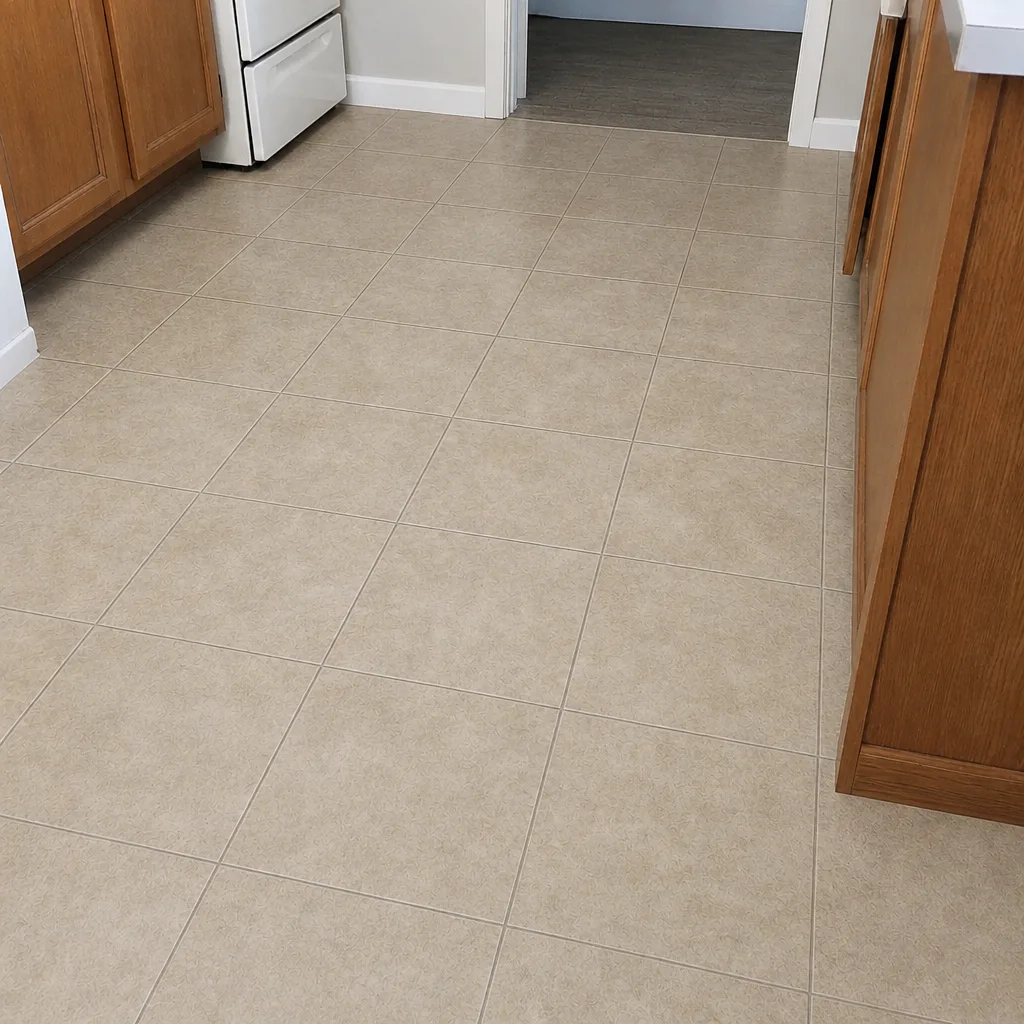
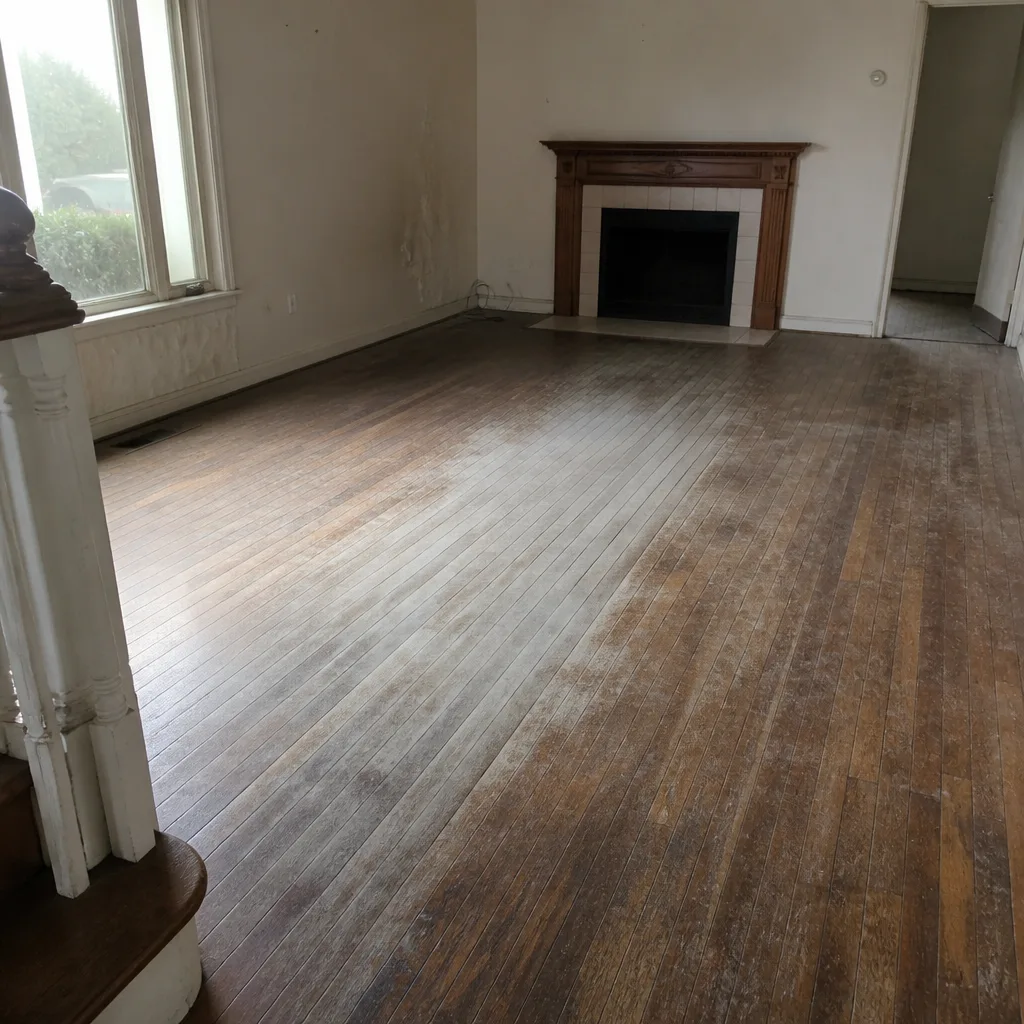
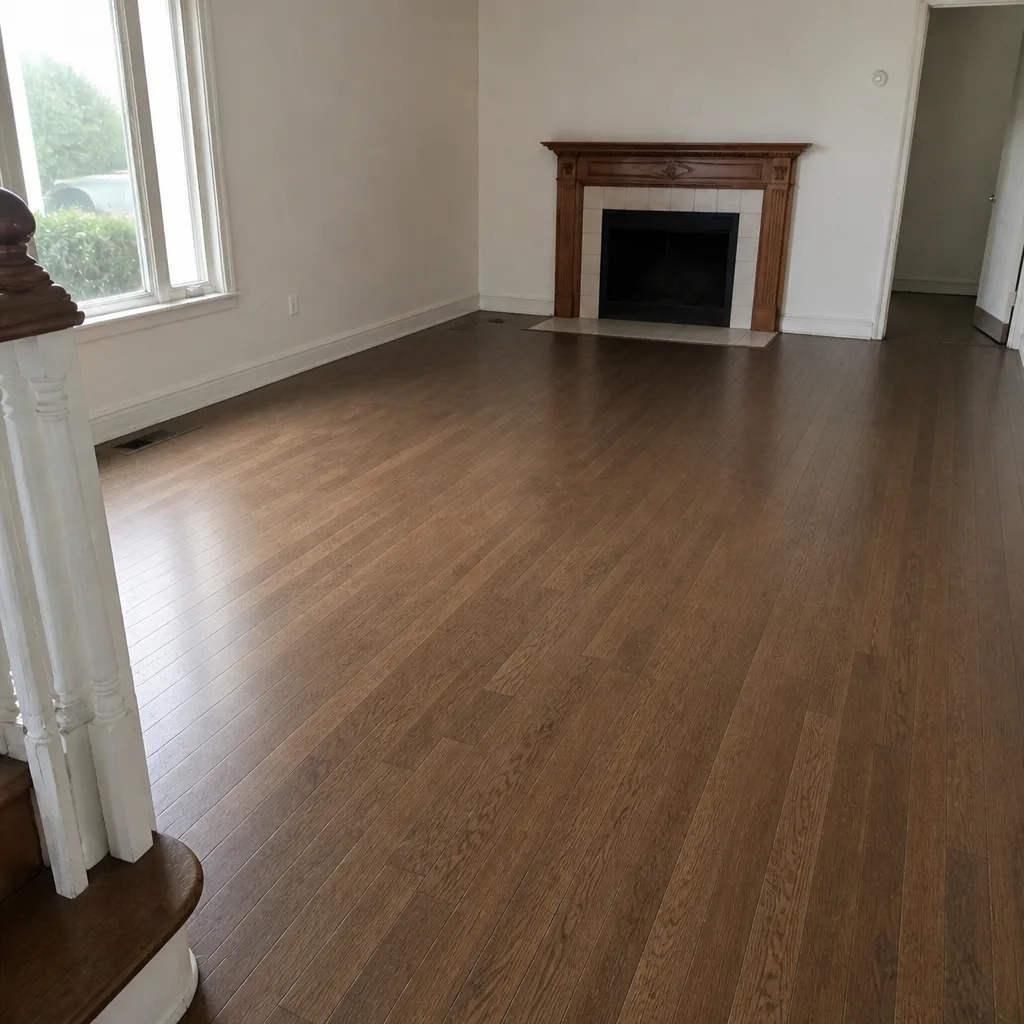
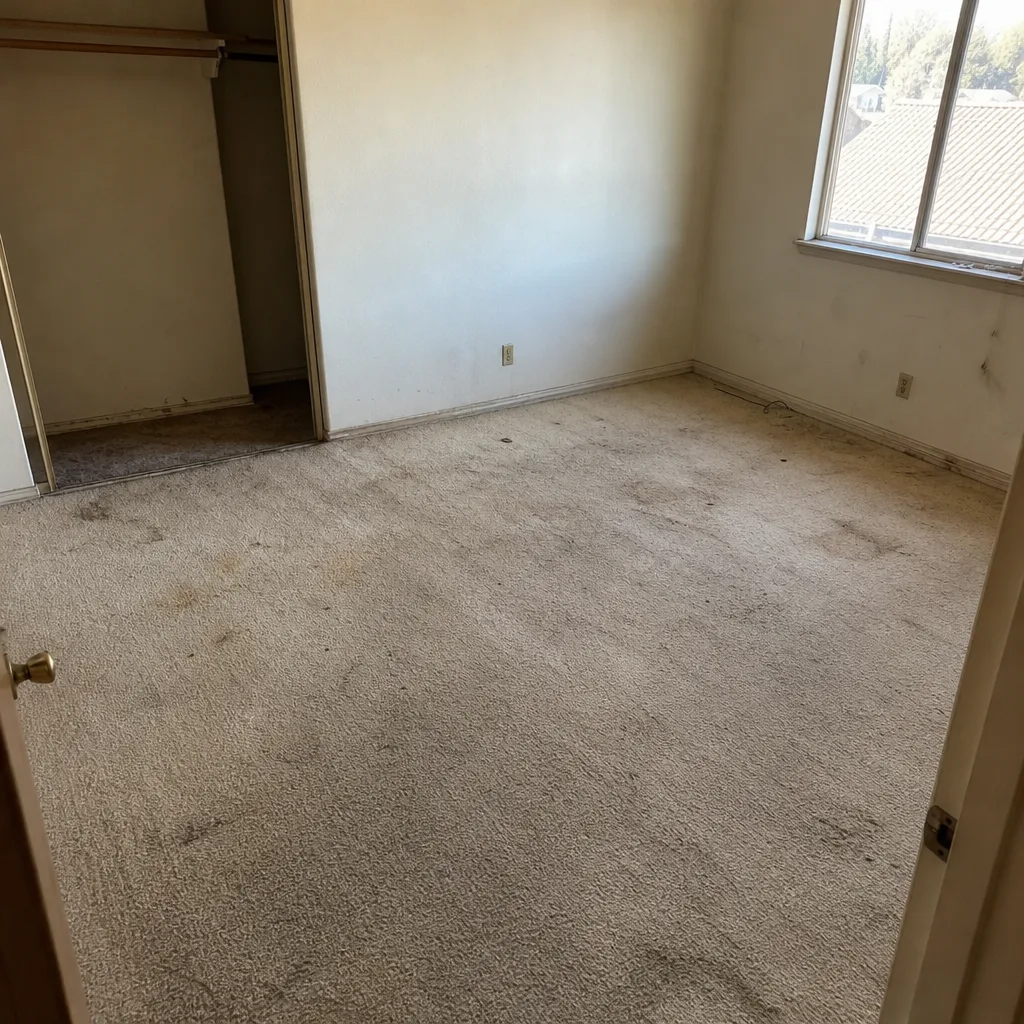
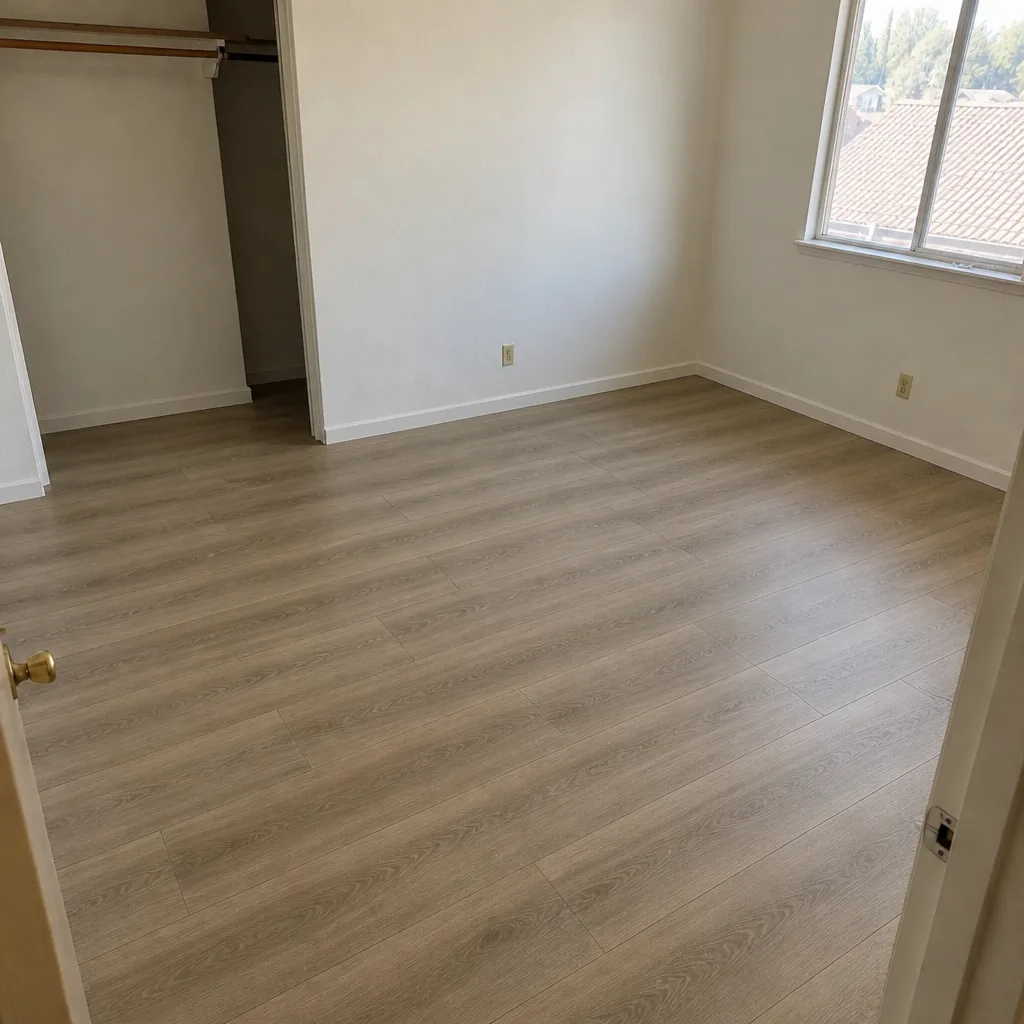
See the difference
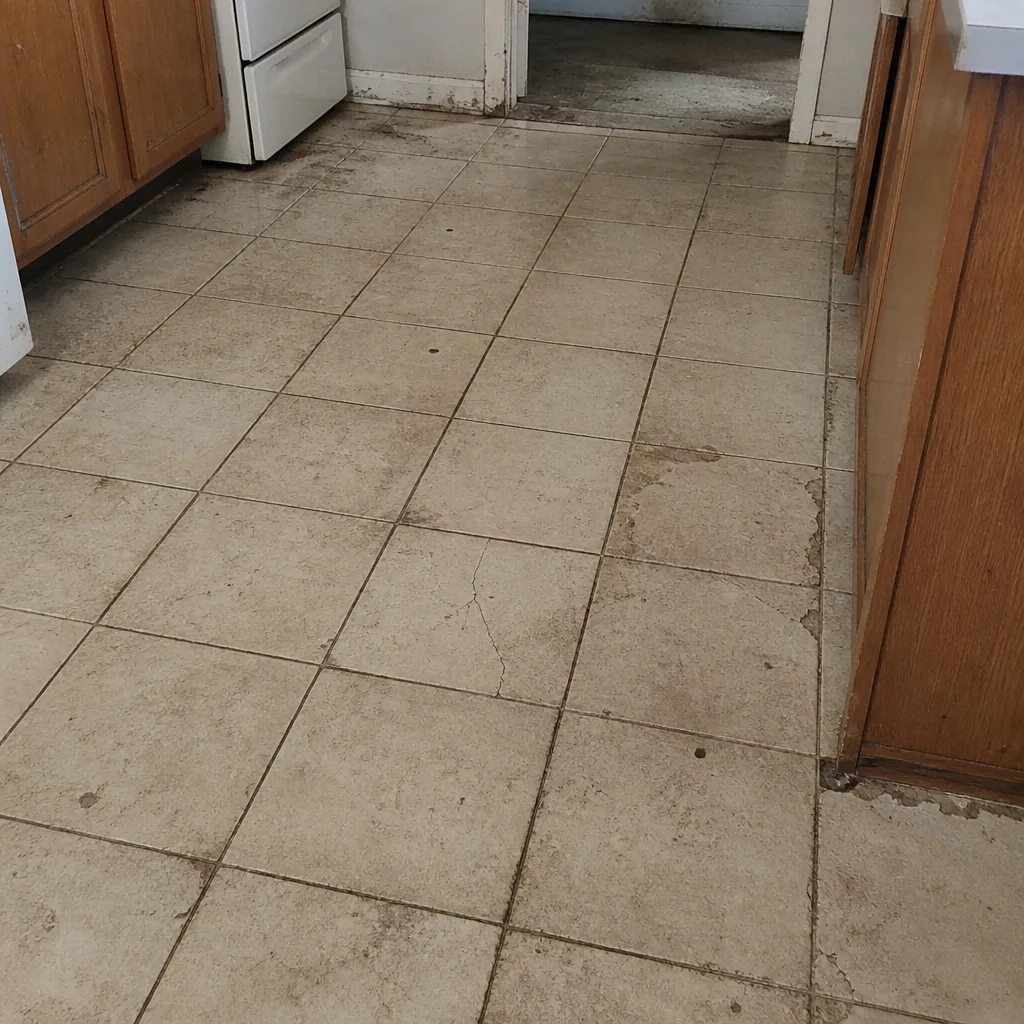 Before
 After
 Before
 After
 Before
 After
When to Call a Professional
Some flooring projects genuinely need a licensed specialist. A slab home with no history of moisture testing, an existing floor that’s lifting or cupping at the seams, a subfloor that feels out of level underfoot, tile that crackles hollow when you tap it, and any job involving a brand you haven’t worked with before all belong in that category. Hardwood refinishing is its own case: not every floor can be refinished, and whether yours can depends on the thickness of the wood and its condition, which gets checked at the estimate visit. If you’ve had a floor fail once, hiring the original installer back isn’t a plan. The estimate is the low-cost step: bring in someone who can walk the job, test the slab, measure the rooms, and put a real number in writing. Henderson Flooring Installation offers free estimates in Henderson. Call (844) 460-4481. We answer 24/7. Fast dispatch from 7am to 7pm, Sunday through Friday.
Frequently Asked Questions
Yes. Nevada requires flooring contractors to hold an active C-16 classification license issued by the Nevada State Contractors Board. Verify it yourself through the Board’s database, check the status, and confirm that the business name on the license matches the name on your estimate and contract. A general contractor’s license or a handyman exemption is not the same thing.
Go to the Nevada State Contractors Board website, enter the license number or business name, and read the full record. The record shows license class, status, and complaint history. Confirm the C-16 classification, check that the status reads active rather than suspended, and review complaints for patterns, not isolated items. Call (844) 460-4481 for an exact quote on your project; estimates are free.
Pricing in Henderson depends on square footage, the product you choose, the condition of the subfloor, and the amount of prep the job requires. The reliable number is the written estimate, which sets the price for the job. Get itemized bids with prep lines, and don’t compare bids without comparing what’s included. Call (844) 460-4481 to schedule a free estimate; the written quote sets the final price.
A flooring specialist installs floors exclusively and can answer technical questions about moisture testing, acclimation, subfloor flatness, and adhesive selection without hedging. A generalist takes flooring jobs alongside other trades and often skips those steps because they aren’t routine for them. Ask the five technical questions from this guide. The difference shows up in the answers.
The store sells the product and books the install, and the installation itself is performed by a subcontracted crew. That model has real conveniences, but the layer between you and the crew adds people to the accountability chain if something goes wrong later. If you go that route, find out who the installing company is and verify their Nevada license. With a direct-hire specialist, one name answers for the floor.
Yes, you should expect it on any slab home, which is most of Henderson. A dry climate does not mean a dry slab. Concrete holds moisture from below and from its own cure, and the test result drives the choice of adhesive or vapor retarder. If your proposal skips moisture testing, ask why. Call (844) 460-4481 to schedule a free walkthrough.
The Bottom Line
Hiring a flooring contractor in Henderson is a technical vetting process wearing the clothes of an administrative one. Verify the C-16 license, check the bond and workers’ comp coverage, and confirm who actually shows up to install. Then ask the five technical questions: moisture testing, acclimation, subfloor flatness, adhesive, and warranty compliance. Demand an itemized written estimate with prep as line items, and treat red flags like phone quotes and unnamed adhesives as the pattern they are. If the person you’re considering installs what you’ve already chosen, from trusted brands like Mannington, Armstrong, Daltile, or Karndean, and answers the technical questions plainly, you’ve found the right fit.
If you’d like a second set of eyes on your project, or a floor installed by someone fluent in the product you’ve already chosen, we’d be glad to walk your job. We bring Shaw, Mohawk, COREtec, Pergo, LifeProof, Mannington, Armstrong, Daltile, and Karndean to a dedicated Henderson flooring practice, and our technicians have up to 9 years of experience. If your existing floors are worn but structurally sound, hardwood refinishing is a standalone service we handle to bring your floors back to their original finish. One installer, one accountability, for carpet, tile, and hardwood under one roof not as a sales pitch but as a way to get the job done right.
Call (844) 460-4481 for a free estimate. We answer 24/7. Fast dispatch from 7am to 7pm, Sunday through Friday. Hardwood refinishing, tile, and carpet under one installer’s name. Written quotes, upfront pricing, and no surprises after the crew leaves.
Written by the team at Henderson Flooring Installation.