
Last updated November 17, 2026
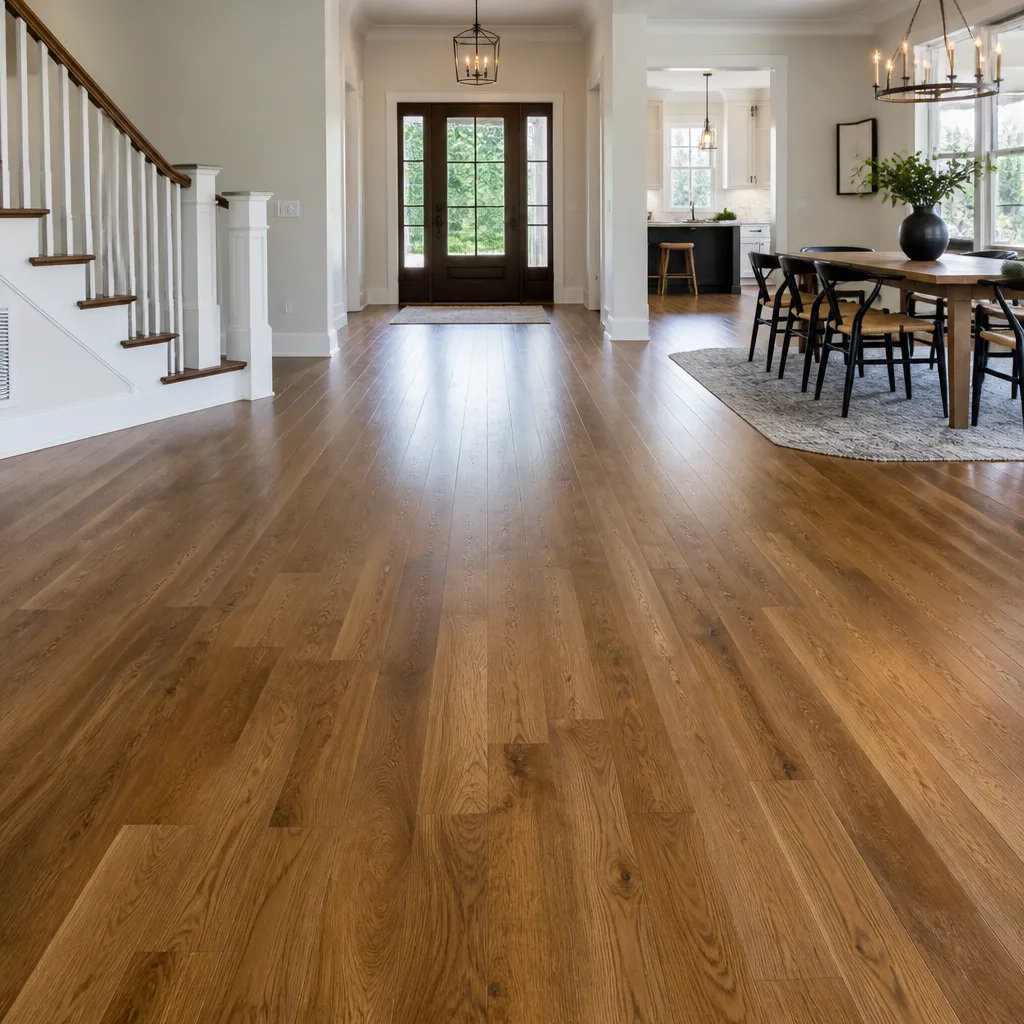 Hardwood
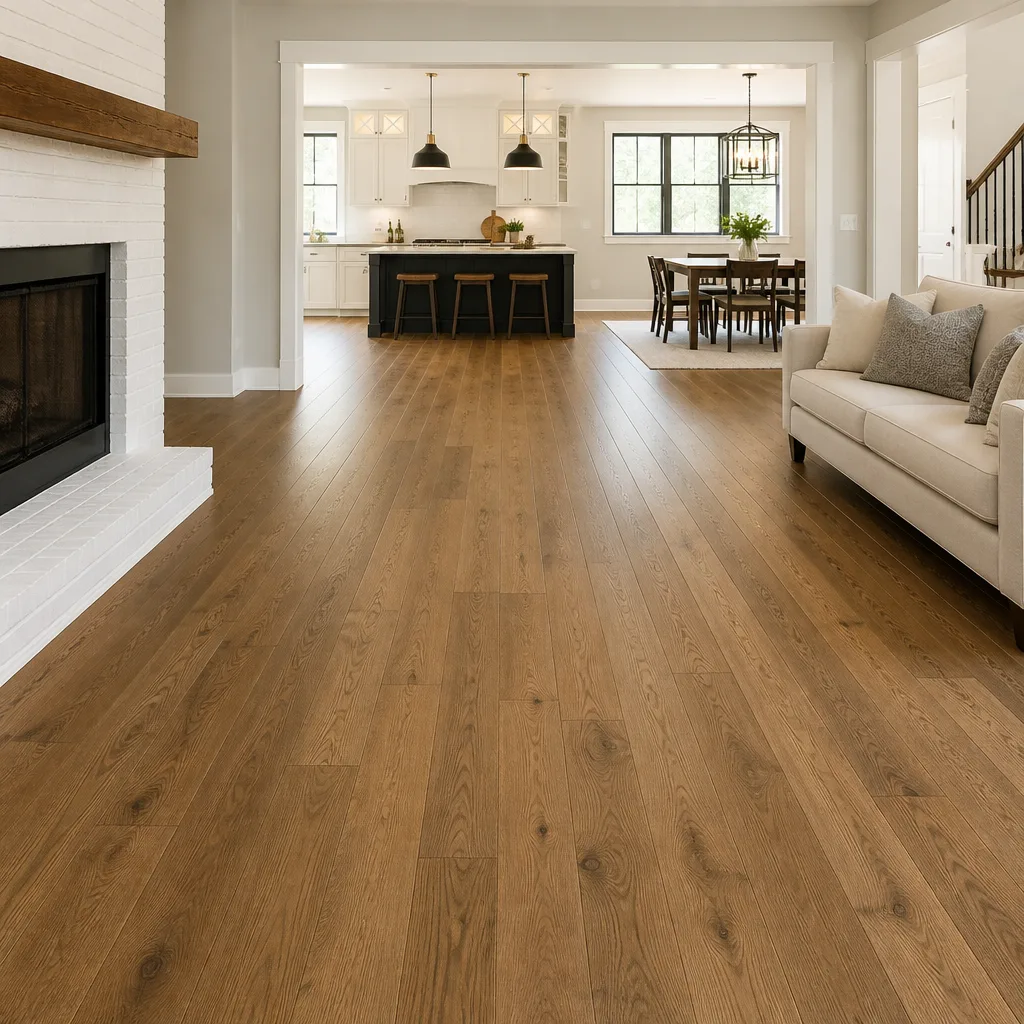 Engineered hardwood
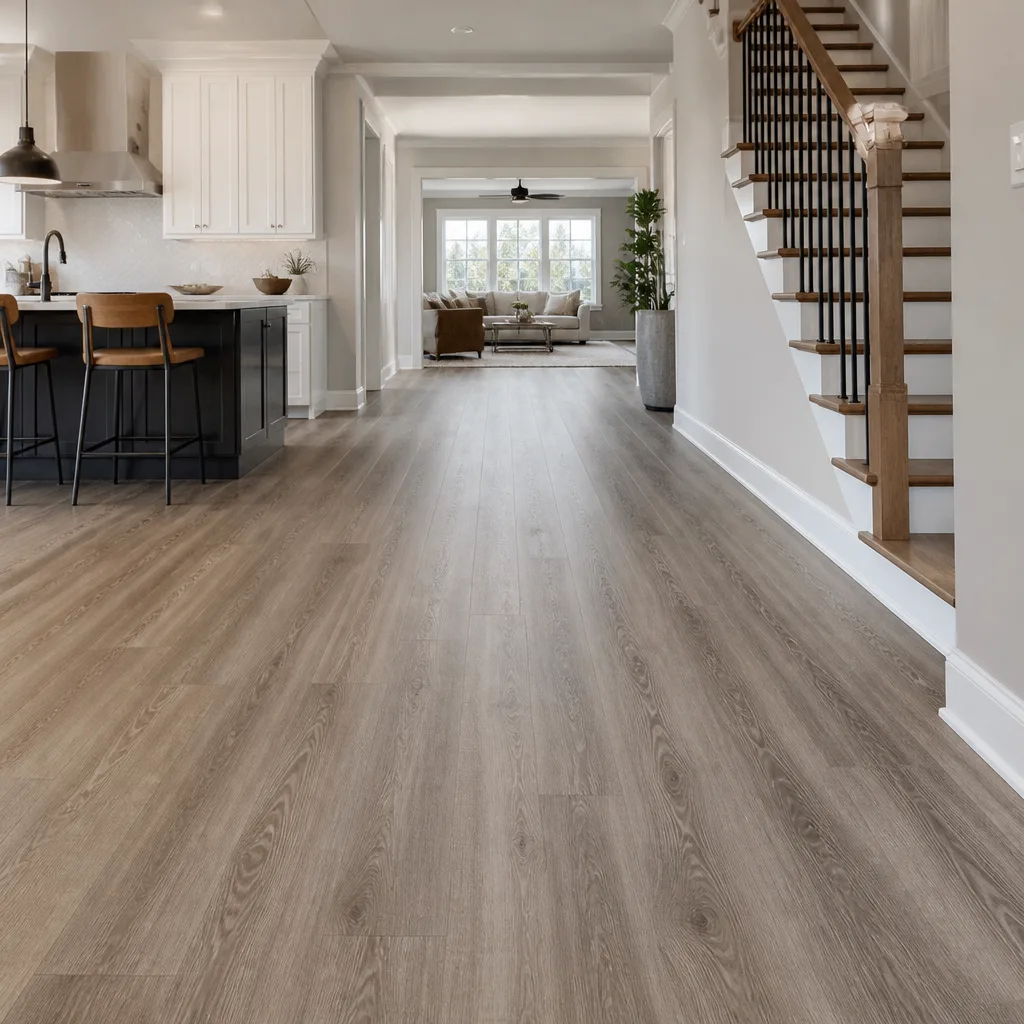 Luxury vinyl plank
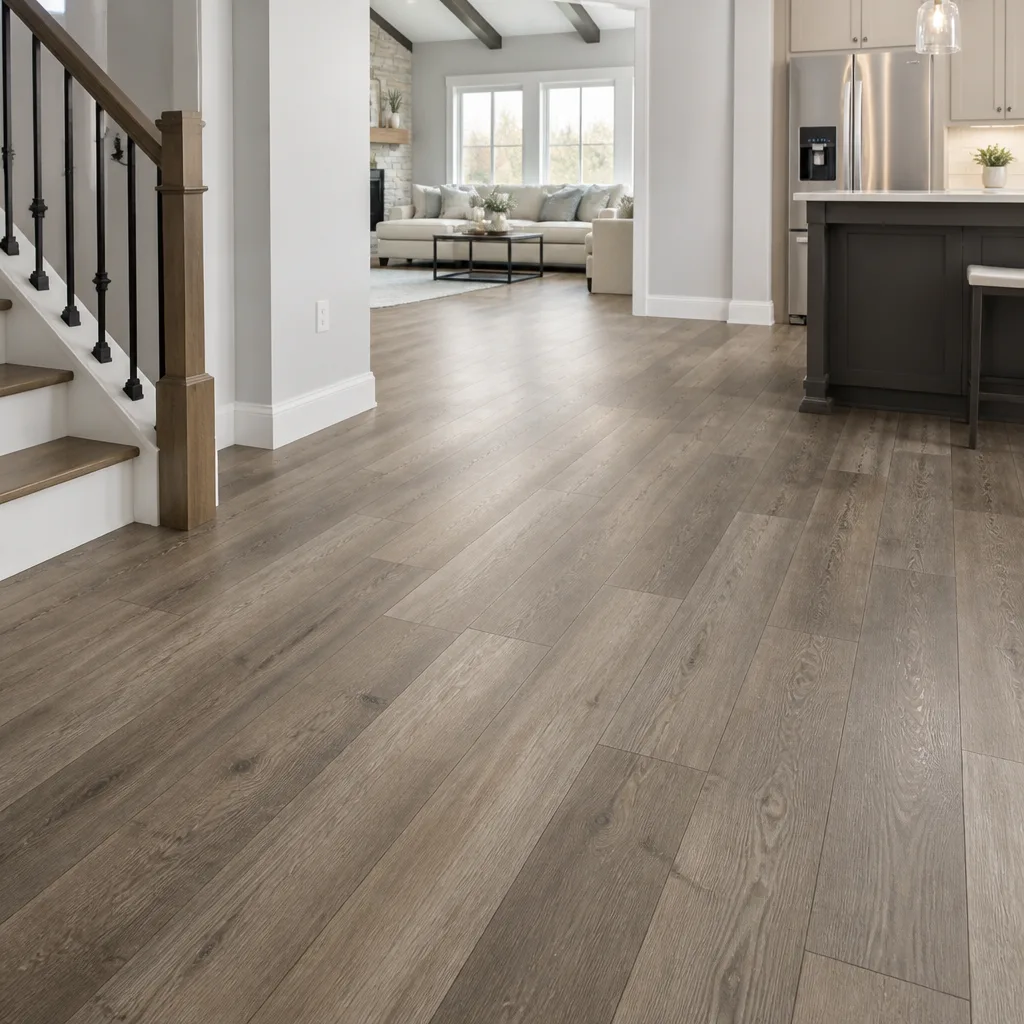 Laminate
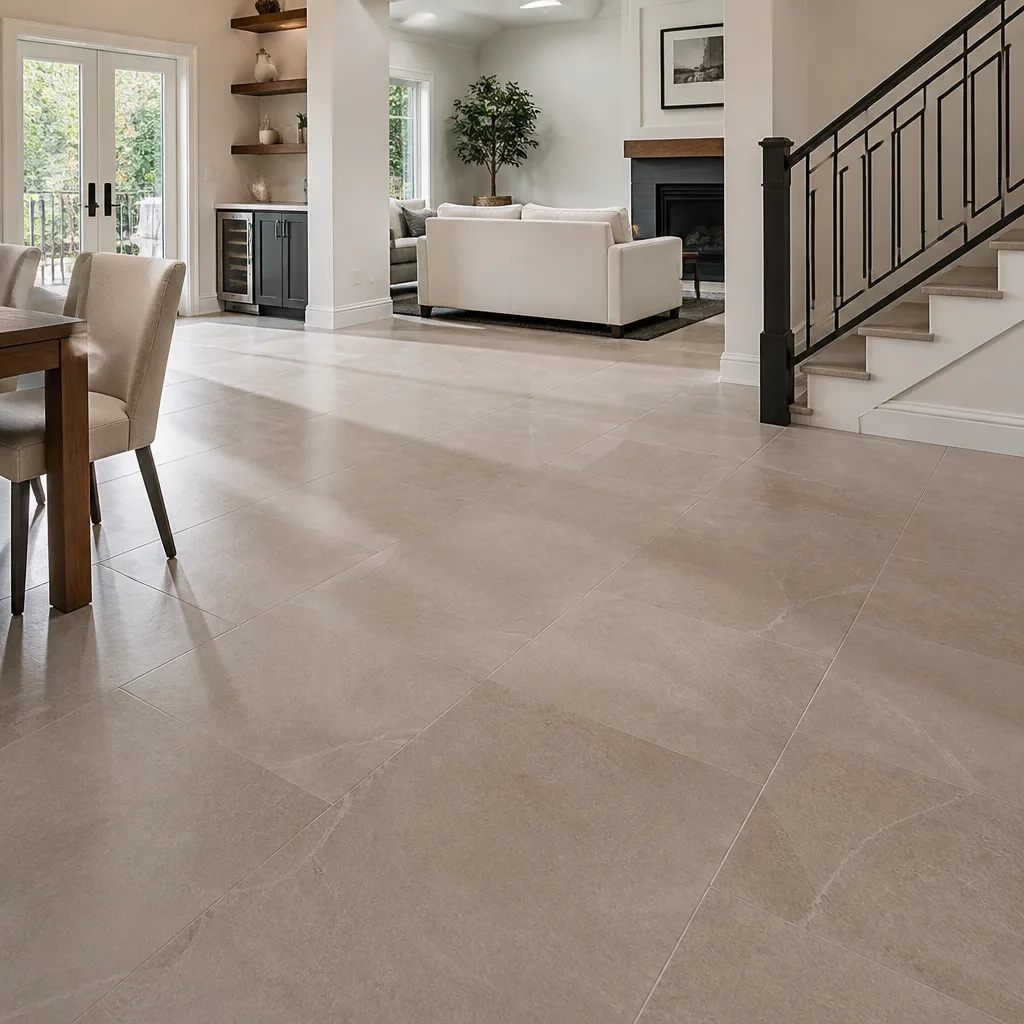 Porcelain tile
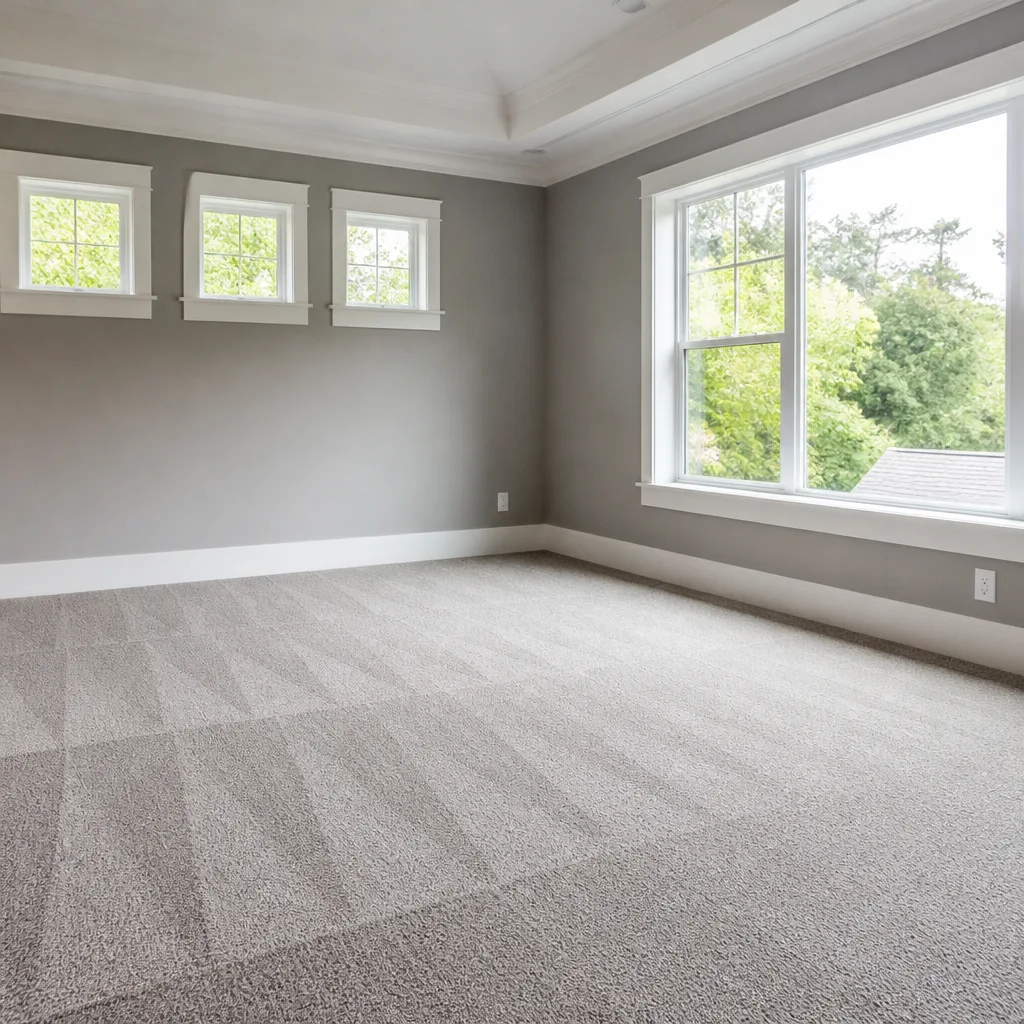 Carpet
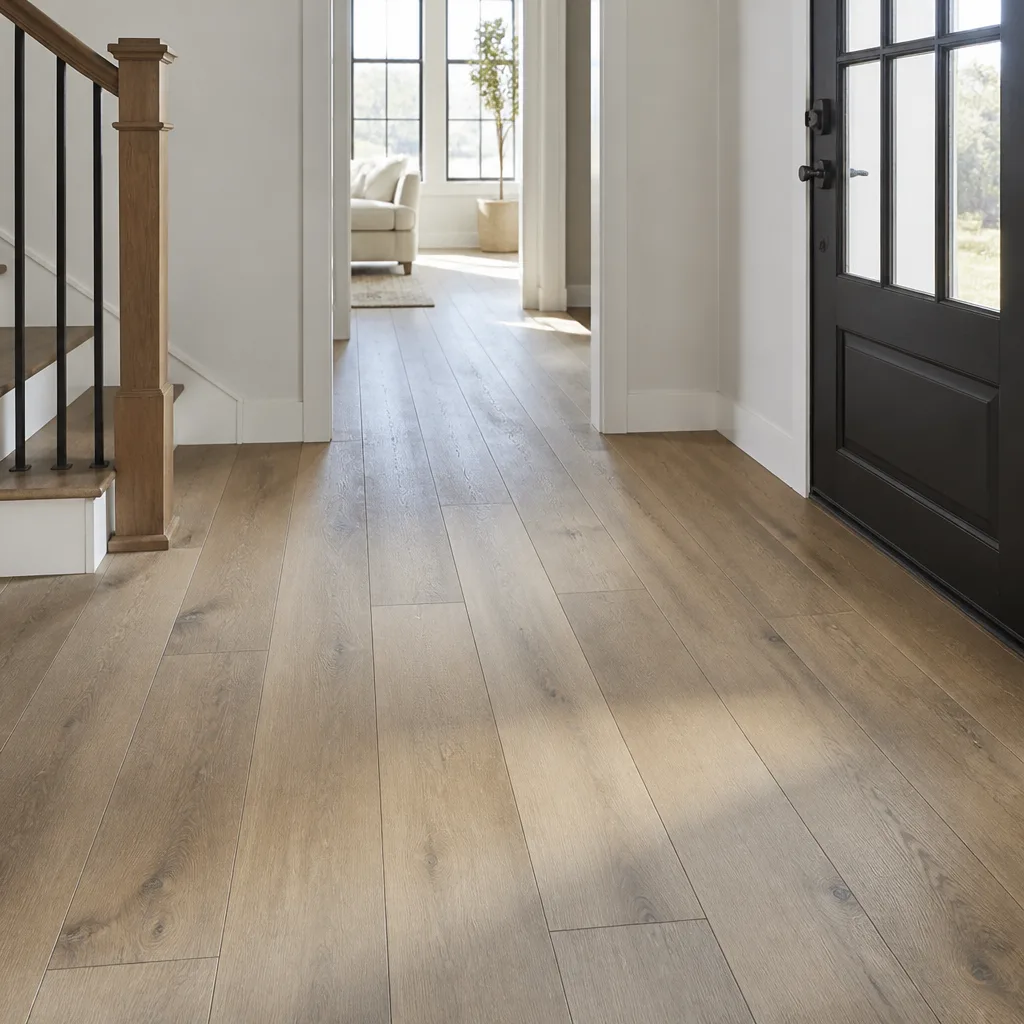 Shaw
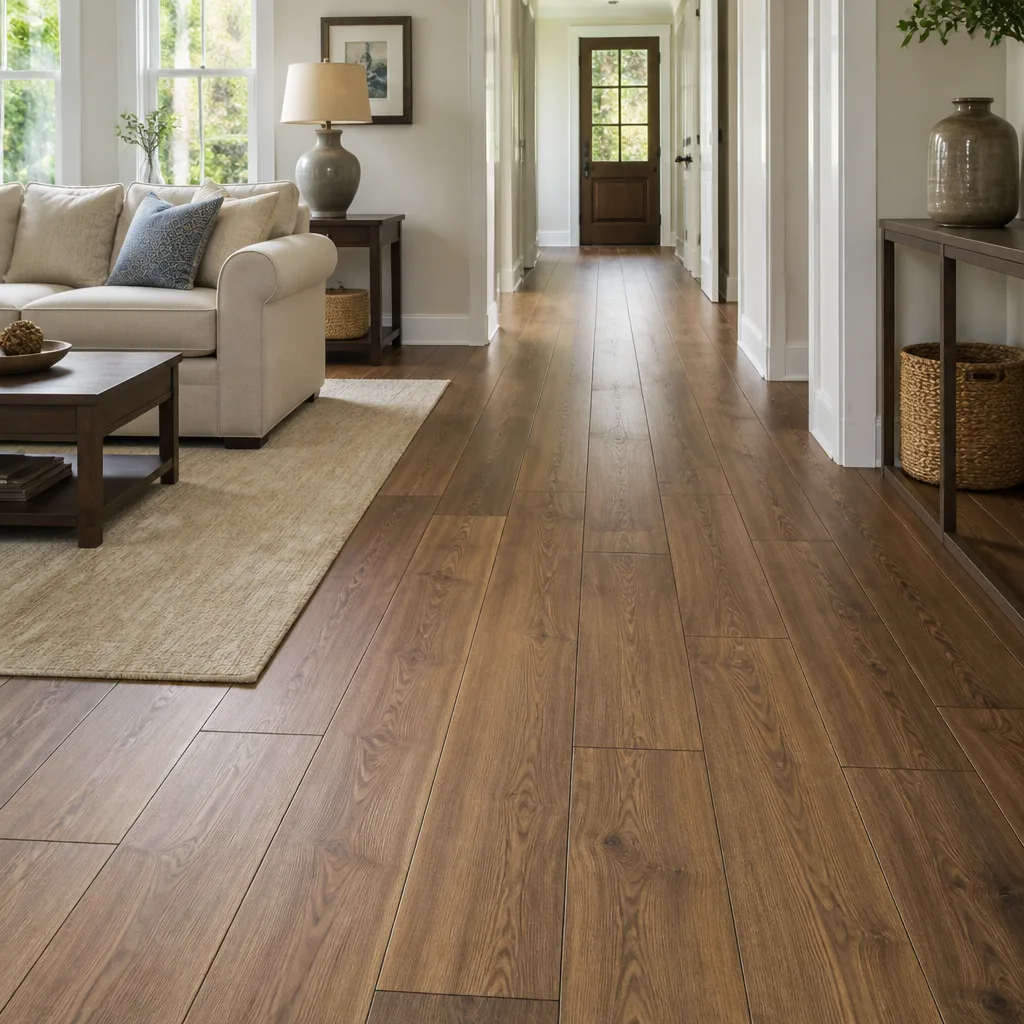 Mohawk
 COREtec
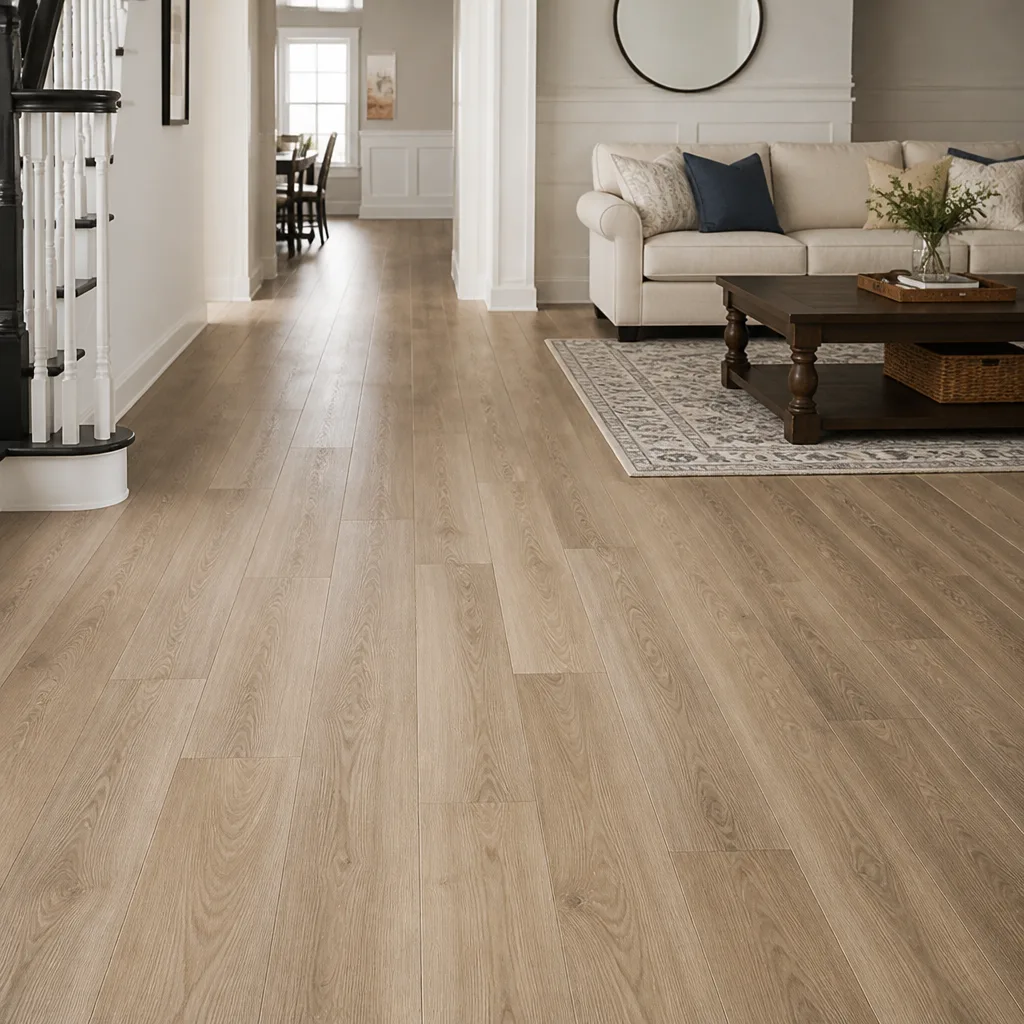 Pergo
Free in-home measure and written estimate: Shaw, Mohawk, COREtec and Pergo lines compared on your own rooms, with carpet, tile, vinyl plank, laminate and hardwood laid out side by side
Get your free estimateThe Complete Guide to Flooring in Henderson
Most flooring guides are written for a composite “average American home” that sits on a wood-frame crawl space in a temperate climate. That describes almost nothing built in Henderson after 1985. Here, homes sit on concrete slabs poured over desert soil, summers push interior temperatures past 115°F in rooms that aren’t fully cooled, and the soil underneath carries an alkalinity that attacks the wrong adhesive or underlayment. A floor that performs fine in a Midwest ranch house can cup, lift, or fail in a Henderson living room. This guide treats Henderson as its own environment. You’ll learn how slab construction changes every product category, which brands handle local conditions, how resale value actually works room by room, and a decision tree that walks you from room type to a shortlist.
Quick Answer
Flooring in Henderson must be chosen for a concrete slab-on-grade home in a desert climate, not a wood subfloor in a temperate one. That means moisture control under the slab and heat tolerance in the flooring itself matter more than the color or style trend you’re chasing. Rigid-core LVP, porcelain tile, and correctly acclimated engineered or solid hardwood all work here when the subfloor and adhesive system are right. Carpet is still the right answer for bedrooms when specified correctly. Get the slab and the temperature range wrong and the best product on the shelf will still fail.
Styles & brands we work with
- Hardwood
- Engineered hardwood
- Luxury vinyl plank
- Laminate
- Porcelain tile
- Carpet
- Shaw
- Mohawk
- COREtec
- Pergo
Table of Contents
- Why Henderson’s Concrete Slabs Change Everything
- The 115°F Problem: Heat and Flooring in Henderson
- Brand-by-Brand: Which Lines Fit Henderson Homes
- Room by Room: Matching Product to Place
- What Henderson Buyers and Appraisers Actually Reward
- The Henderson Flooring Decision Tree
- What a Proper Installation Looks Like Here
- Common Mistakes to Avoid
Why Henderson’s Concrete Slabs Change Everything
Nearly every Henderson home built in the last four decades sits on a slab poured directly on grade. There’s no crawl space to ventilate, no floor joists, and no air gap between your floor and the ground. That single fact reshapes the rules for every product category.
Concrete is porous. Moisture moves through it as vapor, and desert soil carries dissolved minerals that make that vapor alkaline. Alkalinity is the quiet killer of flooring installations. It attacks the wrong adhesive, breaks down the wrong underlayment, and can discolor or lift a floor from underneath where you can’t see it coming. In a wet climate the vapor drive is mostly seasonal. Here it’s tied to irrigation, landscaping, and the way water behaves in caliche-heavy soil that doesn’t drain the way Midwest dirt does.
What this means in practical terms:
- Every installation needs a moisture check. The slab’s vapor condition has to be tested before any product goes down. The written estimate should state what was found and how the system addresses it.
- Glue-down systems need the right adhesive. An adhesive rated for high-alkalinity concrete is not the same as a general-purpose one. Get this wrong and the floor telegraphs, cups, or releases.
- Floating floors need a vapor barrier. Rigid-core products and laminate depend on an underlayment that blocks vapor. Skip it and the core can swell or the joints can separate over a single summer.
- Solid hardwood needs a different conversation entirely. Solid wood over a slab is a technical specialty. Often the honest answer is engineered wood or refinishing what’s already there.
We’ve seen homeowners buy a beautiful product, follow the manufacturer’s national instructions, and still watch it fail, because the instructions assume a wood subfloor in a temperate climate. The product wasn’t the problem. The slab was. If you’re working through your options in Henderson, start with the subfloor, then pick the floor.
The 115°F Problem: Heat and Flooring in Henderson
Summer interior temperatures in Henderson can climb past 115°F in rooms that aren’t fully cooled: a west-facing bedroom with the blinds open, a garage converted to living space, a vacation home on a setback thermostat, a sunroom. National product specs are written for interiors that stay between roughly 60°F and 85°F. When your floor spends weeks well above that, certain products disqualify themselves.
The categories that struggle most in extreme heat:
- Thin laminate and low-end vinyl plank. Some products that pass national specs are not built for sustained high heat. The core can expand beyond its expansion gap, and the joints can peak or separate. A product rated for a temperate living room is not automatically rated for a Henderson sunroom.
- Certain budget LVP lines. The same issue applies. A rigid core handles heat better than a flexible one, but “rigid core” is not a universal guarantee. The specific product matters.
- Solid hardwood in full sun. Wood moves with heat and humidity. Direct sun through a window can bake one section of a floor while the rest of the room stays cooler, and that differential shows up as gapping or cupping.
The categories that hold up well:
- Porcelain and ceramic tile. Tile is fired at temperatures far beyond anything a Henderson summer produces. It doesn’t care about the heat. This is one reason tile is a natural fit here.
- Rigid-core LVP built for temperature swings. The better lines in the COREtec and LifeProof families are engineered with high heat in mind. Ask specifically about the temperature range before buying.
- Engineered hardwood. The cross-ply construction makes it more dimensionally stable than solid wood, which is why it handles local swings better.
If a room will ever sit uncooled, tell your installer that up front. It changes the shortlist. It’s the single most overlooked question we get asked, and it’s the one that prevents the most callbacks.
Brand-by-Brand: Which Lines Fit Henderson Homes
The brands we install are the brands we get asked about most, and each brings something different to a Henderson home. This isn’t a full catalog. It’s a guide to what each name is good for when the subfloor is concrete and the summers are brutal.
Shaw
Shaw covers a wide range across carpet, resilient, and hardwood. For Henderson, the value is breadth: a single brand family you can use to pull a consistent palette across a whole house. Their carpet and resilient lines are the workhorses for bedrooms and family rooms where the slab is stable and properly prepped.
Karndean
Karndean’s luxury vinyl lines are a strong match for the alkalinity question. Their systems are engineered for demanding subfloor conditions, and the glue-down options perform well when the slab needs a fully adhered installation rather than a floating one. If you want the look of stone or wood with the practicality of vinyl in a hot room, this is a shortlist name.
Daltile
Daltile covers both the everyday residential tile and the elevated, larger-format material. In Henderson, tile is the low-risk category because heat is a non-issue. The variable is installation: large-format tile over a slab needs proper flatness prep, and the mortar has to be rated for the conditions. Daltile’s range means you can go from a standard kitchen floor to a statement entry without changing suppliers mid-project.
Mannington
Mannington’s resilient and hardwood lines give you a middle path between budget vinyl and premium rigid core. Their LVT products are a solid option for kitchens and hallways where you want a glue-down floor that handles heat and traffic without a big spend.
Armstrong
Armstrong is another broad house that covers resilient and hardwood, and their lines are a reasonable fit for the middle of the market. As with any brand, the specific product’s temperature and moisture ratings matter more than the name on the box. We check the spec sheet against your room before recommending anything.
We also install Pergo, LifeProof, Mohawk, and COREtec. The point is not to push one brand. It’s that a dedicated flooring specialist who handles the whole roster can match the product to the room and the slab, not the other way around. See what tile flooring installation looks like in practice, and how carpet installation fits a Henderson bedroom, before you commit to a direction.
Room by Room: Matching Product to Place
Henderson homes ask different things of different rooms. The right answer for a kitchen is often wrong for a bedroom, and the local climate sharpens those differences.
Kitchens and entryways
These are the highest-traffic, highest-moisture rooms in the house. Porcelain or ceramic tile is the safest bet: heat-tolerant, water-tolerant, and long-lived. If you want a softer surface, a rigid-core LVP built for temperature swings works well. Avoid solid hardwood in a kitchen here; the plumbing risk and the heat differential make it a poor match.
Living rooms
This is the design-forward room, and it’s where the slab condition matters most because the room is large. Tile gives you durability and design flexibility. Engineered hardwood gives you the warmth of wood with better stability. A premium rigid-core LVP is the practical middle. If the room has big west-facing windows, note the sun exposure before you pick a color.
Bedrooms
Carpet remains the right answer for most Henderson bedrooms, and it’s not a fallback. It’s softer and warmer underfoot, and it’s quieter. The requirement is correct specification: a carpet built for the local temperature range, a pad matched to it, and a stretch-in install that doesn’t trap moisture over the slab. Mannington and Shaw carpet lines handle this well.
Bathrooms
Tile, full stop. A bathroom demands water tolerance and easy cleaning, and porcelain delivers both. Keep in mind that a slab bathroom is already a wet environment; the tile and waterproofing under it have to be installed as a system, not just as a pretty surface.
Sunrooms and under-cooled rooms
This is where Henderson’s climate matters most. A room that gets hot and stays hot disqualifies laminate and thinner vinyl. Tile, engineered wood, or a rigid core rated for high heat is the honest answer. Tell your installer which rooms run hot.
What Henderson Buyers and Appraisers Actually Reward
Flooring is one of the few home improvements buyers notice within seconds of walking in. But not all flooring returns the same value, and the difference isn’t about how much you spent. It’s about whether the floor reads as well-maintained and consistent.
What tends to matter most in this market:
- A consistent floor across connected spaces. A kitchen, dining area, and hallway that flow together with one product read as intentional. A patchwork of three different floors reads as deferred maintenance, even if each floor was expensive.
- Tired carpet in bedrooms. Buyers discount a home with worn or dated carpet heavily, because they mentally price in the replacement. Fresh, neutral carpet is one of the cheapest ways to remove a discount.
- Refinished existing hardwood. If a home already has solid wood, refinishing it to its original finish preserves character and often costs less than replacement. It also signals that the home was cared for.
- Tile in wet areas. Properly installed tile in kitchens and baths is expected, and a poorly done tile job is one of the first things a buyer’s eye catches.
What tends not to pay back as reliably:
- Overly specialized or trend-forward materials that may not suit the next owner’s taste.
- Premium product in a room that didn’t need it while a high-traffic room was left worn.
- New flooring over a slab with unresolved moisture issues, which can surface as a problem during a buyer’s inspection.
The rule of thumb: spend where buyers look first and where the existing floor is worst. Bedrooms, the main living area, and the entryway do more for perceived value than an upgraded utility room.
The Henderson Flooring Decision Tree
When you’re staring at a wall of samples, the decision gets easier if you work through four questions in order. Here’s the sequence we walk through with homeowners.
- Start with the room type. Is it wet (bathroom, kitchen, laundry), high-traffic (entry, hallway, family room), or low-traffic (bedroom, closet)? Wet rooms go tile. High-traffic rooms go tile or rigid-core LVP. Low-traffic rooms open up to carpet or engineered wood.
- Check the subfloor condition. At the estimate visit, the slab’s moisture and flatness get checked, and any cracks or high spots are noted. The result determines whether you can float a floor or need to glue it down, and whether the right adhesive and vapor barrier are part of the system. No product choice is final until this is known.
- Set your budget by category, then pick within it. Decide what you’re comfortable spending per room, then shortlist brands that fit. There’s no point falling in love with a premium line you won’t buy. Work backward from the number.
- Shortlist from the brands that fit. Within the approved brand roster, narrow to two or three products that match the room, the slab, and the budget. Then, and only then, pick the color and style you love from that short list.
This order matters. Most homeowners start with color and style, then discover the product they chose doesn’t fit their slab or their hot sunroom, and have to start over. Starting with the conditions saves that detour.
What a Proper Installation Looks Like Here
In Henderson, installation is where a good product becomes a good floor, and where a rushed job becomes a callback. A proper job follows a sequence:
- Free in-home measure and estimate. We measure the rooms, inspect the slab, check for moisture and flatness, and talk through your product preferences. The result is a written estimate that states the product, the installation system, and the price. That written estimate sets the final price.
- Subfloor preparation. This is the step that’s easy to shortcut and expensive to skip. Depending on what the moisture check finds, prep might include crack repair, flatness correction, or a specific adhesive and vapor-barrier system. It’s the part of the job you won’t see when it’s done, which is why it matters.
- Product and material checks. The product gets checked against the room conditions before installation. Adhesives, underlayments, and transition materials are matched to the system, not grabbed from a shelf.
- The install day, scheduled at the estimate. Installation happens on a booked day, timed so the product and materials are ready. Indoor work is scheduled around your household, and the crew cleans as it goes.
- Walkthrough. The finished floor is reviewed with you, transitions and edges are checked, and any questions get answered before the job closes.
No two homes are identical, and the schedule is always set at the estimate, not promised over the phone. If you want the full picture of how the process works from first call to final walkthrough, the Henderson Flooring Installation page lays it out.
Common Mistakes to Avoid
- Picking the product before checking the slab. A beautiful floor installed over an unresolved moisture problem will fail regardless of how much you spent. Test the slab first, then choose.
- Following national product advice without local adjustment. Manufacturer guidance assumes a temperate wood-subfloor home. Henderson’s slab and heat require a different conversation about adhesive, vapor barrier, and temperature range.
- Using a general-purpose adhesive on alkaline concrete. The wrong adhesive on high-alkalinity slab can cause a glue-down floor to cup or release. The adhesive has to match the slab condition.
- Putting laminate or thin vinyl in an under-cooled room. A sunroom or a room that regularly gets past 115°F can disqualify products that pass national standards. Tile or a heat-rated rigid core is the safer call.
- Skipping the moisture check to save time. It’s the step you can’t see in the finished floor, and it’s the step that determines whether the floor lasts. Don’t let anyone talk you out of it.
- Treating carpet as a cheap afterthought. Carpet is the right answer for many Henderson bedrooms, but it needs the right product for the temperature range and a pad matched to it. Cheap carpet installed badly looks cheap fast.
- Replacing hardwood that could be refinished. Solid wood that’s structurally sound often just needs refinishing. It’s cheaper than replacement and preserves the character of the home.
See the difference
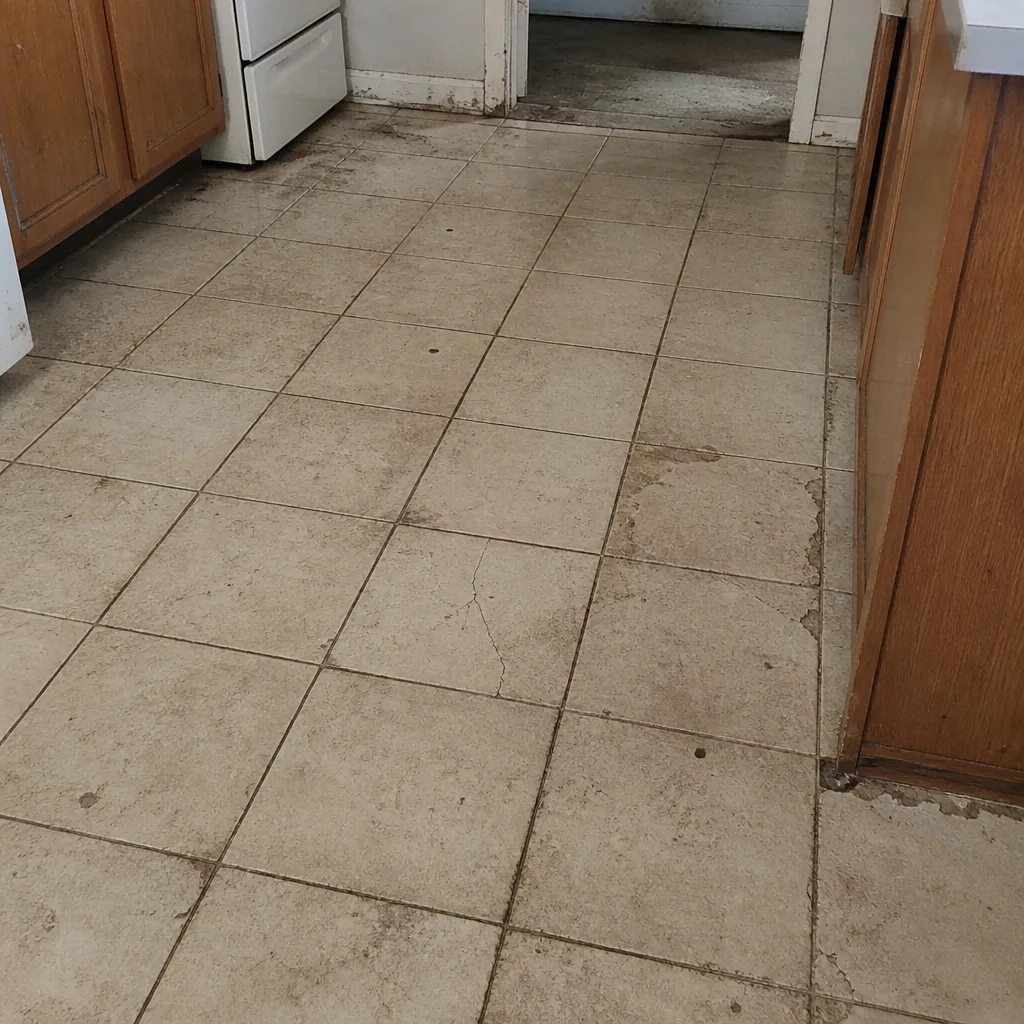 Before
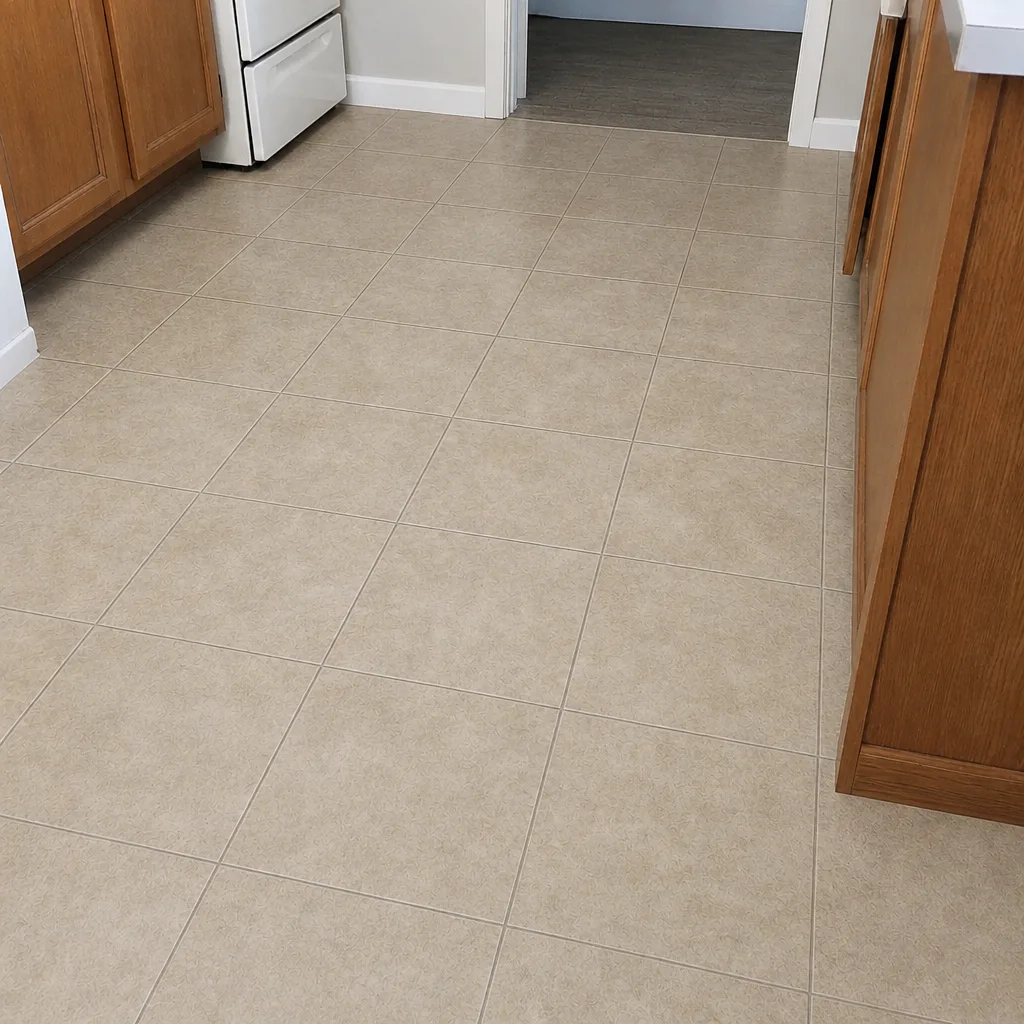 After
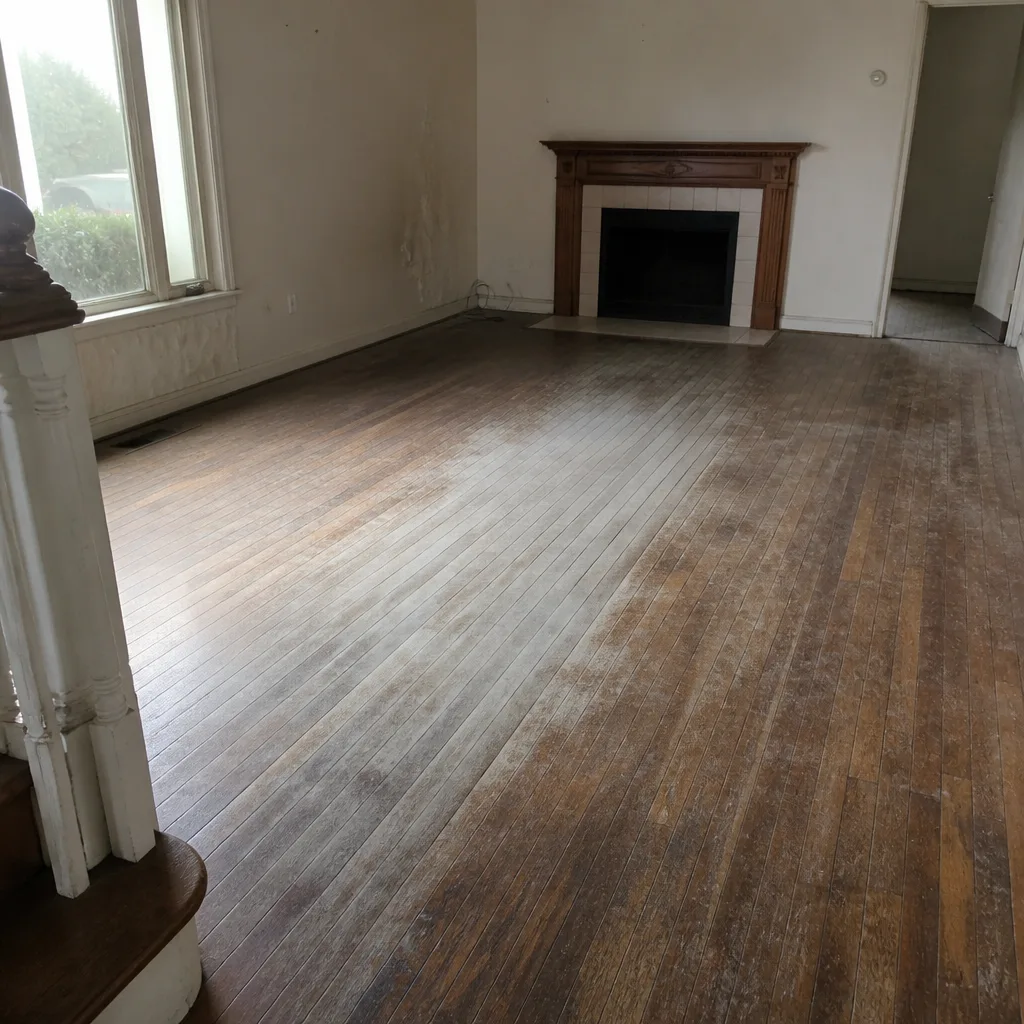 Before
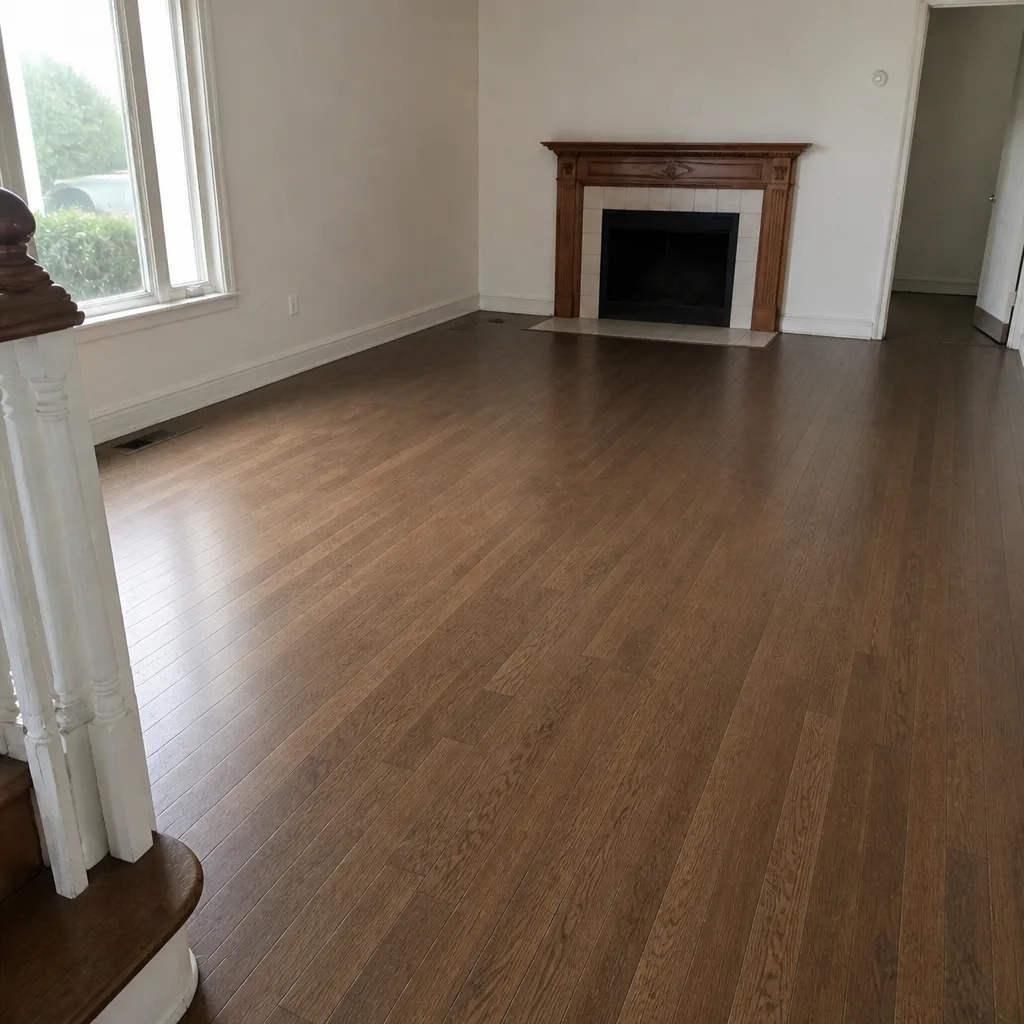 After
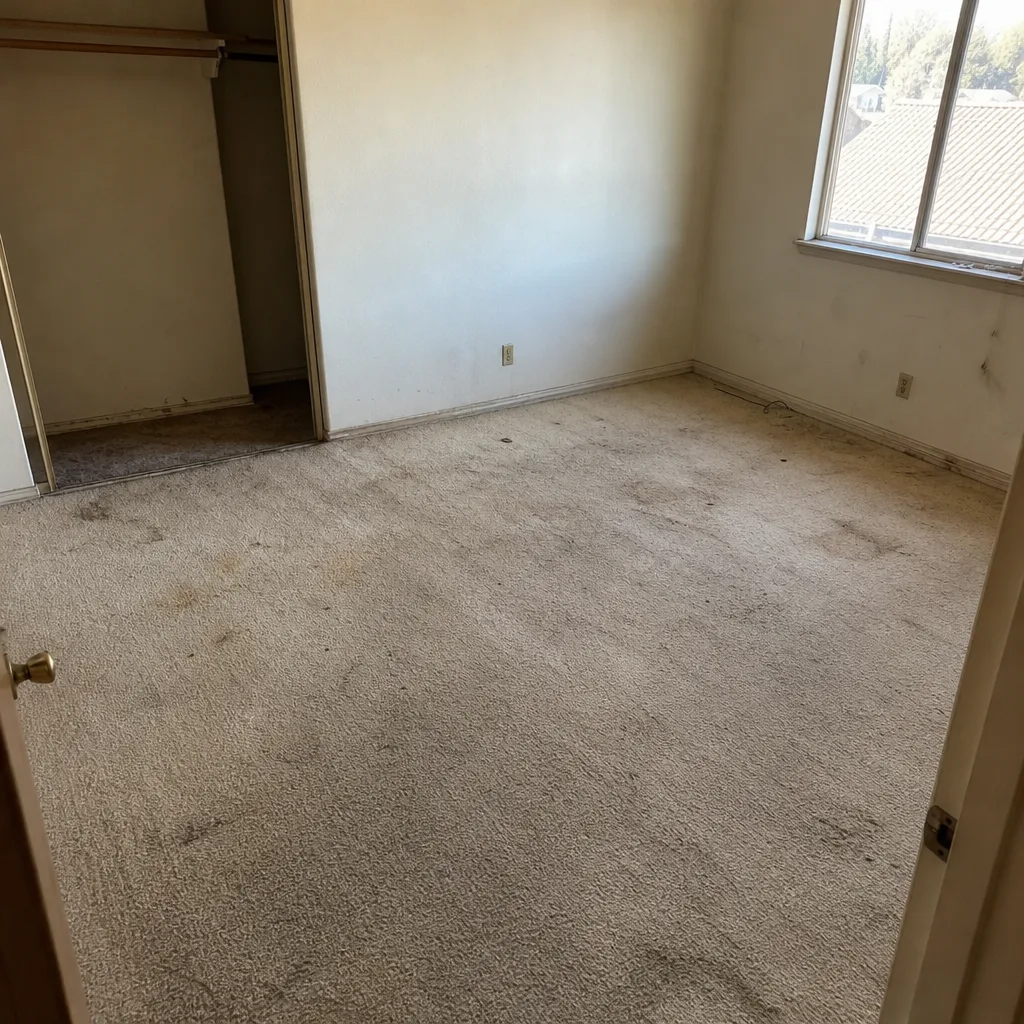 Before
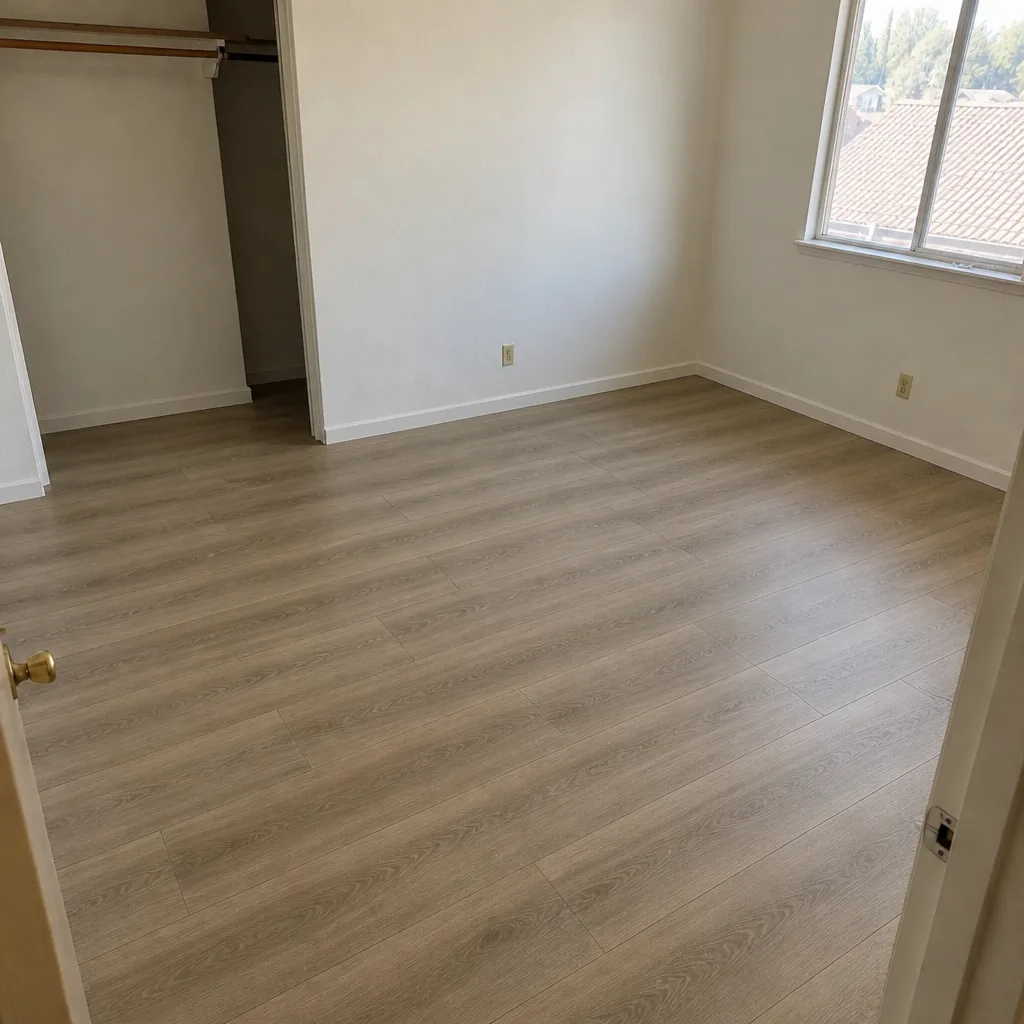 After
When to Call a Professional
Some flooring decisions are simple, and some aren’t. Call a professional when the slab is cracked or uneven, when a previous floor has cupped or lifted and you don’t know why, when you’re dealing with large-format tile, or when solid hardwood is involved. Call when the room runs hot and you’re not sure which products qualify. Call when you’re ready to refinish existing hardwood, or when you’re trying to figure out whether refinishing will work on a given floor. And call when you simply want a straight answer about which product actually belongs in your home. Costs, product fit, and slab conditions are all part of the free estimate, and the written price is set from there. Henderson Flooring Installation offers free estimates in Henderson. Call (844) 460-4481. We answer 24/7. Fast dispatch from 7am to 7pm, Sunday through Friday.
Frequently Asked Questions
It can be, but only if the product is rated for the temperature range the room actually reaches. A rigid-core product built for high heat works well in most Henderson rooms. In a sunroom or under-cooled room that regularly climbs past 115°F, thinner laminate and budget vinyl can disqualify themselves. Check the specific product’s spec sheet against the room, and tell your installer which rooms run hot. Call (844) 460-4481 for an exact quote; estimates are free.
Because nearly every Henderson home sits on a slab poured over alkaline desert soil, and moisture moves through that concrete as vapor. That vapor can attack the wrong adhesive or underlayment and cause a floor to cup or release from underneath. A moisture check at the estimate visit determines which installation system your home needs. It’s the step that separates a floor that lasts from one that doesn’t.
Porcelain and ceramic tile handle heat best because they’re fired far beyond anything a Henderson summer produces. Engineered hardwood and rigid-core LVP are strong second choices when specified correctly. The product that fails most often in local heat is thin laminate or lower-end vinyl in an uncooled room. The fix is matching the product to the room, not avoiding the category altogether.
Often yes, but it depends on the thickness of the wood and its condition, which gets checked at the estimate visit. Refinishing restores an existing solid wood floor to its original finish and usually costs less than replacement. Not every floor can be refinished, and a stain match to a sample isn’t guaranteed, so the honest answer depends on what’s actually on the subfloor. Call (844) 460-4481 to schedule a free estimate.
The schedule is set at the estimate, once the room sizes, product, and installation system are known. A single room is a different job than a whole house, and a glue-down vs. floating system changes the timeline. Rather than promise a number over the phone, we measure, price the job, and book the install day from the written estimate. That way the date is realistic.
Yes. The in-home measure and estimate are free, and the price comes as a written estimate after we’ve seen the rooms and checked the slab. The written estimate sets the final price. There’s no charge for the visit. Call (844) 460-4481. We answer 24/7. Fast dispatch from 7am to 7pm, Sunday through Friday.
The Bottom Line
Flooring in Henderson is a local decision, not a national one. The concrete slab, the alkaline soil moisture, and the 115°F summers change the rulebook for every product category. Test the slab before you fall in love with a color. Check the temperature range before you buy laminate for a sunroom. Let the room and the subfloor drive the shortlist, then pick the look from the products that survive it. Tile is the low-risk category, rigid-core LVP and engineered hardwood are strong practical choices, and carpet remains the right answer for bedrooms when specified correctly. When in doubt, get a trained eye on the slab and the room conditions. The right floor, installed the right way, starts with the conditions, not the catalog.
Call (844) 460-4481 to schedule your free estimate. We answer 24/7. Fast dispatch from 7am to 7pm, Sunday through Friday.
Written by the team at Henderson Flooring Installation.