
Last updated November 17, 2026
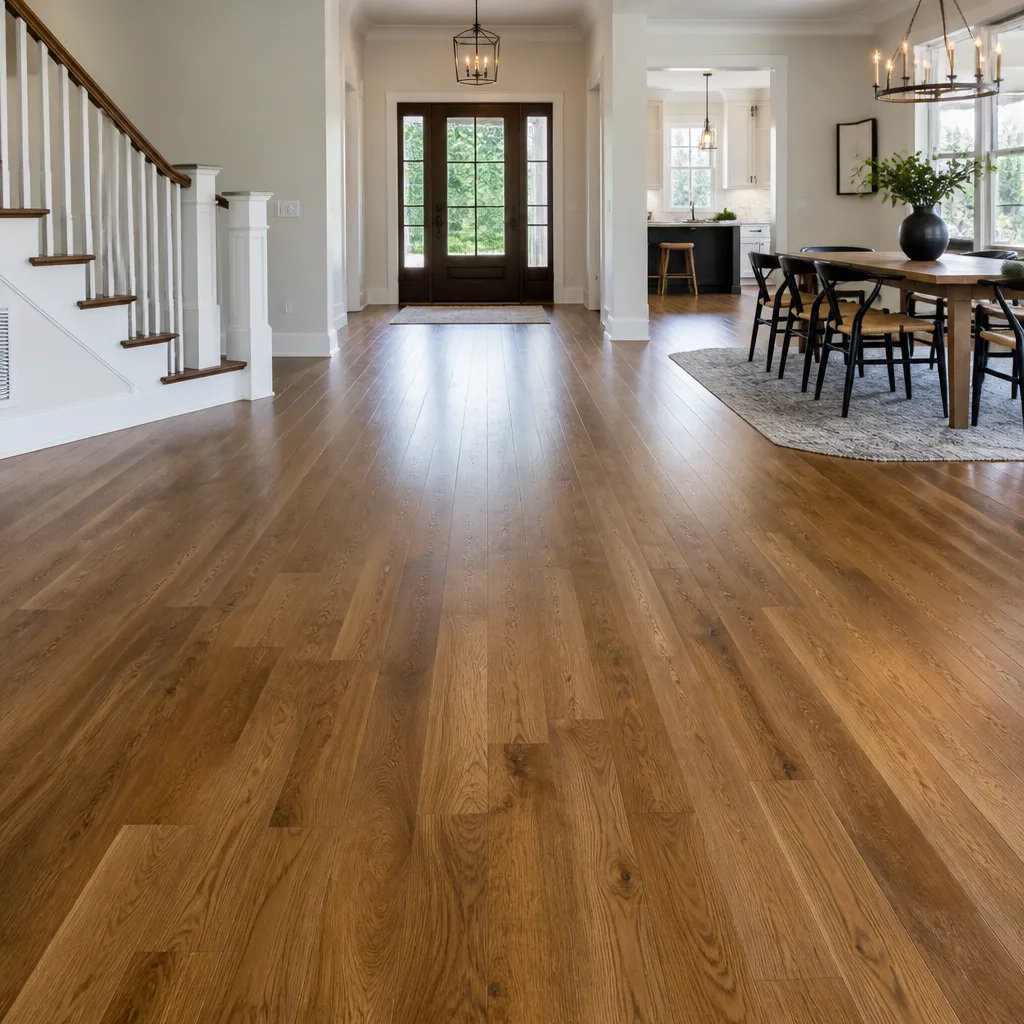 Hardwood
 Engineered hardwood
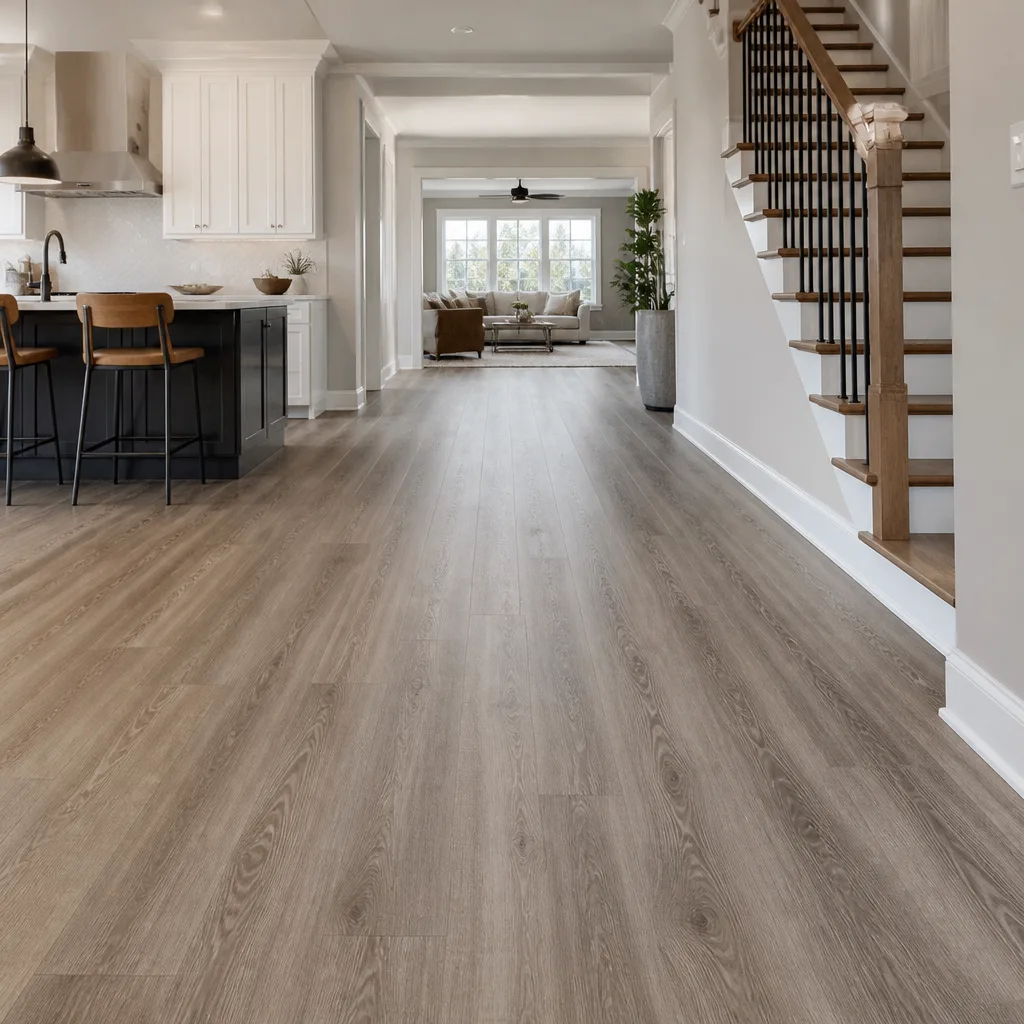 Luxury vinyl plank
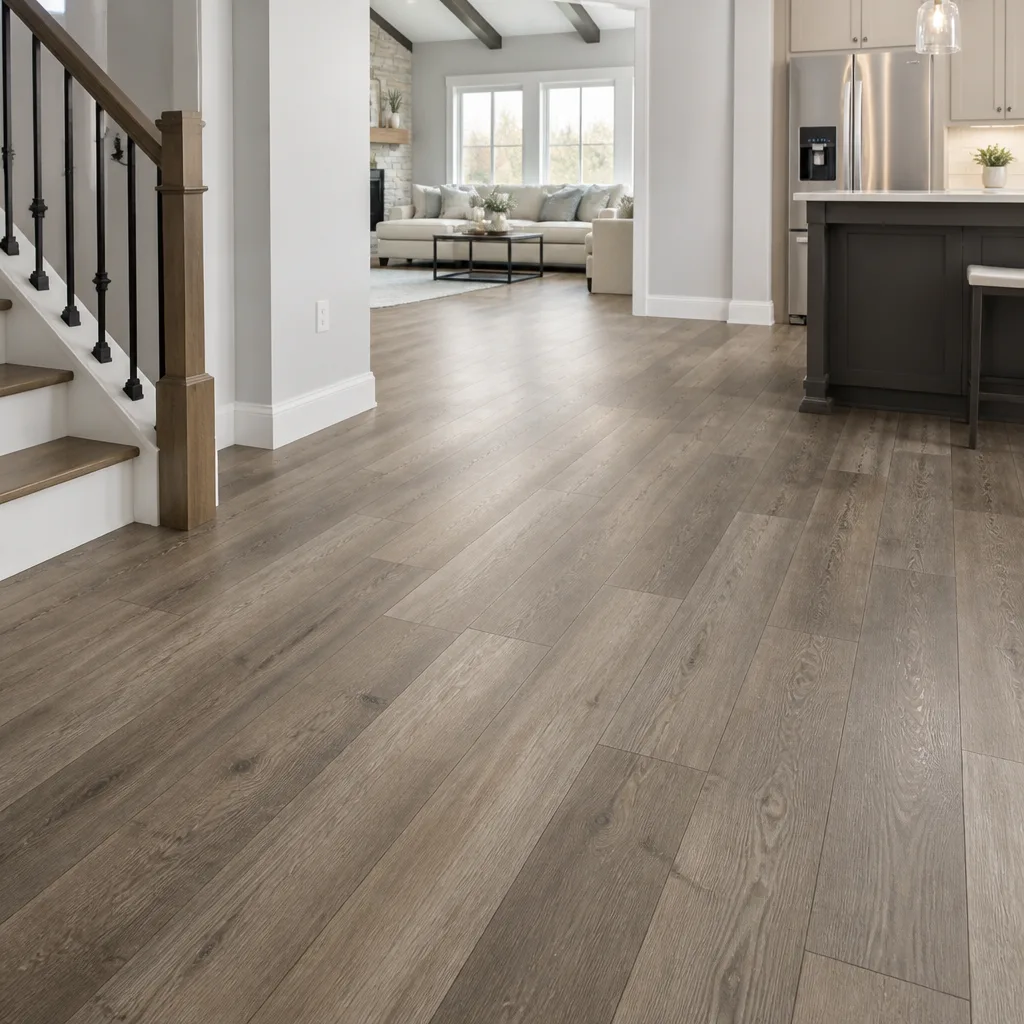 Laminate
 Porcelain tile
 Carpet
 Shaw
 Mohawk
 COREtec
 Pergo
Free in-home measure and written estimate: Shaw, Mohawk, COREtec and Pergo lines compared on your own rooms, with carpet, tile, vinyl plank, laminate and hardwood laid out side by side
Get your free estimateFlooring Installation Questions to Ask Before You Sign
Most flooring disputes don’t start with bad workmanship. They start with an estimate that said “install flooring” without specifying who handles the slab prep, what happens if moisture tests fail, or what flatness tolerance the installer is working to. The crew shows up, the conditions are different from what was quoted, and suddenly everyone is negotiating a bill that should have been settled on paper a week earlier. What follows are the questions that push those assumptions into writing. Ask them in Henderson before you sign anything, and you’ll know exactly what you’re buying.
Quick Answer
Before signing a flooring contract, get written answers to five things: who pulls the permit and holds the license, the exact product SKU and dye lot, what’s included and excluded in subfloor prep, the flatness and moisture standards the crew will measure against, and the separate terms of the manufacturer warranty versus the installer’s labor warranty. A specific written scope is the single best protection you have. Everything below explains how to get one.
Styles & brands we work with
- Hardwood
- Engineered hardwood
- Luxury vinyl plank
- Laminate
- Porcelain tile
- Carpet
- Shaw
- Mohawk
- COREtec
- Pergo
Table of Contents
- How Do You Verify a Flooring Contractor’s License and Insurance in Nevada?
- How Do You Confirm the Exact Product Being Installed?
- What Should the Scope of Work Include?
- Who Handles Subfloor Prep, Moisture, and Flatness?
- How Long Will the Project Take, and What Gets Disrupted?
- What’s the Difference Between the Product Warranty and the Labor Warranty?
- What Should Be in Writing About Payment and Changes?
- Common Mistakes to Avoid
How Do You Verify a Flooring Contractor’s License and Insurance in Nevada?
Ask for the Nevada State Contractors Board license number in writing, then verify it yourself on the Board’s website before any deposit changes hands. In Nevada, flooring installation is generally handled under the C-16 finish carpentry and flooring classification. The license number should appear on the estimate, the contract, and any permit paperwork. If a company can’t produce one, that’s your answer.
Verification isn’t just a database lookup. Check three things:
- License status and classification. The license should be active and list the classification that covers flooring. Expired or suspended status is a hard stop.
- Workers’ compensation coverage. Ask for a certificate of insurance that names the coverage and shows the policy is current. This matters most when subcontractors are involved, because a crew member injured on your property without coverage can create a claim against your homeowner’s policy.
- General liability insurance. The certificate should show the insurer, the policy number, the coverage limits, and an expiration date that falls after your install is scheduled to finish. Call the insurer’s verification line if the certificate looks generic.
One more point specific to how flooring gets scheduled: ask whether the installers on your job are employees or subcontractors, and confirm that whichever they are, the insurance certificates cover them. A coordinator who can answer that without hesitating is a coordinator who knows how the job actually gets staffed. In our experience, homeowners who ask these questions up front rarely end up in the disputes that follow.
If you’d rather not run the verification alone, that’s a fair request to make of any contractor. A licensed, insured flooring specialist will hand you the paperwork without friction. You can also start by reading how we approach Henderson Flooring Installation as a dedicated installer rather than a general remodeler.
How Do You Confirm the Exact Product Being Installed?
The brand name on the estimate is not the product. Shaw, Daltile, and Karndean each make dozens of lines within dozens of collections, and the gap between two products under the same brand can be significant in thickness, wear layer, edge profile, and price. The contract should name the full product specification, not just the manufacturer.
Here’s what to insist on in writing:
- The exact SKU or item number. Not “COREtec plank” but the specific item code from the specification sheet.
- The collection and color name. Dye lots vary between production runs. Two boxes from different lots can read differently under the same light, and a later repair may not match if the lot is gone.
- The core specification. For rigid-core LVP products, that means the thickness and construction description from the manufacturer’s spec sheet. For tile, it’s the size, finish, and PEI or coefficient of friction rating where relevant.
- The quantity, with an overage allowance. Ask what percentage of extra material is being ordered and who keeps the leftovers. Keeping a spare box matters for future repairs.
- The trim and transition pieces. These are sold separately and often left off estimates. Get them itemized.
Why this matters beyond the install day: manufacturer warranties are typically tied to the specific product and to proper installation per the manufacturer’s instructions. If the paperwork doesn’t identify the product precisely, a warranty claim years later becomes a fight. And when you need a repair, having the SKU and the lot number on file is the difference between a clean patch and a visible one.
If you’re still choosing, we work from a curated portfolio that includes Shaw, Daltile, and Karndean, and we install what you’ve already chosen or help you choose from brands we know work. Our tile flooring installation page covers how product selection works for tile specifically.
What Should the Scope of Work Include?
The scope of work is where most disputes are born. “Install flooring” is not a scope. A workable scope lists every task, states who performs it, and states whether it’s included in the quoted price. Anything not in writing is an assumption, and assumptions get billed as extras.
Walk through this list with your contractor and get each line addressed:
- Demolition and removal. Who tears out the old floor, and where does it go?
- Haul-away and disposal. Dumpster fees, disposal fees, and who pays them.
- Furniture moving. Most flooring crews move small items and leave appliances and heavy furniture to the homeowner, or charge separately. Get it stated.
- Appliance disconnection and reconnection. Dishwashers, ranges, and refrigerators usually need to come out. Some installers handle this; some don’t.
- Toilet removal and reset. Relevant for bathroom tile. Ask who pulls and resets, and whether the wax ring is replaced.
- Door undercutting. New floor thickness changes clearance. Undercutting is often an add-on, and it’s easy to miss.
- Baseboard removal and reinstallation. Pulling baseboards gives a cleaner finish at the wall. Putting them back is a separate task.
- Transitions and thresholds. Stated in the product spec section above, and again here as a labor line.
- Subfloor prep. Covered in detail in the next section, and it deserves its own line item.
Older Henderson homes sometimes have floor transitions between rooms that were built at different times and at different heights. A written scope should say how those get handled, because a leveling strip between a hallway and a bedroom is real labor. If you’re considering carpet installation alongside a hard floor, the scope should also address the transition between the two materials.
Who Handles Subfloor Prep, Moisture, and Flatness?
Subfloor prep is the most commonly under-specified item on a flooring estimate, and it’s the one most likely to change the price mid-job. Ask three questions: who is responsible for prep, what standards the crew will measure against, and what happens if the floor fails those standards.
On the standards, the answer should be the manufacturer’s published requirements for the product being installed, not a verbal “it’ll be fine.” Different products and different conditions call for different prep. Rather than quote figures here, ask the contractor to show you the spec sheet for your product and point to the section that governs flatness and moisture.
For concrete slabs, moisture testing is not optional in a market like Henderson. Slabs here sit on desert soils, and moisture behavior varies from one home to the next depending on age, grading, landscaping, and irrigation. If the estimate doesn’t mention moisture testing, ask why. If the test result comes back high, the plan for handling it should already be in the contract.
Three things a good estimate will spell out:
- The prep standard being used. Named, from the manufacturer’s documentation.
- What happens if the floor doesn’t meet it. Either a stated allowance for prep work, or a clear statement that additional prep will be quoted separately before proceeding.
- Who pays for remediation. If moisture comes back high or the slab needs grinding or leveling, this is where an open-ended estimate gets expensive. The answer should be in writing before work begins.
Ask the contractor to walk you through what “typical” prep looks like for a home in your part of Henderson, and what would push a job into additional preparation. A contractor who can describe that clearly is one who measures before quoting.
How Long Will the Project Take, and What Gets Disrupted?
Project duration depends on square footage, product type, and prep conditions, so a single number is meaningless. What you should ask for is a range with assumptions attached: how many square feet, what product, what prep is anticipated, and how many installers will be on site. Then you can judge whether the range is realistic.
Rough expectations by category, subject to the estimate:
- Carpet. Generally the fastest of the three categories to install, and the least disruptive because furniture can often be handled room by room.
- Tile. The slowest. Tile work includes layout, setting, and cure or grout time before the floor can take normal foot traffic.
- Hardwood installation. Depends on whether it’s solid or engineered, nailed, glued, or floated, and whether the wood needs time on site before it goes down.
- Hardwood refinishing. Sanding, staining, and finishing involve a sequence of steps with cure intervals between them. This is the category where the answer to “when can I walk on it?” matters most, and the answer depends on the finish system used.
On disruption, ask specifically: which rooms will be inaccessible and for how long, where the crew will stage materials and tools, whether the water or power gets shut off at any point, and whether the refrigerator needs to be emptied. For a whole-home project, ask whether the schedule is designed so you can stay in the house or whether you should plan to be out for a stretch. These are reasonable questions, and anyone who’s done this work long enough has clear answers.
You can read more about how we approach scheduling on our Henderson page.
What’s the Difference Between the Product Warranty and the Labor Warranty?
These are two separate warranties from two separate parties, and confusing them is a common and costly mistake. The manufacturer’s warranty covers the product itself, typically against defects in materials. The installer’s labor warranty covers the installation. A flooring that fails because of a moisture problem the installer should have caught is a labor issue. A flooring that fails because of a manufacturing defect is a product issue. Knowing which is which determines who you call.
Write down four things before signing:
- The manufacturer’s warranty terms, in writing. Read what’s covered and what voids it. Most product warranties are voided by improper installation or by conditions outside the manufacturer’s installation instructions.
- The installer’s labor warranty, in writing. Ask how long it runs, what it covers, and what it explicitly excludes. A verbal “we stand behind our work” is not a warranty.
- The registration process and who owns it. Some manufacturers require the homeowner to register the product within a stated window. Ask who completes the registration, and confirm you receive the confirmation.
- The documentation keeping. Ask for the product spec sheet, the installation invoice with the exact SKU and lot, and any moisture or flatness test records. Scan and keep all of it. If a repair is needed years from now, that file is what makes it possible.
Also ask what voids the labor warranty. Unauthorized repair attempts, moisture intrusion from leaks, improper cleaning products, and movement of the flooring because of a household condition are common exclusions. Getting these in writing means no surprises later.
What Should Be in Writing About Payment and Changes?
Payment terms and a change-order process are part of the contract, not billing trivia. Ask how the deposit works, when the balance is due, and what the process is if the crew uncovers something unexpected once the floor is up.
- Deposit and progress payments. State the amounts and the triggers. Never pay the full balance before the job is complete.
- Change order process. If the estimate said one job and the actual work turns out to be more, the contractor should stop, give you a written revised price, and get your approval before proceeding.
- Final walkthrough. Schedule it before the balance comes due. Walk the job with the lead installer and note any items to be corrected.
- Lien waivers. After the job is complete, ask for confirmation that subcontractors and material suppliers have been paid. This protects you from a mechanics lien on your property.
Call (844) 460-4481 to schedule your free estimate. We answer 24/7. Fast dispatch from 7am to 7pm, Sunday through Friday.
Common Mistakes to Avoid
- Signing an estimate that says “install flooring” and nothing else. The more specific the scope, the less negotiating happens after the crew shows up. Get every task itemized, including prep and trim.
- Skipping license verification because the contractor was recommended. A recommendation is a starting point, not a substitute for checking the Nevada State Contractors Board database yourself. It takes two minutes.
- Assuming the manufacturer warranty and the labor warranty run the same length. They’re separate documents, hold them separately, and ask for both in writing.
- Not recording the product SKU and dye lot. In Henderson, where homes often have hard flooring throughout, having the exact product documented makes a repair or an expansion years later possible instead of visible.
- Assuming prep is included when it isn’t. Subfloor prep and moisture remediation are frequently excluded. Ask explicitly, in writing.
- Leaving furniture moving to assumptions. Get it in writing whether the crew moves the sofa. Ask specifically about appliances and heavy furniture.
- Paying the full balance before the final walkthrough. Hold the balance until you’ve walked the job with the lead installer and noted any corrections.
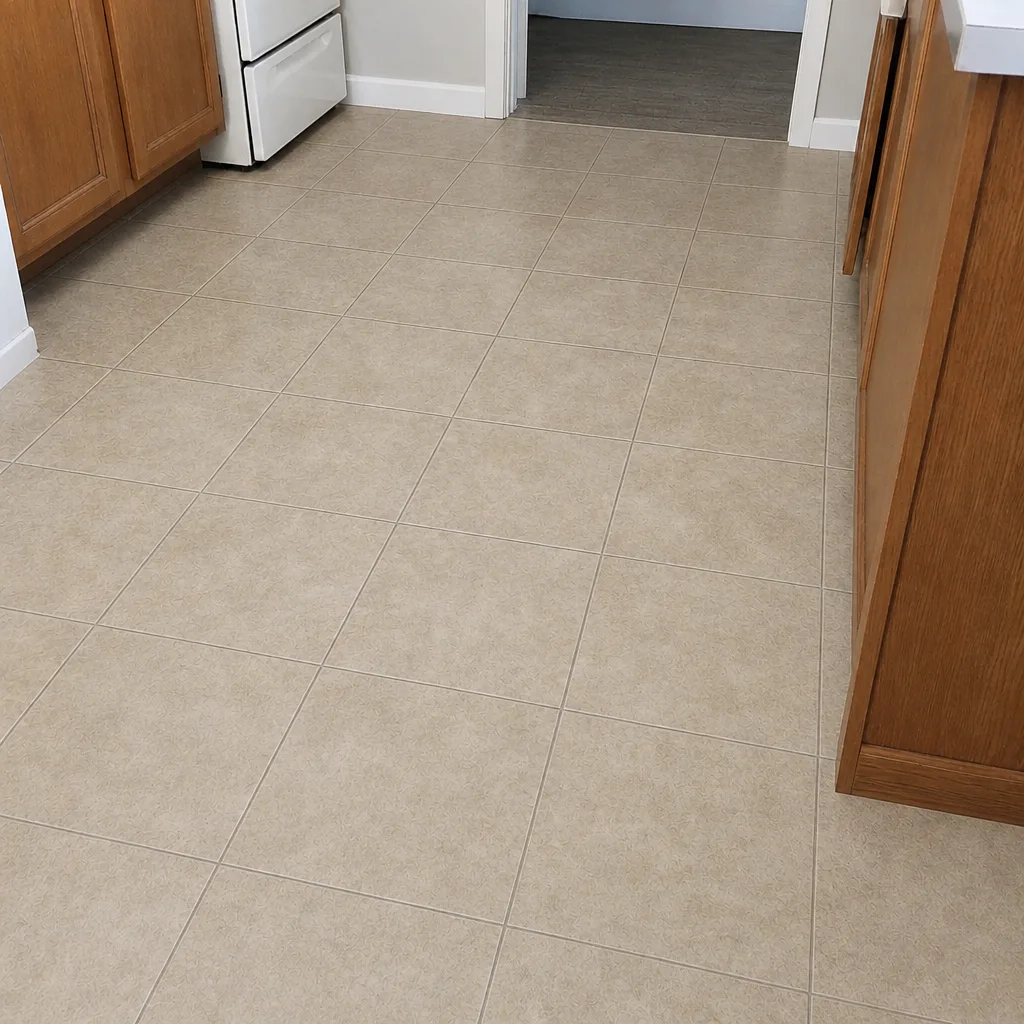
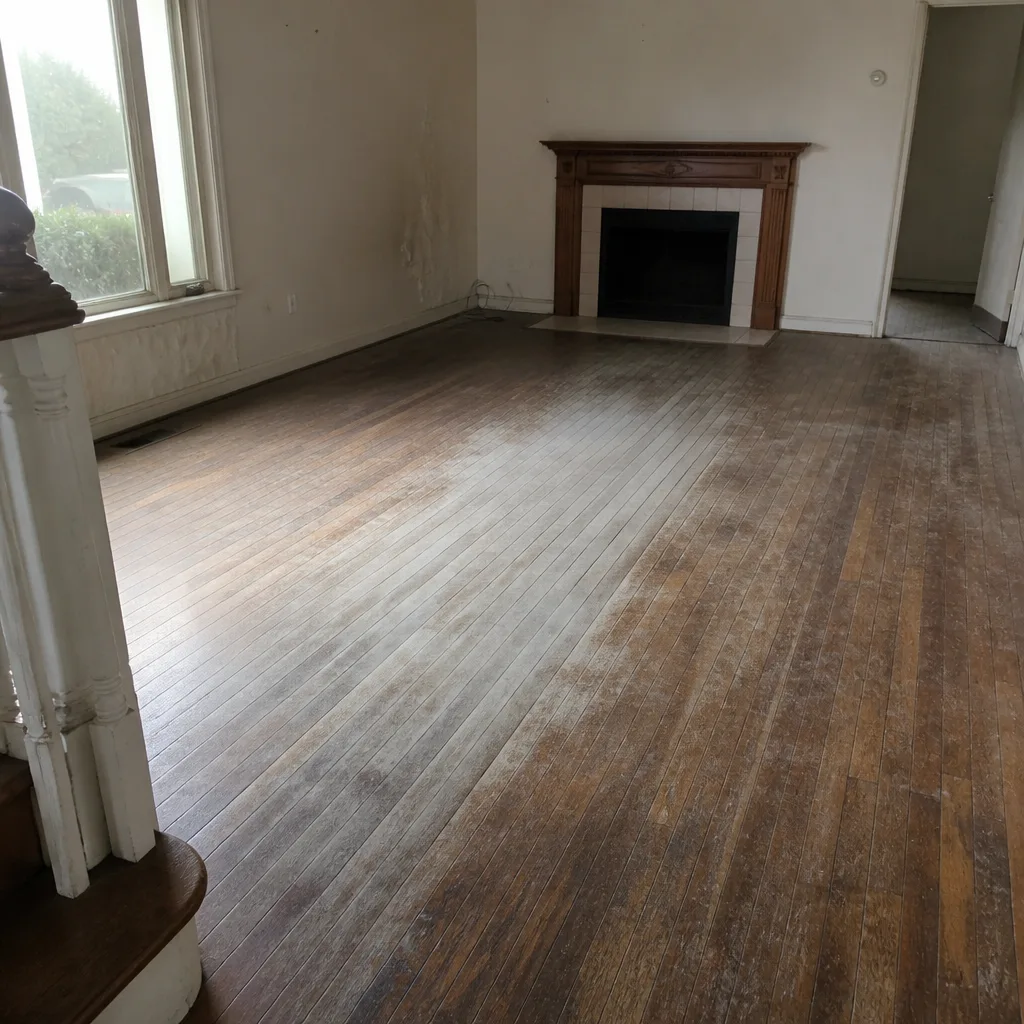
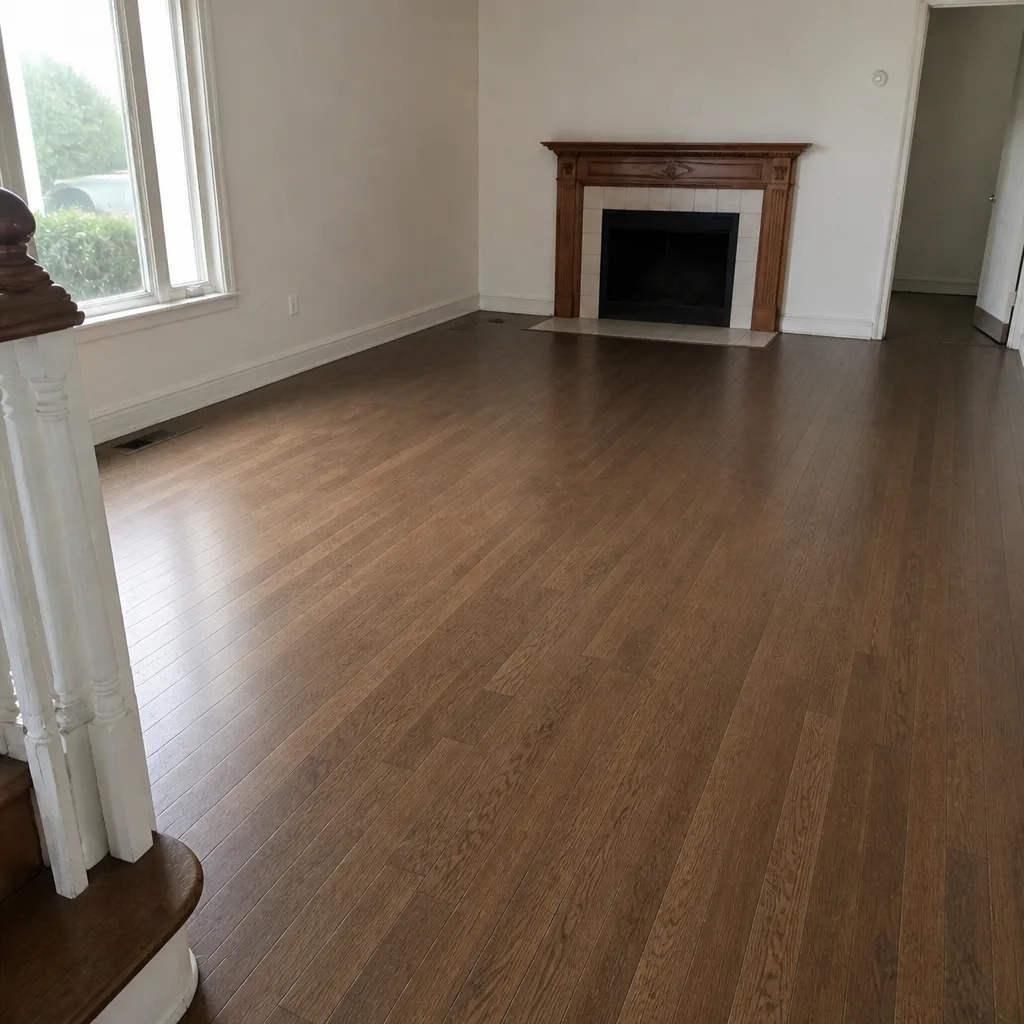
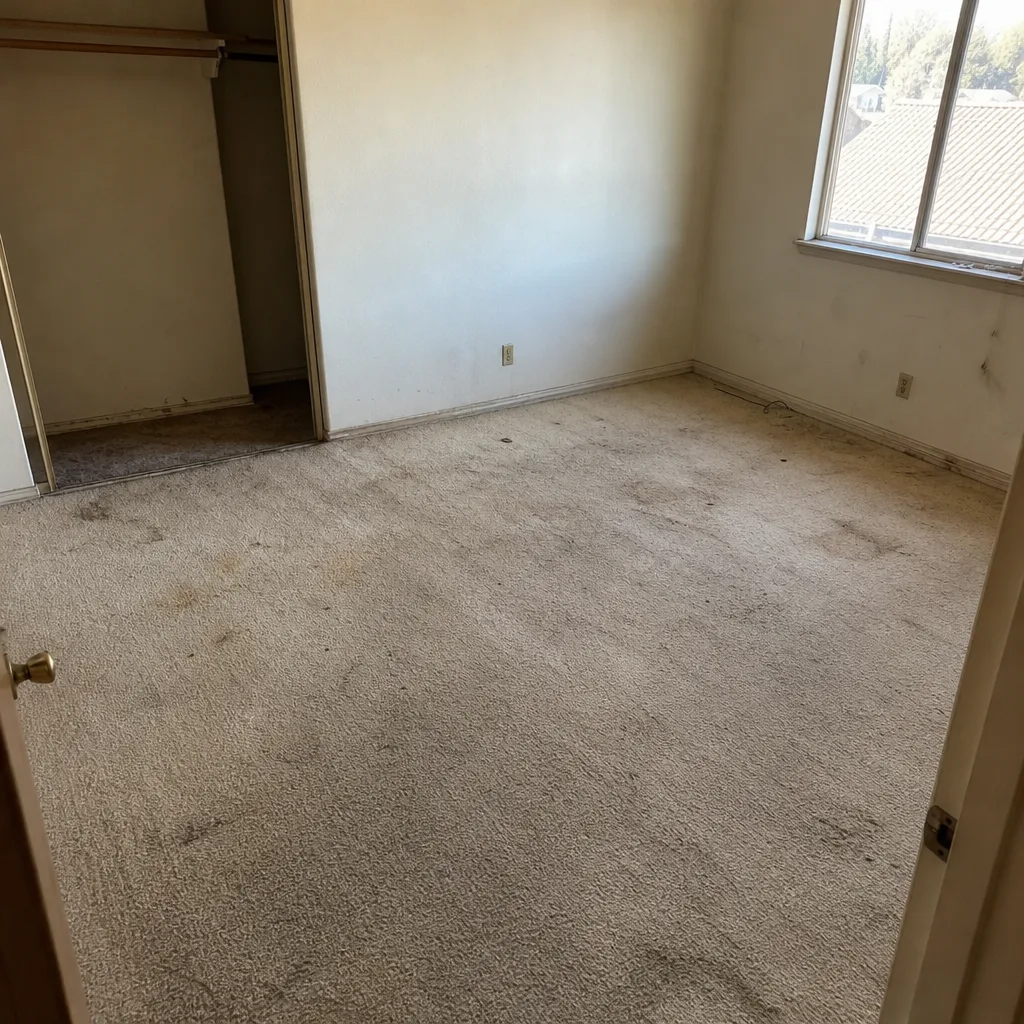
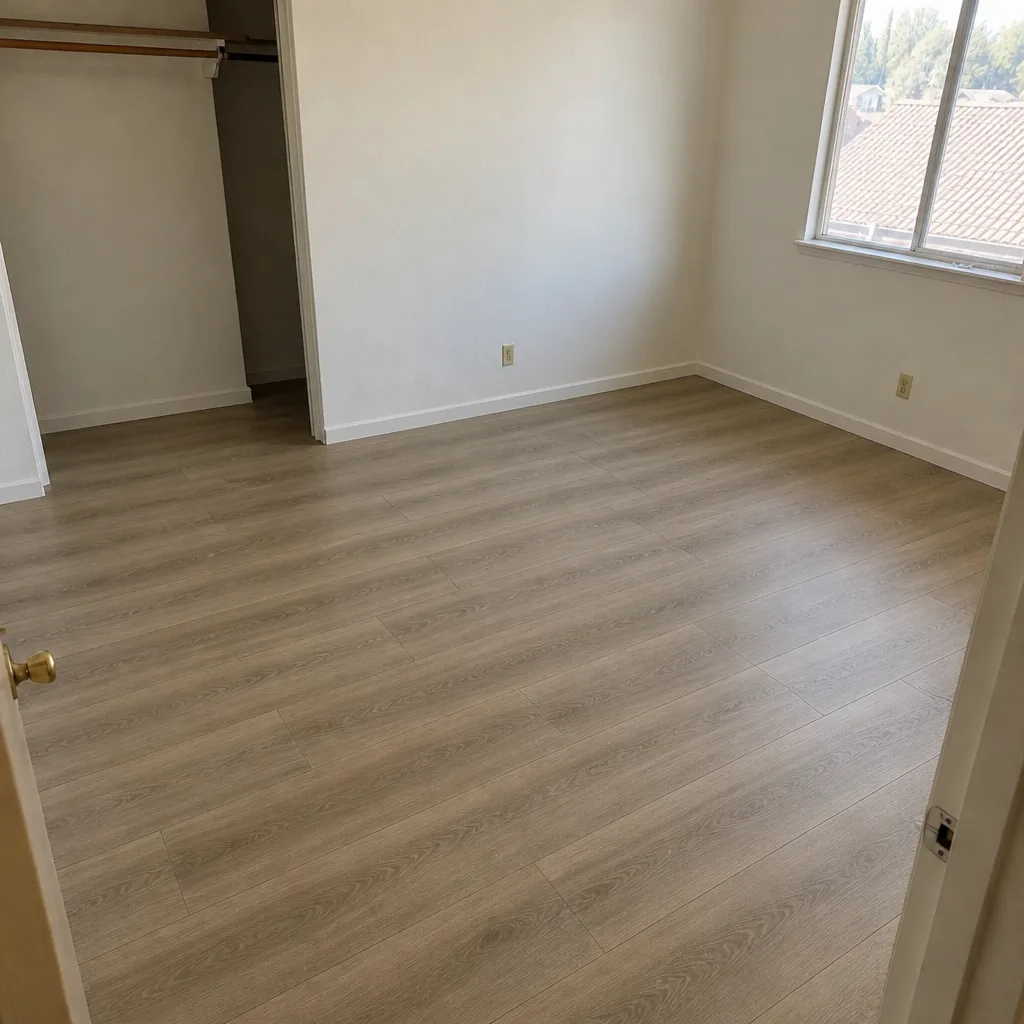
See the difference
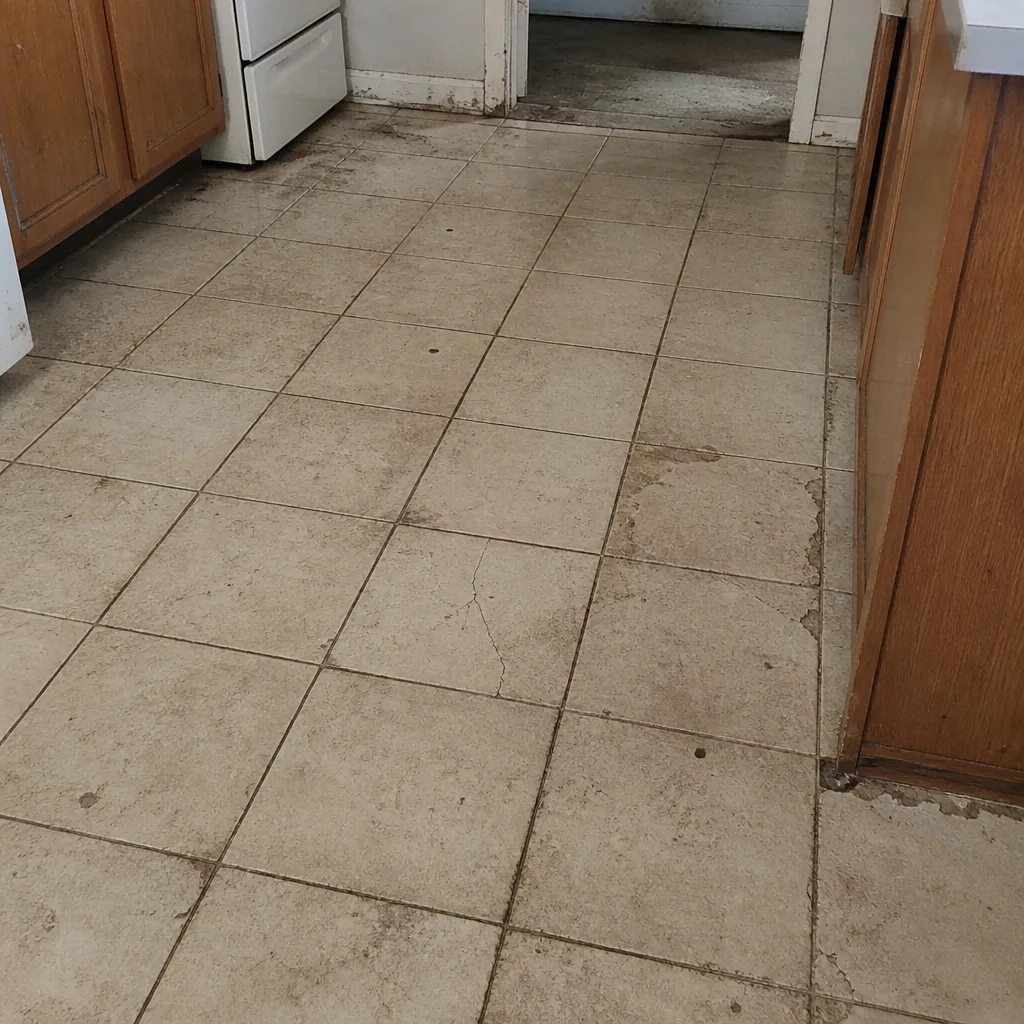 Before
 After
 Before
 After
 Before
 After
When to Call a Professional
Some decisions shouldn’t be made alone. If you’re dealing with a concrete slab and don’t know its moisture history, if the floors between rooms sit at different heights, if the existing floor is hardwood and you’re not sure whether it can be refinished, or if the product you’ve chosen carries installation instructions you need a specialist to honor to keep the warranty intact, that’s when a dedicated installer earns their keep. Our technicians have up to 9 years of experience across carpet, tile, and hardwood refinishing, and we work with the brands many homeowners have already researched, including Shaw, Daltile, and Karndean.
Henderson Flooring Installation offers free estimates in Henderson. Call (844) 460-4481. We answer 24/7. Fast dispatch from 7am to 7pm, Sunday through Friday.
Frequently Asked Questions
Yes, in most cases. Residential flooring installation is generally performed under a Nevada State Contractors Board C-16 classification, and the license number should appear on the contract and any permits. Verify the license yourself on the Board’s website before signing. If a contractor can’t produce a verifiable license number, don’t proceed. Call (844) 460-4481 to schedule a free estimate with our team.
The manufacturer’s warranty covers the product against defects in materials. The installer’s labor warranty covers the installation work itself. Both matter, but they cover different things, and a claim goes to whichever one applies. Get both in writing, and ask what voids each. Call (844) 460-4481 for an exact quote on your project – estimates are free.
It depends on square footage, product type, and prep conditions. Carpet generally installs fastest. Tile is the slowest because of setting and grout cure time. Hardwood and refinishing depend on the material and finish system. Ask for a range with the assumptions attached, and ask specifically when the room can take normal foot traffic. Call (844) 460-4481 to get a realistic range for your home.
The installer is usually responsible for prep, but confirm it in writing, because it’s commonly excluded from base estimates. Older Henderson homes and properties on desert slabs can have conditions that change the scope. Ask what flatness and moisture standards the crew will measure against, and what happens if the floor fails those standards. Call (844) 460-4481 – we’ll walk through it at the free estimate.
Yes. A dedicated flooring installer can often handle all three, which keeps the project under one scope and one warranty. It also means transitions between materials get planned together rather than by two separate contractors. Ask whether the company handles all the flooring types in your scope, or just one. Call (844) 460-4481 to find out what our team can cover.
Yes. Estimates are free, and the price is set per job by the written estimate. Ask for the estimate in writing with line items, so you know what’s included and what isn’t. Call (844) 460-4481 to schedule yours. We answer 24/7. Fast dispatch from 7am to 7pm, Sunday through Friday.
The Bottom Line
Specificity is the whole game. The license number, the product SKU, the prep allowance, the flatness and moisture standards, the labor warranty terms, the change order process: each one is a decision you can make before the work starts or one you’ll end up making after. Ask the questions, get the answers in writing, and hold onto the paperwork. If you’re looking for an installer in Henderson who’s used to these questions and answers them without hedging, call us. Henderson Flooring Installation offers free estimates on carpet, tile, and hardwood refinishing across the valley. Call (844) 460-4481. We answer 24/7. Fast dispatch from 7am to 7pm, Sunday through Friday.
Written by the team at Henderson Flooring Installation.