
Last updated November 17, 2026
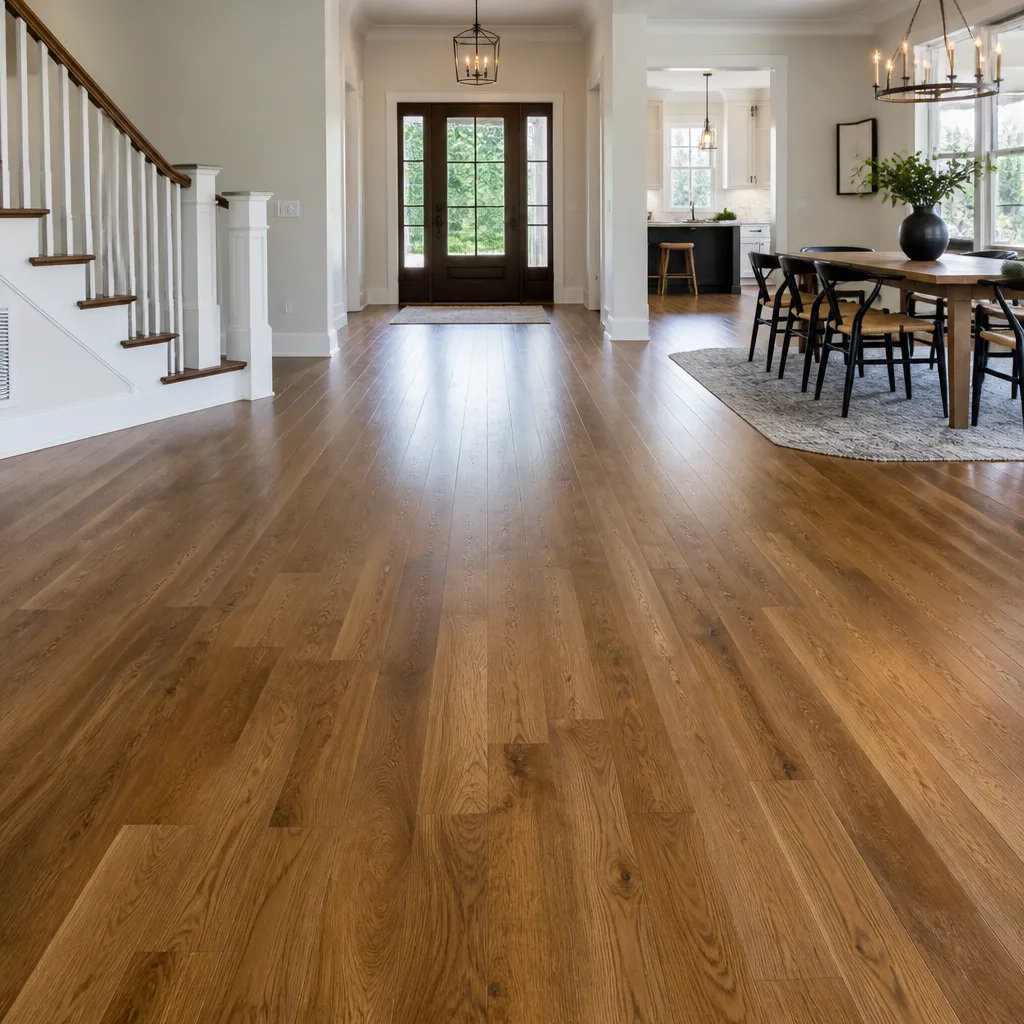 Hardwood
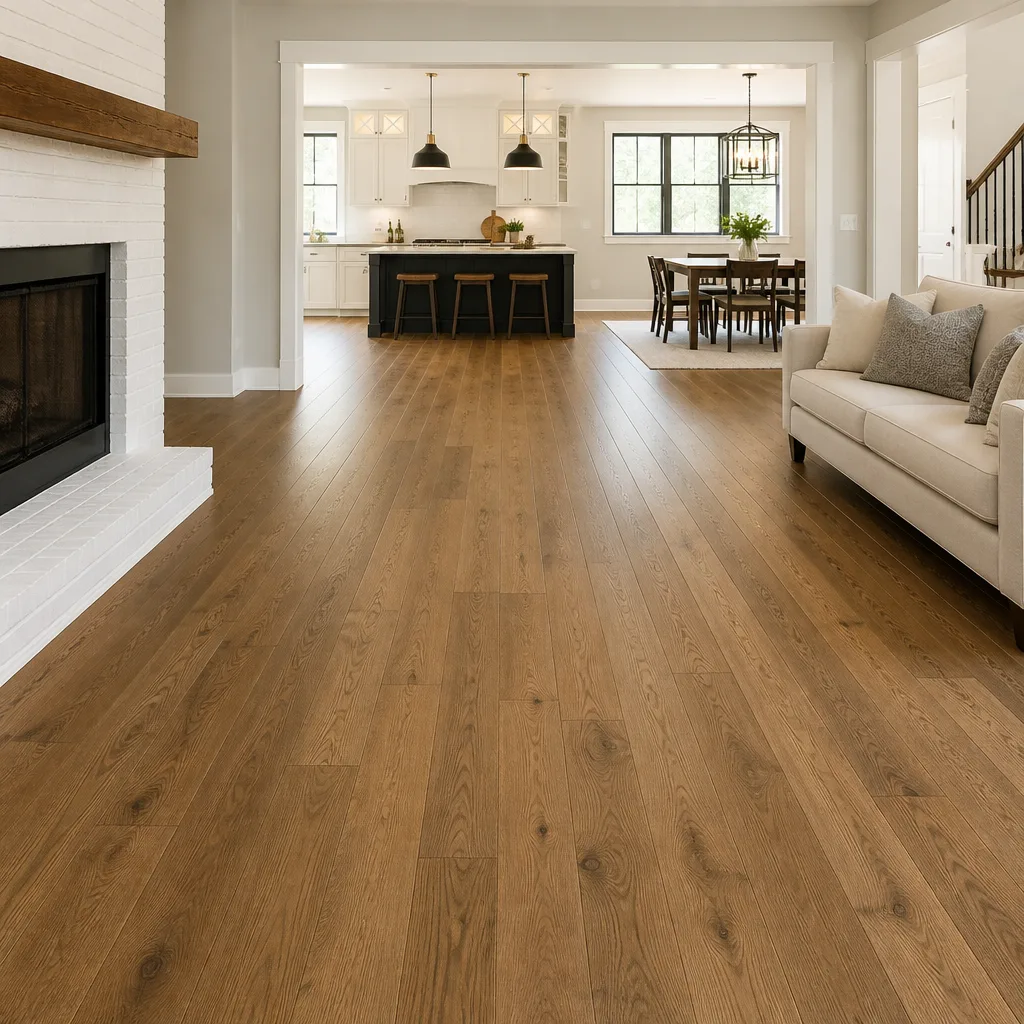 Engineered hardwood
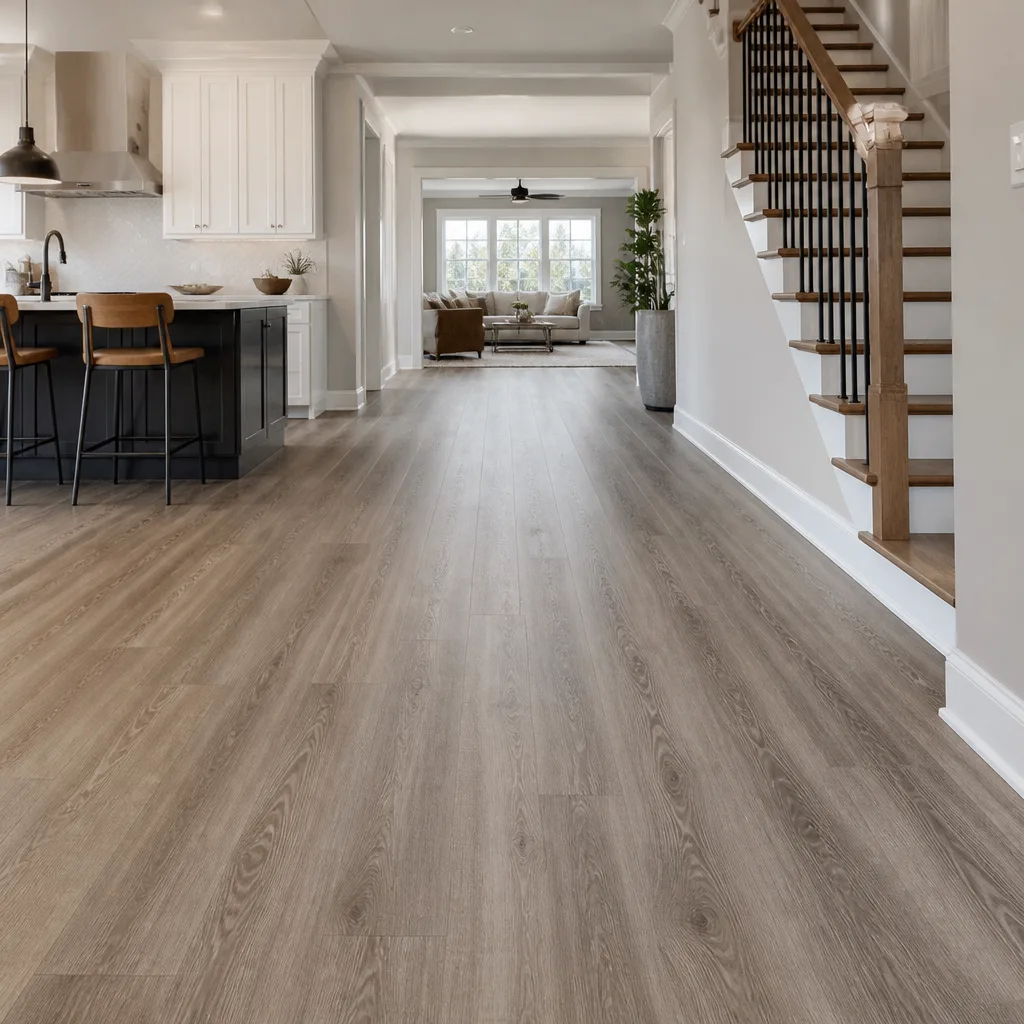 Luxury vinyl plank
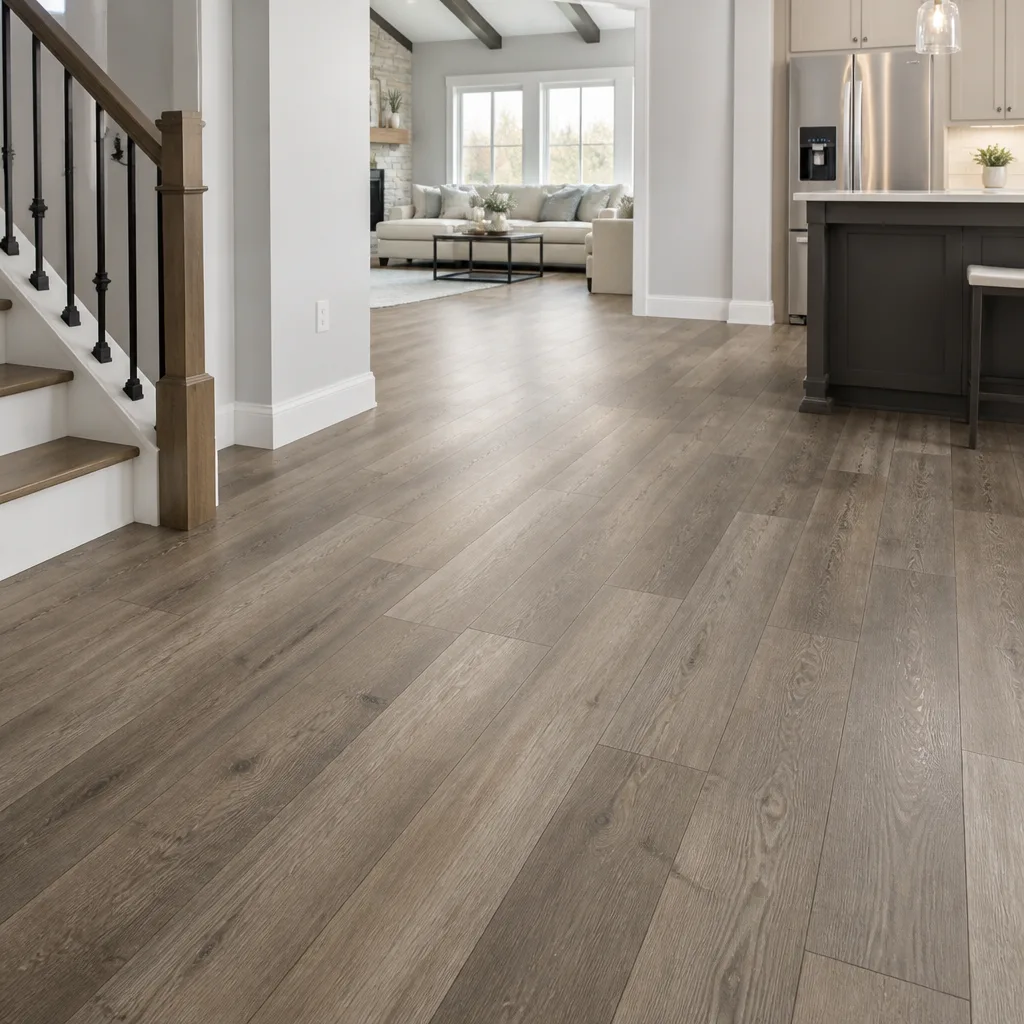 Laminate
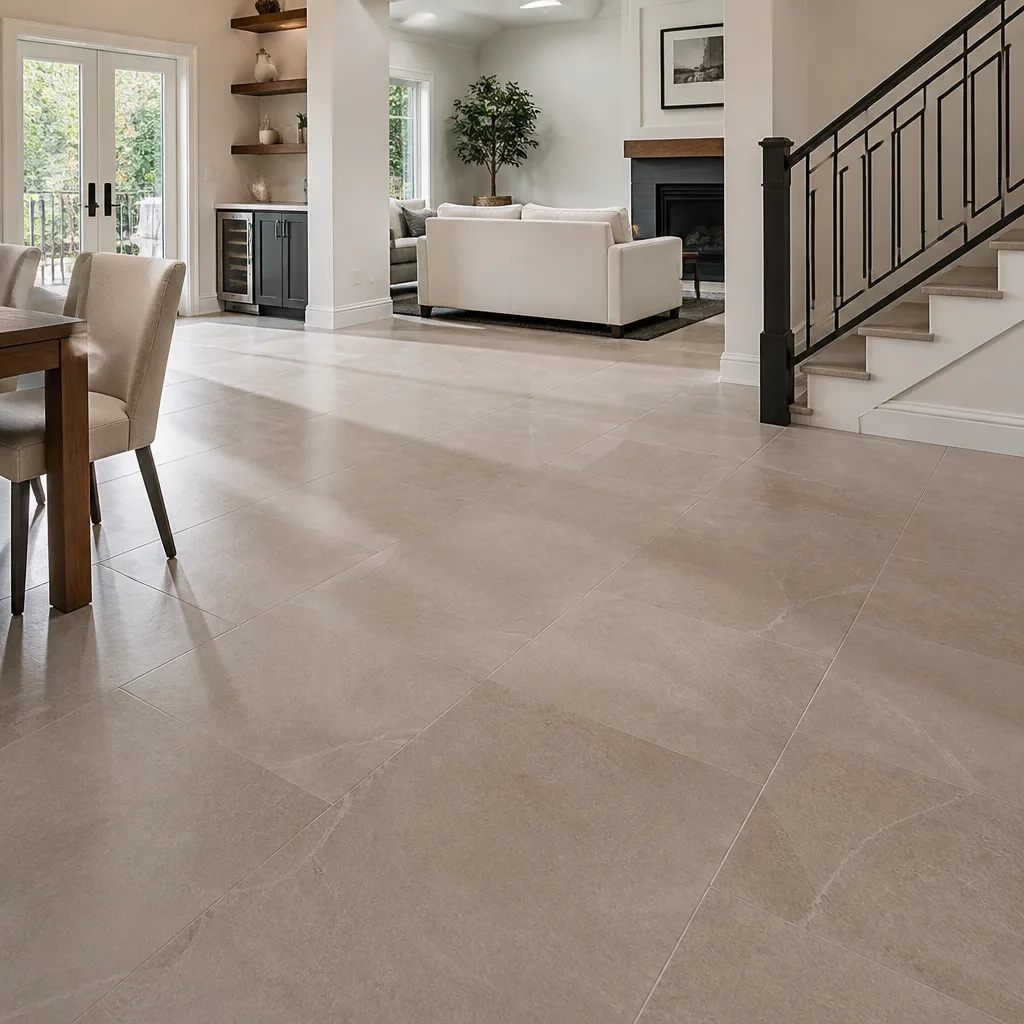 Porcelain tile
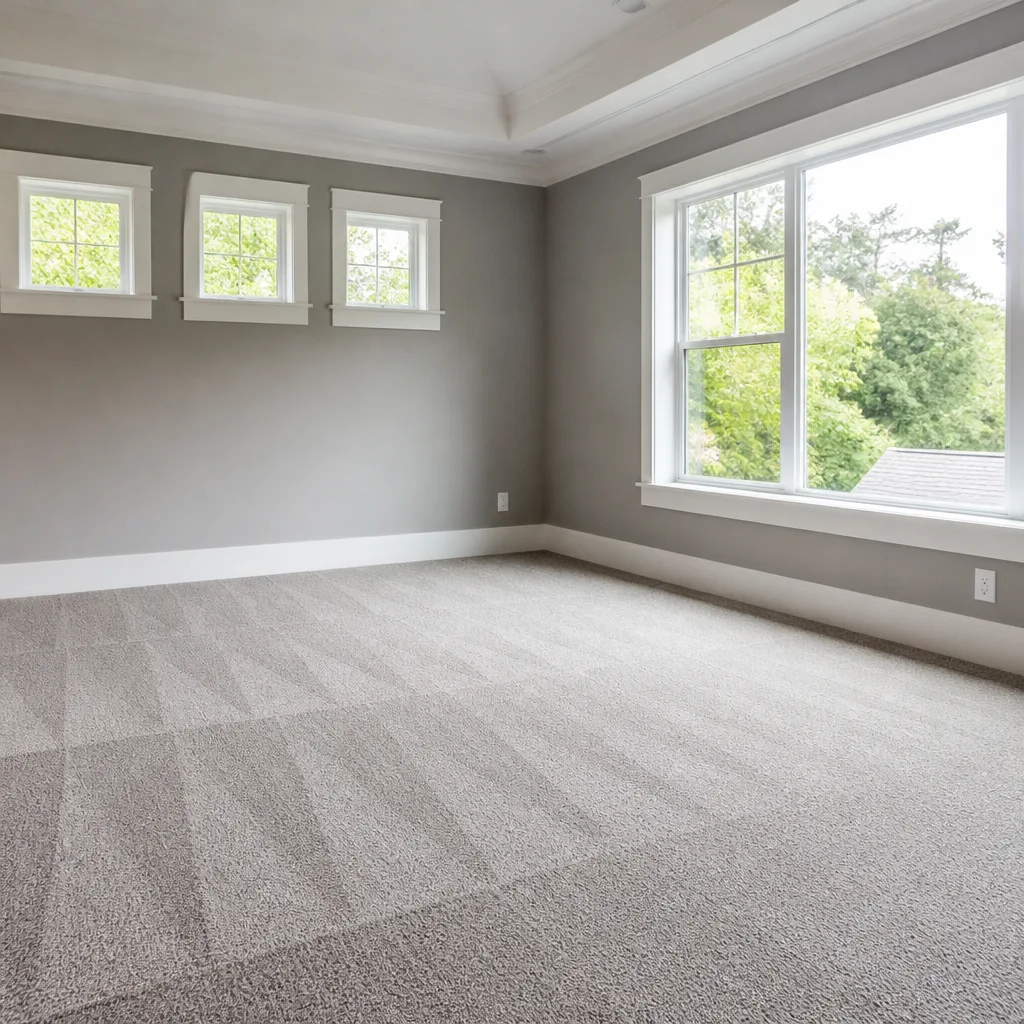 Carpet
 Shaw
 Mohawk
 COREtec
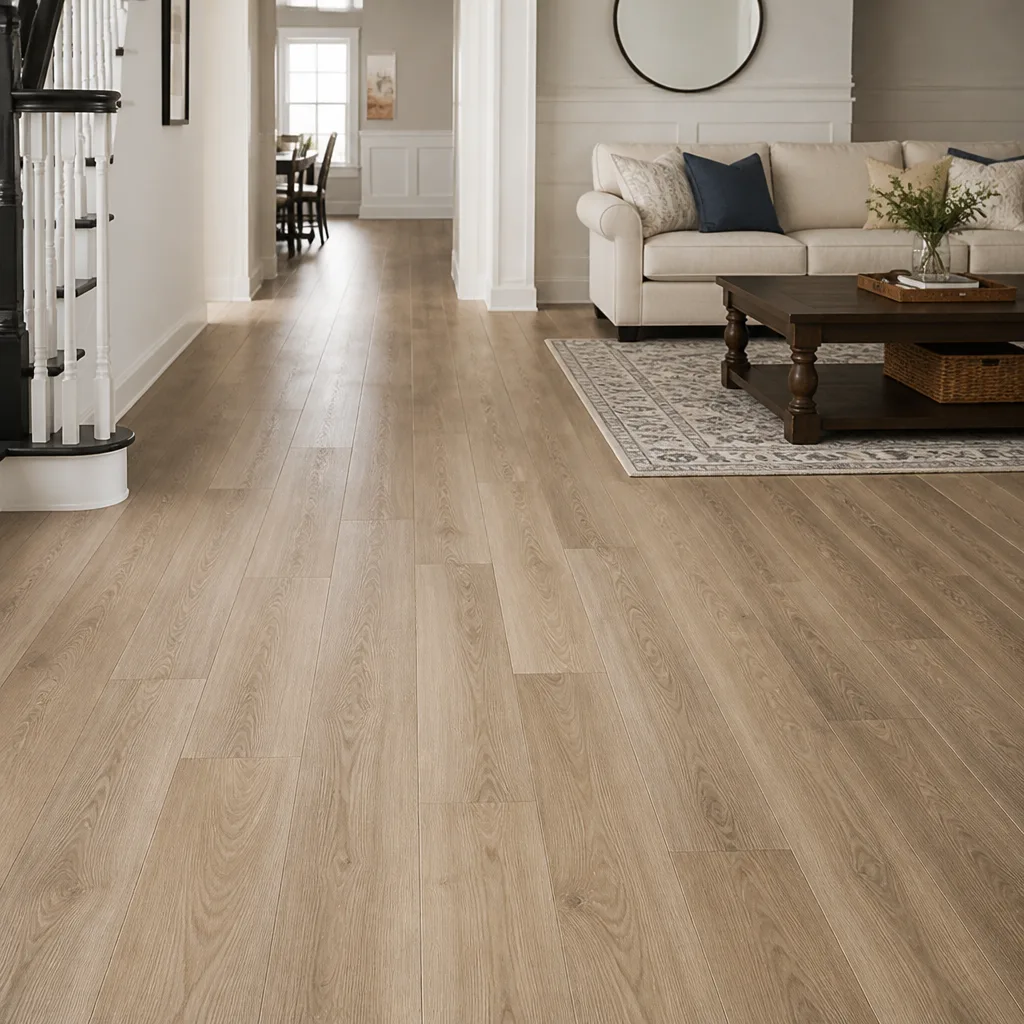 Pergo
Free in-home measure and written estimate: Shaw, Mohawk, COREtec and Pergo lines compared on your own rooms, with carpet, tile, vinyl plank, laminate and hardwood laid out side by side
Get your free estimateHow Henderson’s Climate Can Affect Your Flooring Choice
Henderson gets less than four inches of rain a year, so it surprises people to hear that moisture is still the number one reason floors fail here. The moisture just doesn’t come from the sky. It comes up through the slab, and desert heat pushes it in ways that flooring sold for “dry climates” rarely accounts for. Add the swing between a Henderson summer and a winter night, plus rooms that bake against a south wall or share a wall with the garage, and you have a set of conditions that decide whether a floor looks right for five years or twenty-five. This guide covers what actually happens inside a Henderson house, which products handle it, and what to ask before you buy.
Quick Answer
The best flooring for the Henderson climate is a floor matched to slab moisture, indoor humidity, and the room it sits in, not one chosen by look alone. In practice that usually means water-resistant rigid-core plank like COREtec or LifeProof over a properly tested slab, tile from Daltile in hot rooms and entries, and engineered or carefully acclimated wood where the homeowner wants real hardwood. Solid hardwood, laminate, and any floor glued or nailed over a slab that hasn’t been tested are where Henderson floors go wrong.
Styles & brands we work with
- Hardwood
- Engineered hardwood
- Luxury vinyl plank
- Laminate
- Porcelain tile
- Carpet
- Shaw
- Mohawk
- COREtec
- Pergo
Table of Contents
- Why moisture is still the top cause of floor failure in a desert
- How slab moisture vapor behaves under desert heat
- The temperature swing and what it does to wood and laminate
- Low humidity, gapping, and how acclimation actually works here
- Products built for high-heat, low-humidity slab installs
- The two Henderson microclimates most homes have
- Room-by-room flooring choices for Henderson homes
- Common mistakes to avoid
Why Moisture Is Still the Top Cause of Floor Failure in a Desert
Rain is not the problem in Henderson. The ground under the house is. Most Henderson homes sit on slab-on-grade construction, which means the concrete floor you walk on is poured directly onto the soil, with no crawlspace or basement between them. Concrete is porous. Vapor from the soil moves slowly upward through the slab and into the house year-round, and the floor covering you install on top of it is the first thing that vapor meets.
That vapor doesn’t announce itself. It shows up later as cupped hardwood edges, a laminate seam that lifts, a plank that sounds hollow when you walk on it, or adhesive that lets go under tile. In our experience, homeowners who moved from a wetter part of the country assume the dry air means they can skip moisture testing. The opposite is true. A desert slab can carry as much vapor as a slab anywhere else, and sometimes more, because the soil beneath it stays warm and the house above it stays air-conditioned.
The other moisture source in Henderson is the one people forget: the house itself. Evaporative coolers, a leaking supply line behind a wall, a washing machine connection, or an irrigation line that runs close to the foundation all add water that has nowhere to evaporate quickly in low humidity. It soaks into the slab and moves up. A flooring specialist checks for all of it before quoting an install, not just the sky.
How Slab Moisture Vapor Behaves Under Desert Heat
Moisture vapor transmission is the rate at which water vapor moves through a concrete slab. It’s measured at the estimate visit with a test kit, and the reading decides what can go down and what can’t. Desert heat changes how that vapor behaves in two ways that matter for flooring.
First, the temperature difference between the soil and the conditioned house acts like a slow pump. Warm ground, cool interior air, and vapor moves toward the cooler side, which is up, into your floor. Second, the dry air above the floor pulls that vapor out of the slab surface, so the top of the concrete can read dry on a quick touch test while vapor is still moving through it. That’s why a moisture test, not the back of a hand, is what the estimate should be based on.
This is where certain products get sold into Henderson homes and fail. Glue-down solid hardwood and many laminate floors have little tolerance for vapor coming from below. So does any plank installed over a slab that hasn’t been tested. Rigid-core vinyl plank, tile set on an appropriate membrane, and engineered wood with a stable core handle slab vapor far better, but the slab still has to be within the range the product instructions allow. Your written estimate should name the test, the reading, and the product that fits it. If it doesn’t, ask why.
For more on how we approach the full picture, see Henderson, where we lay out the area and the kinds of homes we work in.
The Temperature Swing and What It Does to Wood and Laminate
Henderson summers are brutal and winter nights are cold. That gap is the reason wood and laminate floors in this city move more than homeowners expect. Wood is a living material. It expands when it takes on moisture and contracts when it gives it up, and temperature changes drive that cycle just as much as humidity does.
A floor installed in a cool spring can sit tight all year and then show a hairline gap at every seam the following January. Nothing is wrong with the floor. It has simply done what wood does when the air around it changes. The problem is when the movement has nowhere to go because the installer left no expansion gap at the wall, or when a floating floor is pinned under baseboard so it can’t shift.
Here’s what that looks like in practice in a Henderson home:
- The floor is measured and laid out with the room’s longest run in mind.
- Expansion space is left at every wall and every fixed object, including door frames and cabinet bases.
- Baseboard and trim are set so the floor can move underneath them.
- Transition strips at doorways allow movement between rooms.
- The homeowner is told what indoor temperature and humidity range the floor was installed for, and what to do when the season changes.
That last step is the one most installers skip. In Henderson, keeping indoor humidity in a steady range through summer and winter is the single best thing a homeowner can do to keep a wood or laminate floor from gapping and cupping. It’s also the thing that rarely happens in a house where the thermostat swings 30 degrees between July and January. Ask your installer what range your product was specified for and how to hold it.
Low Humidity, Gapping, and How Acclimation Actually Works Here
Acclimation is the process of letting a flooring product sit in the home long enough to adjust to the indoor conditions before it’s installed. Every box of wood, laminate, or rigid-core plank comes with a suggested acclimation time. In Henderson, that packaging number is a starting point, not the answer.
Why? Because the packaging assumes an average indoor environment. A Henderson house in August with the air conditioning running and a house in a humid climate are not the same space. Solid hardwood in particular can gap badly in low ambient humidity, and the fix isn’t to soak the house. It’s to measure the actual moisture content of the wood against the actual conditions in the room, then let it sit until the two agree.
What a careful Henderson installer does instead of following the box:
- Tests the slab for moisture vapor before anything else is unloaded.
- Measures the moisture content of the wood or plank sample and compares it to what the home’s conditions will support.
- Brings the product into the home and stacks it with air gaps so all sides adjust evenly.
- Rechecks moisture content before the first board goes down.
- Confirms the home’s HVAC is running and the indoor conditions are close to normal living conditions, not a construction site with the windows open.
If a contractor tells you acclimation isn’t needed in a desert because “it’s dry here,” that’s a red flag. Dry air is exactly what pulls moisture out of wood and causes the gapping. The right acclimation protocol in Henderson is driven by measurement, not by the number printed on the carton.
Products Built for High-Heat, Low-Humidity Slab Installs
The good news is that the brands we install have spent years engineering products for exactly the conditions Henderson homes create. We don’t sell product from a showroom floor, but we install what the homeowner has already chosen, and we’ll tell you honestly which lines we’ve seen hold up best over a desert slab.
Rigid-core vinyl plank. COREtec and LifeProof are both built with a rigid core that resists the dimensional movement that wrecks softer vinyl and laminate over a warm slab. They’re water-resistant and stable, which makes them a strong fit for kitchens, laundry rooms, and any room over concrete in Henderson. Standing water is still a problem, and moisture from below still has to be dealt with, so the slab test comes first regardless of the product.
Tile. Daltile covers a huge range, and tile is the most forgiving floor you can put in a Henderson home when it’s set correctly. Tile doesn’t care much about humidity. It does care about the slab and the setting bed, so a membrane and a proper thin-set matter more than the tile itself. For entries, bathrooms, and rooms that bake in afternoon sun, tile is often the right answer.
Wood and engineered wood. Shaw and Mohawk both make engineered products that handle a slab better than solid wood, and for homeowners who want the real thing in a Henderson home, engineered is usually the smarter choice. Solid hardwood can work, but it depends on the thickness of the wood, the room, and the moisture readings. That’s a conversation for the estimate visit, not a decision made online.
Hardwood refinishing is a separate service worth mentioning here. If you already have real wood in a Henderson home and it looks tired, refinishing can bring it back to its original finish without ripping it out. Not every floor can be refinished, and a stain match to a sample isn’t guaranteed. The thickness and condition of the wood are checked at the estimate.
For the full picture of what we install, start with Henderson Flooring Installation.
The Two Henderson Microclimates Most Homes Have
Most flooring advice treats a house as one environment. In Henderson, it isn’t. Two rooms in a typical home see very different conditions than the rest of the house, and they usually need different product specifications.
Garage-adjacent rooms
The wall a room shares with an unconditioned garage is a different thermal environment. In summer that wall gets hot. In winter it gets cold. A room on the other side of it can swing far more than the rest of the house, and a floor installed there has to handle that range. It’s also where vapor from the garage slab tends to migrate. For laundry rooms, mud rooms, and bonus rooms that share a garage wall, we lean toward rigid-core plank or tile rather than wood. The floor has to tolerate a wider band of temperature and moisture than a bedroom down the hall.
South-facing sunrooms and additions
A south-facing sunroom or a converted patio in Henderson gets direct sun for most of the afternoon in summer. The floor surface temperature in those rooms climbs well beyond the air temperature, and the room swings hard between afternoon and night. Wood and laminate in those spaces move more than anywhere else in the house. Tile is the most stable choice. If the homeowner wants plank, a rigid-core product holds up better than laminate, and window coverings matter more than most people think.
When we quote an install in a Henderson home, these two rooms get their own conversation. It’s not an upsell. It’s that specifying the same floor everywhere in a house with a hot sunroom and a cold garage wall is how floors fail early.
Room-by-Room Flooring Choices for Henderson Homes
Here’s how the three flooring disciplines we work in, carpet, tile, and hardwood, line up against the rooms in a typical Henderson house.
- Bedrooms and closets: Carpet is still the right answer for most bedrooms. It holds up in low humidity, it’s warm underfoot, and it doesn’t care about a slab. We install Shaw and Mohawk carpet to the homeowner’s choice.
- Living and dining rooms: Rigid-core plank from COREtec or LifeProof is the most common choice in Henderson homes, and it handles a slab well when the slab tests out. Engineered wood is the pick for homeowners who want a real wood surface.
- Kitchens and laundry rooms: Tile or rigid-core plank. Both resist the spills and moisture these rooms see. See tile flooring installation for how tile is set over a slab.
- Bathrooms: Tile, set on a membrane, is the standard. Small amounts of water are normal in any bathroom, and tile handles them better than any other floor.
- Entries and hallways: Tile or a hard-wearing plank. These are the highest-traffic areas in the house, and they’re often the first place a desert floor starts to show wear.
- Garage-adjacent and south-facing rooms: Rigid-core plank or tile, as covered above. Get a separate spec for these rooms.
Because we work across carpet, tile, and hardwood refinishing, a Henderson home doesn’t need a different contractor for each floor. One installer can handle the whole house and keep the specs consistent from room to room. That matters more than it sounds, because the transition between two flooring types is where a lot of desert-related problems start.
Common Mistakes to Avoid
- Buying by look before the slab is tested. The moisture reading decides what can go down. Skipping the test is the single most expensive shortcut in a Henderson home, and it’s the one homeowners ask about least.
- Assuming dry air means no moisture problem. The vapor comes from under the slab, not from the sky. Henderson’s dry climate hides the problem until the floor starts to fail.
- Accepting “you don’t need acclimation here” from a contractor. Low humidity causes wood to gap. Acclimation is measured, not skipped.
- Installing the same product in a south-facing sunroom as in a bedroom. The sunroom’s floor surface gets much hotter and moves more. It’s a different spec.
- Pinning a floating floor under baseboards. Wood and laminate need room to move. A tight install leads to gaps and cupping when the season changes.
- Choosing laminate or glue-down solid wood over an untested slab. Both have little tolerance for slab vapor. There are better options in the same price range.
- Ignoring indoor humidity after the install. Holding a steady indoor range between summer and winter is what keeps a Henderson wood floor from gapping. It’s the homeowner’s job after handover, and most people were never told.
See the difference
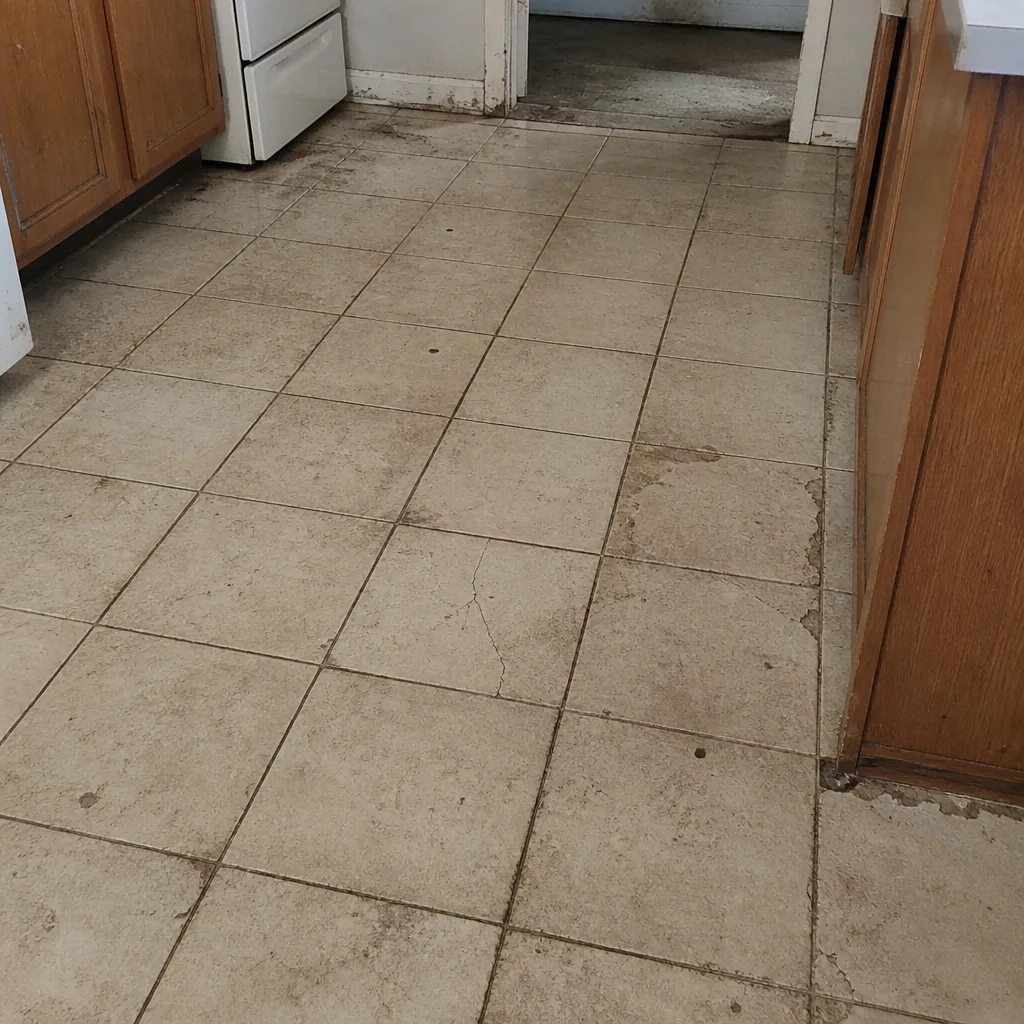 Before
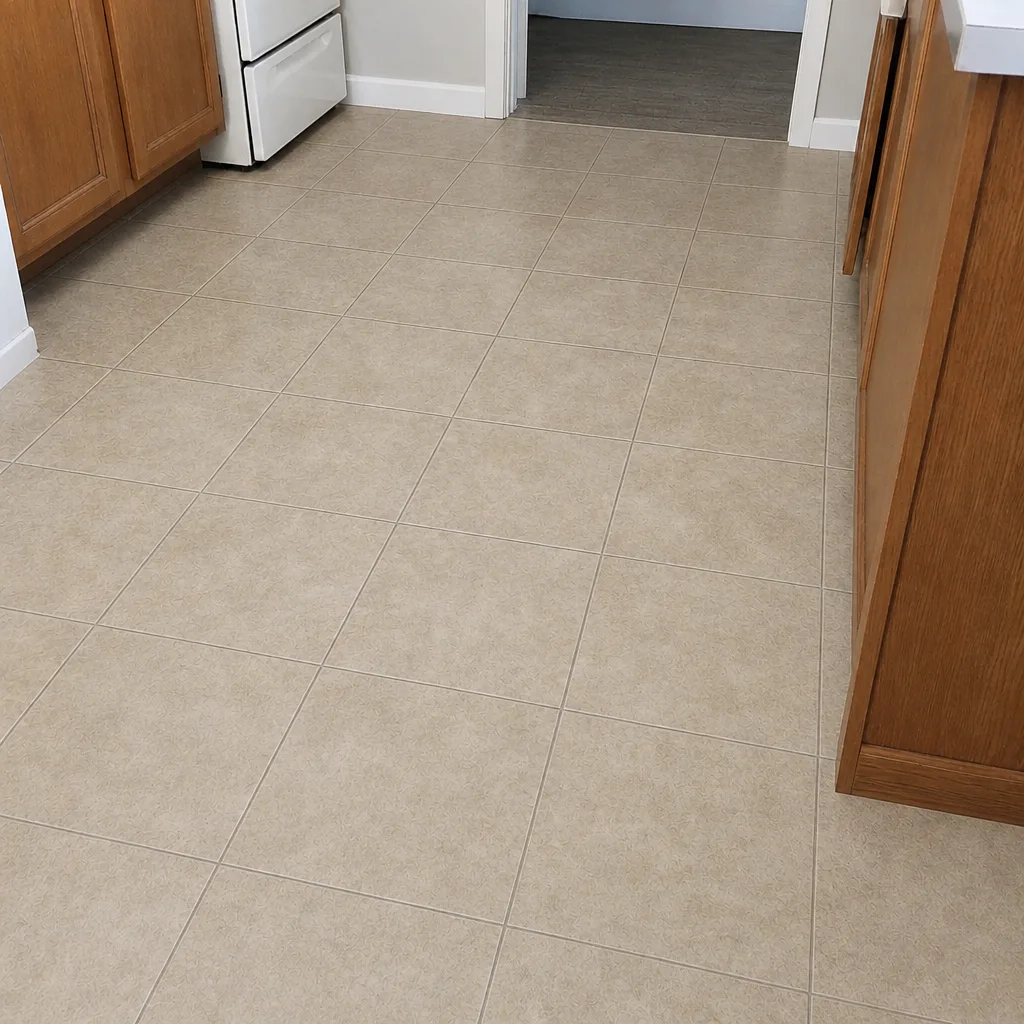 After
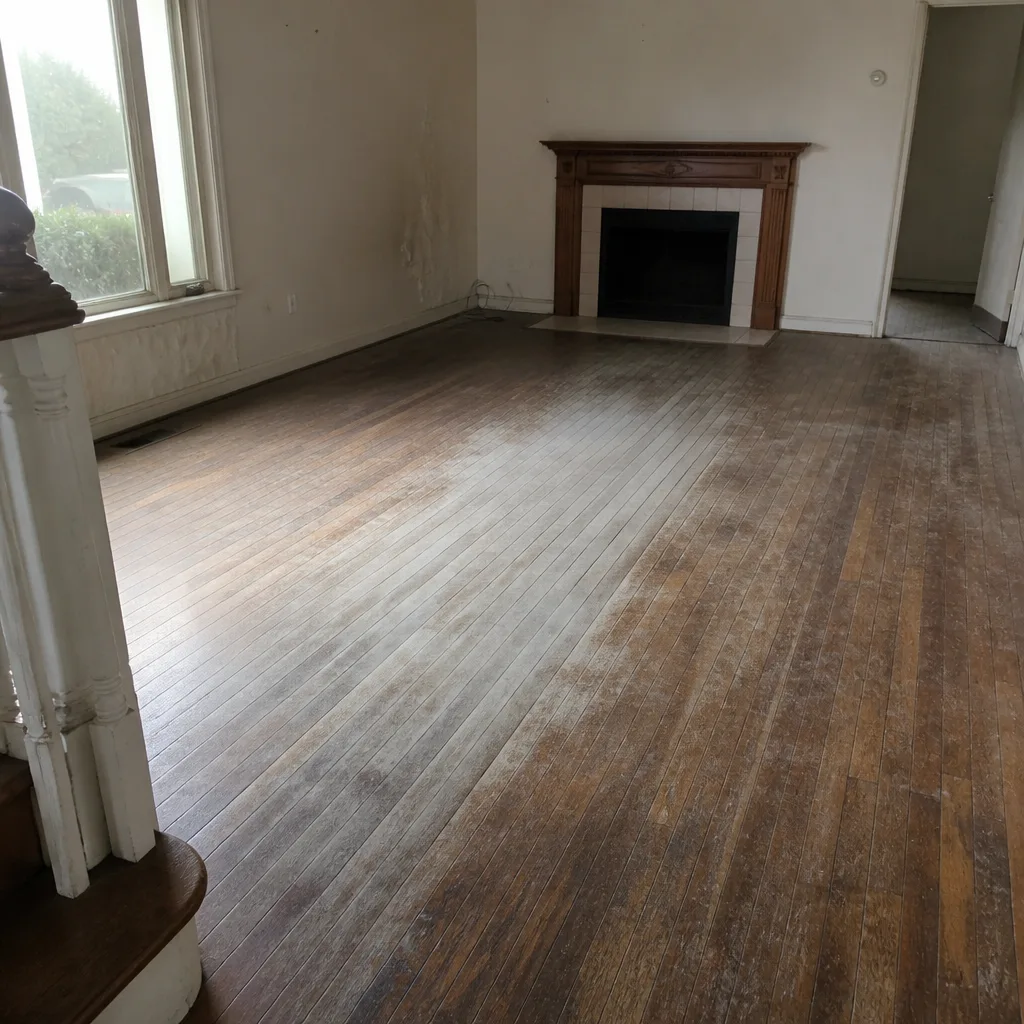 Before
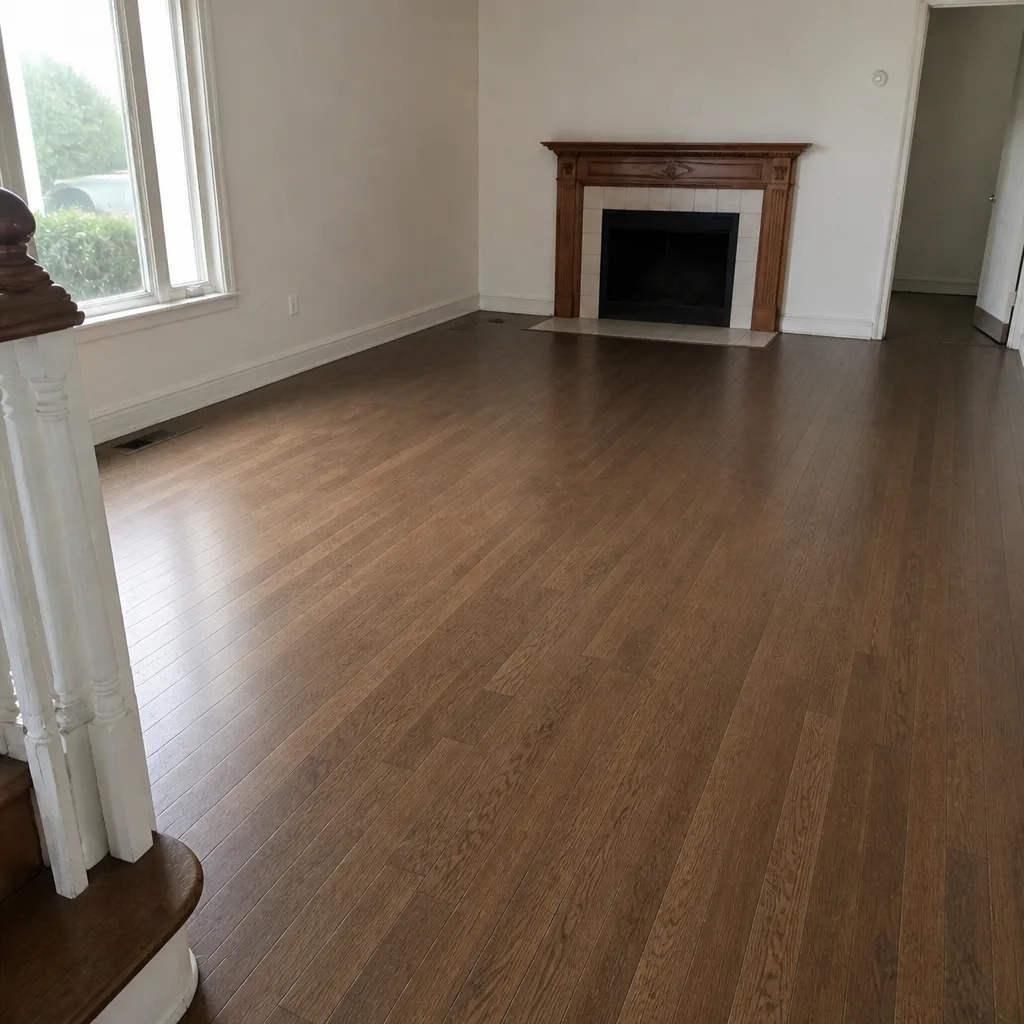 After
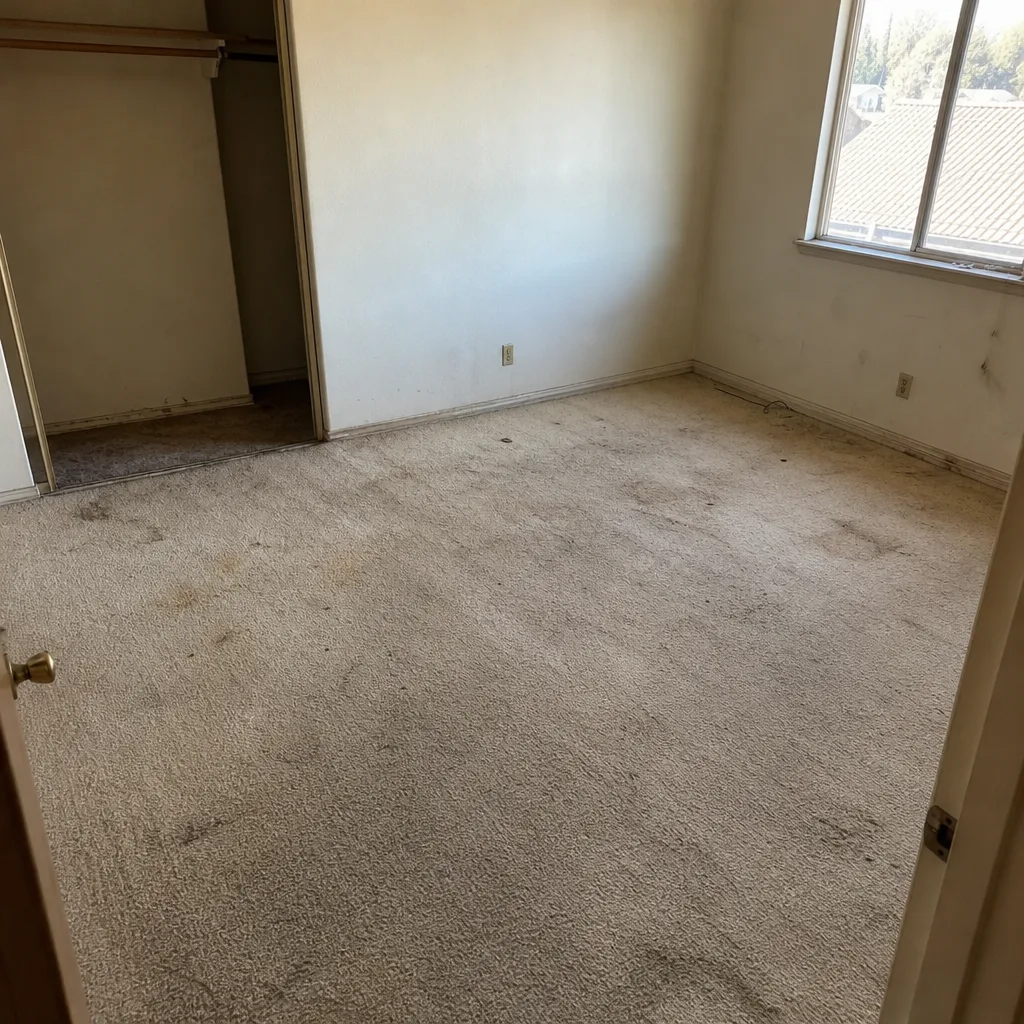 Before
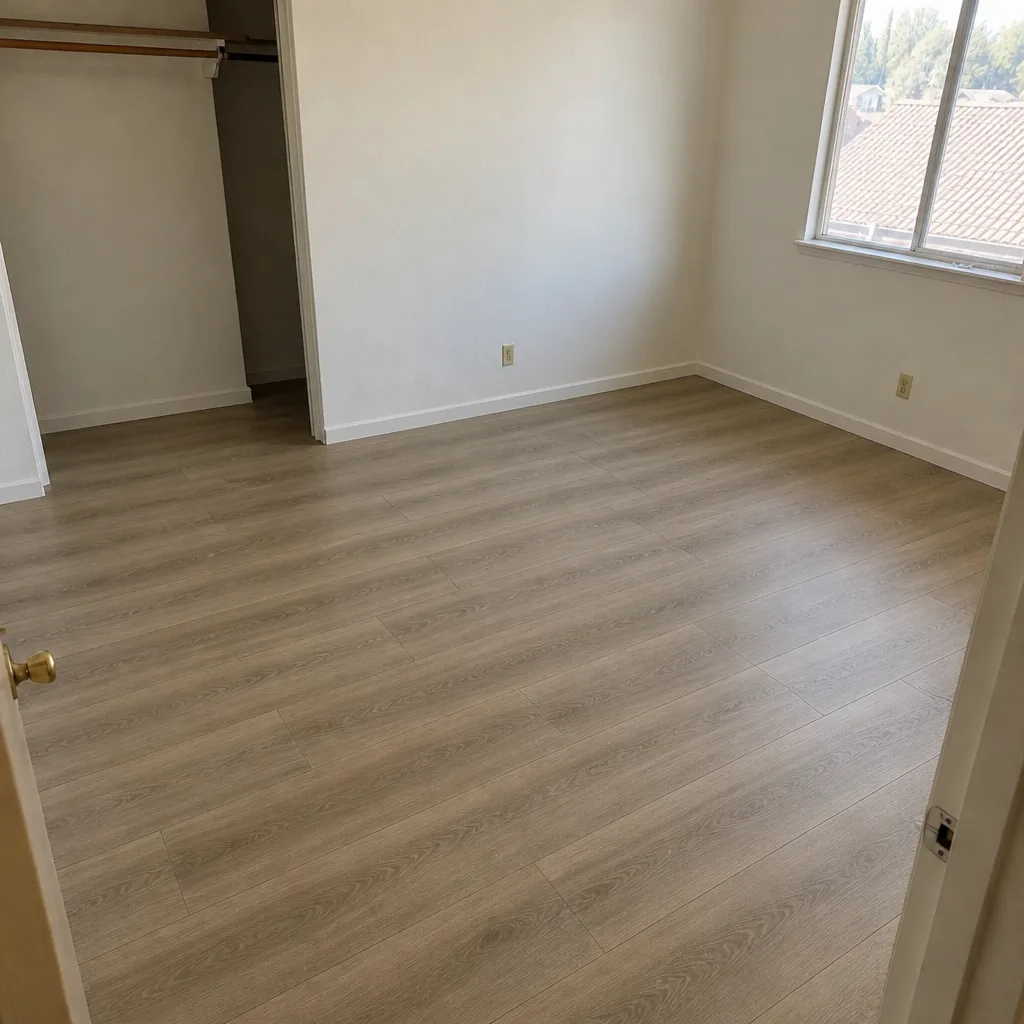 After
When to Call a Professional
Call a professional when you’re buying new flooring for a Henderson home and want it specified to the slab, the room, and the season. Call us when a wood floor is gapping, cupping, or lifting and you’re not sure whether it’s the floor or the conditions underneath. Call when you’re refinishing existing hardwood and want to know whether the wood is thick enough to refinish. Call when you’re installing tile over a slab and want the membrane and setting bed done right. Call when you’re not sure whether COREtec, LifeProof, or a Daltile tile is the right fit for a specific room, and you want someone who installs all three to tell you honestly. Carpet installation and carpet installation decisions across multiple bedrooms in one home can be handled in one visit. Henderson Flooring Installation offers free estimates in Henderson; call (844) 460-4481.
Frequently Asked Questions
For most Henderson homes, water-resistant rigid-core plank like COREtec or LifeProof in living areas, Daltile tile in hot rooms and wet rooms, and engineered wood where a real wood surface is wanted. The right choice depends on the slab moisture reading and the room, so the estimate visit settles it. Call (844) 460-4481 for a free estimate.
Yes. The moisture comes up through the concrete slab from the soil below, not from rain. Henderson’s dry air hides the problem because the top of the slab feels dry while vapor is still moving through it.
Low humidity pulls moisture out of the wood, and the wood shrinks. That’s normal movement, but gaps that show up every winter usually mean the floor wasn’t acclimated to the home’s real conditions or has no expansion room at the walls. Call (844) 460-4481 and we’ll look at it.
Sometimes, but it depends on the moisture reading, the thickness of the wood, and the room. Engineered wood and rigid-core plank handle a slab far more reliably. Solid wood needs a tested slab and a careful acclimation. We check this at the estimate.
Yes. Both are rigid-core products built to resist the dimensional movement that affects laminate and softer vinyl over a warm slab. They’re water-resistant, not waterproof, and moisture from below still has to be dealt with. Get the slab tested first.
It depends on the square footage, the product, and how much prep the slab needs. The schedule is set at the estimate, not promised on the phone. Call (844) 460-4481 for a free estimate; the written quote sets the final price and the install timeline.
The Bottom Line
Henderson’s climate creates a specific set of flooring conditions that generic “dry climate” advice misses. Moisture still comes up through the slab, temperature swings drive more movement in wood and laminate than most homeowners expect, low humidity causes gapping when acclimation is skipped, and the two microclimates in most homes, garage-adjacent rooms and south-facing sunrooms, need different specs than the rest of the house. Get the slab tested, get the acclimation measured, and pick the product for the room. The floor you choose matters. The way it’s installed is what decides whether it lasts.
Henderson Flooring Installation handles carpet, tile, and hardwood refinishing across Henderson homes, installing products from Shaw, Mohawk, COREtec, Pergo, LifeProof, Mannington, Armstrong, Daltile, and Karndean. Call (844) 460-4481 for a free estimate. We answer 24/7. Fast dispatch from 7am to 7pm, Sunday through Friday.
Written by the team at Henderson Flooring Installation.